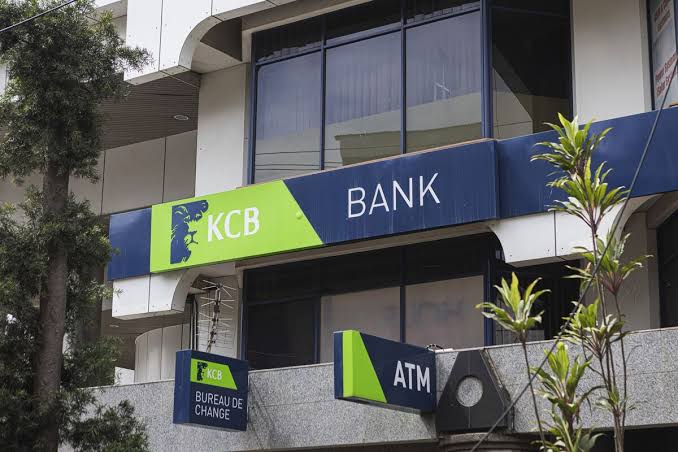

Kenyan banks hold nearly 65 percent of banking-sector assets in Rwanda, 48 percent in the Democratic Republic of Congo and 29 percent in Uganda, according to an IMF working paper published in November 2026. The paper, Cross-Border Banking Exposures and Macroeconomic Spillover Effects: The Case of Kenya, says the dominance makes Kenyan lenders systemically important to host economies. It also flags elevated bad loans at some subsidiaries.
The IMF paper shows how far Kenyan lenders have moved beyond their home market. DR Congo has become the largest destination for their regional assets, accounting for about 43 percent of Kenyan banks’ assets across the other East African Community markets in 2024. That is up from about 10 percent in 2018, a change that reflects a sharp shift in where Kenyan banks are investing.
Rwanda, Tanzania and Uganda each account for around 15 percent of the regional assets. The shares are large in Rwanda, where Kenyan banks hold nearly two-thirds of banking-sector assets, and substantial in DR Congo. In Uganda, the share is smaller but still significant at 29 percent.
Kenya’s banking sector is itself open to foreign lenders. Of the country’s 39 commercial banks, 17 are foreign-owned, which makes Kenya an international financial centre. Kenyan banks’ expansion abroad sits alongside that inflow, and the two trends together give Kenya a large role in regional finance.
The IMF researchers argue that this footprint makes Kenyan banks systemically important to the economies that host them. A bank whose failure would disrupt lending, payments or deposits in a host country carries risks that go beyond its own shareholders, and the paper argues that regulators in those markets need to take that into account.
The paper also flags risks. Non-performing loans at KCB and Equity Bank exceeded national banking-sector averages in Kenya, Rwanda and Uganda, according to the IMF analysis. Those pockets of weaker asset quality sit alongside the banks’ large market shares, which is why the paper highlights stability concerns.
The researchers found that banks expand more quickly in markets where lenders are profitable and borrowers repay loans more readily. That suggests Kenyan banks have followed returns, rather than simply pursuing scale, although the paper’s conclusions depend on the period studied.
Kenyan regulators are also moving on the issue. The Central Bank of Kenya has proposed a framework to identify and supervise domestic systemically important banks, with additional capital buffers and enhanced supervision for those designated. The framework’s public comment period closed on November 7, 2026, and banks with regional operations would face added coordination with other regulators.
The next signals will be the CBK’s decision on the framework and which banks are designated, as well as any supervisory coordination agreements with host-country regulators. Investors and regulators in the region will watch whether Kenya’s banks can keep growing abroad while keeping asset quality in check.