A US-linked group, Frontier Minerals LLC, is among the bidders competing to develop the Mrima Hill rare earth and niobium deposit in Kwale County. The Mining Ministry received five bids on October 21, 2026, and Mining Cabinet Secretary Hassan Ali Joho has said a decision would follow within weeks.
Frontier includes rare earths company ReElement Technologies, a subsidiary of American Resources Corporation.
The tender is the latest step in a competitive process that began with seven shortlisted bidders. Joho said the two American consortia, one US-affiliated group, an Australian consortium and a Kenyan-British joint venture submitted proposals. Two Chinese firms withdrew from the race, and Joho said the government had faced no pressure from China or the US. He did not say why the Chinese firms left.
Frontier Minerals is one of two American consortia in the tender. The other, Meridian Mineral Holdings, includes engineering group Fluor Corp and Tetra Tech.
Critical Metals Corp leads a third US-affiliated group, Mrima Earth, which describes itself as aiming to build a regional rare earth processing hub that creates jobs across East and Southern Africa. Frontier’s proposal has been reported as a US-led effort, but its full plan is not public.
The stakes are large. Joho said preliminary indicators suggest the deposit holds tens of billions of dollars’ worth of rare earths and niobium. Niobium is used to strengthen steel for jet engines and pipelines, while neodymium and yttrium go into batteries and guidance systems.
The government has not yet established the project’s economic viability, and some estimates of $62 billion take no account of the cost of extraction and processing.
The bidders promise local value. Consortia have pitched processing, refining and jobs in Kenya rather than the export of raw ore, and the government has said it wants local content in the deal. Whether those promises hold will depend on what the final contract requires.
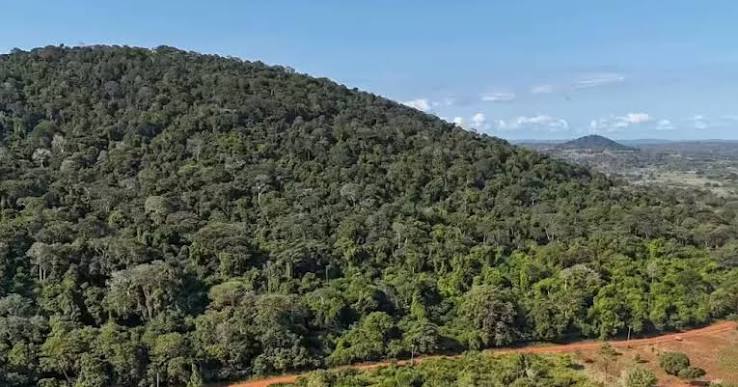
The project is also contested on other grounds. Mrima Hill is a sacred kaya, and residents have raised concerns about the destruction of sacred sites and the risk of radioactive waste, a common by-product of rare earth mining. Earlier efforts to mine the hill have been blocked by local communities.
Kenya has declared 14 minerals strategic and critical, including rare earths and niobium. An award is a selection of a developer, and it would not by itself permit mining. Any developer would still need to complete exploration, feasibility and environmental studies and secure the required licences and community consultation.
The next signals will be the government’s announcement of the preferred bidder, the terms of any agreement on local processing, and the environmental and community processes that follow. Residents, investors and the bidders will watch whether the process moves from tender to licensing