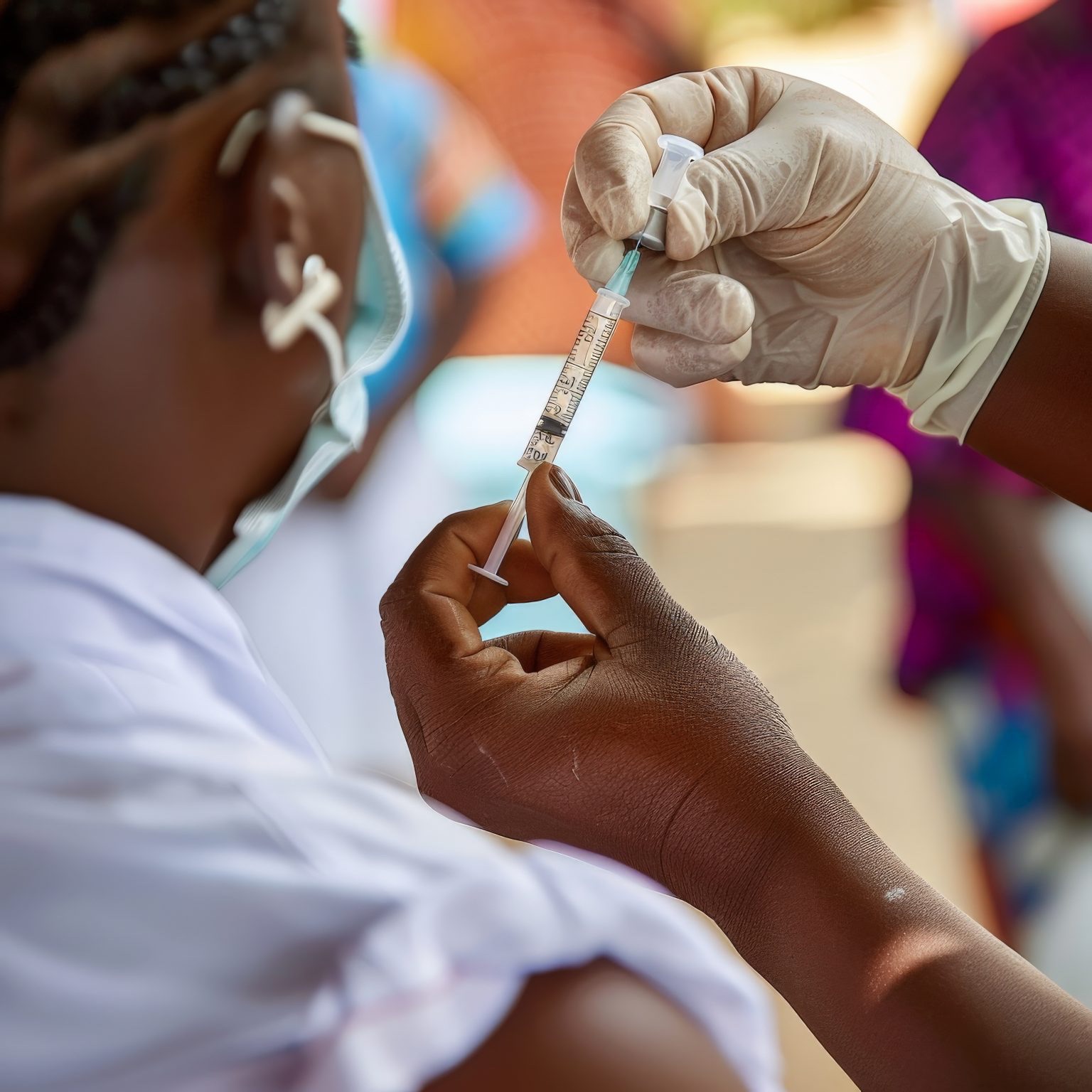
The World Health Organization (WHO) has warned that decades of progress in protecting people against deadly diseases through vaccination are facing growing threats from funding cuts, conflicts, climate change and misinformation.
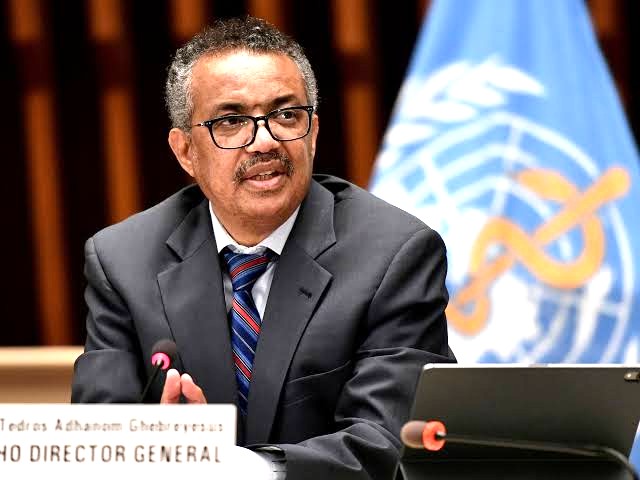
WHO Director-General Dr. Tedros Adhanom Ghebreyesus said vaccines have saved more than 150 million lives over the past 50 years, highlighting their critical role in preventing deaths and protecting public health.
However, he warned that the gains made through immunisation programmes could be undermined if countries fail to address the challenges affecting vaccine access and public confidence.
In a statement shared on social media, Tedros pointed to measles outbreaks in dozens of countries as a reminder of the dangers posed by gaps in vaccination coverage. He stressed that low immunity levels in one area could create health risks far beyond its borders.
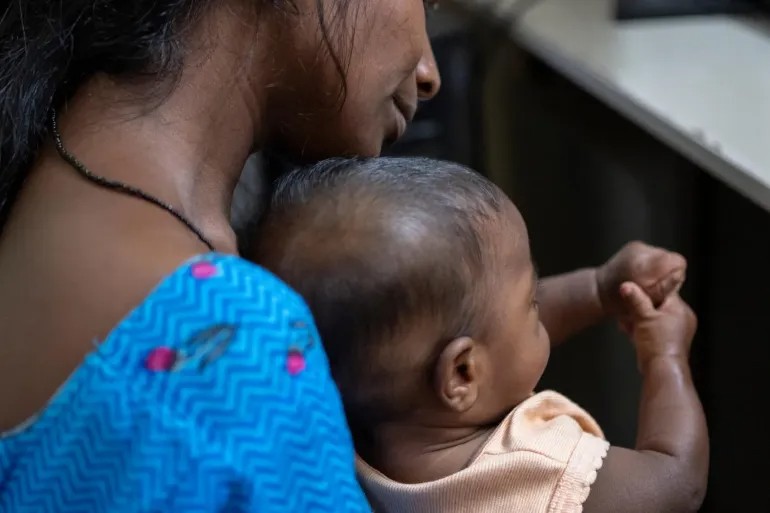
Measles is a highly contagious viral disease that can cause serious complications, particularly among young children and people who have not been vaccinated. Outbreaks can occur when too few people in a community have immunity, allowing the virus to spread rapidly.
The WHO chief’s warning comes amid concerns that disruptions to healthcare services, limited funding and misinformation could make it harder for countries to sustain immunisation efforts and protect vulnerable populations.
Conflict can prevent health workers from reaching communities, while funding shortages may affect vaccine procurement, storage and delivery. Climate-related emergencies can also disrupt health services and force people to leave their homes, potentially making routine vaccination more difficult.
Misinformation presents another challenge, as misleading claims about vaccines can undermine public trust and discourage people from seeking protection against preventable diseases.
Despite these challenges, Tedros highlighted promising developments in vaccine research and rollout programmes that could strengthen the global fight against infectious diseases.
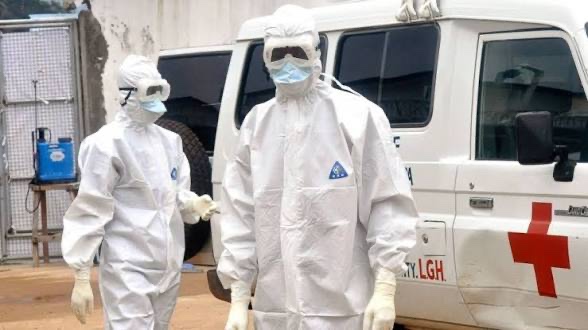
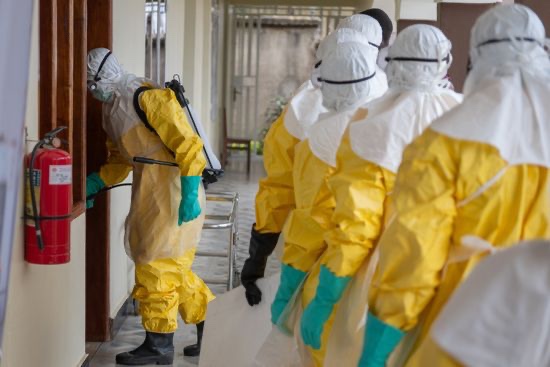
He pointed to the rollout of malaria vaccines, the development of promising tuberculosis vaccines and preparations for trials of new vaccines targeting the Bundibugyo virus, one of the species responsible for Ebola disease.
These developments offer hope for improving protection against diseases that continue to place a significant burden on communities and healthcare systems.
However, Tedros emphasised that scientific advances alone are not enough to guarantee protection. Vaccines can only save lives when people can access them and have confidence in their safety and effectiveness.
The WHO is therefore calling on governments, scientists, healthcare workers, pharmaceutical companies, technology firms and communities to work together to improve vaccine access and ensure the public receives accurate, evidence-based information.
Such cooperation is essential to counter misinformation, strengthen immunisation programmes and ensure that vulnerable populations are not left behind.
Tedros reiterated that vaccine protection should be available to everyone, regardless of where they live or their age.
The WHO’s message underscores the need for sustained investment in immunisation, stronger public health systems and effective communication to protect the progress achieved over the past five decades.