The World Health Organization (WHO) and three United Nations agencies have launched a global framework to help countries monitor the health effects of extreme heat on pregnant women, newborns and children, following evidence linking heat exposure to adverse pregnancy outcomes and growing exposure among infants.
The framework, launched on Wednesday, October 21, by WHO, the World Meteorological Organization (WMO), the United Nations Children’s Fund (UNICEF) and the United Nations Population Fund (UNFPA), introduces priority indicators to help governments identify potential heat-related health impacts and strengthen public health responses.
WHO says studies have found that exposure to extreme heat is associated with a 26% increase in the odds of preterm birth.
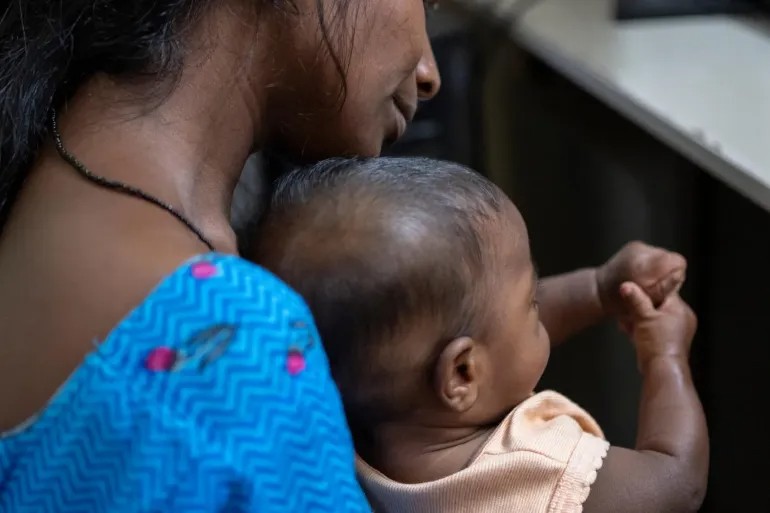
Babies under one year of age experienced 389% more heatwave days in 2024 compared with the 1986–2005 baseline period, while an estimated 1.5 billion children worldwide are exposed to heatwaves that are becoming more frequent, longer or more severe.
The new framework is intended to address gaps in monitoring how extreme temperatures affect maternal, newborn and child health, giving countries a practical basis for combining health records with climate data to identify emerging risks.
Bruce Gordon, acting director of WHO’s Department of Environment, Climate Change, One Health and Migration, said health systems needed reliable data to recognise the risks and take action, from protecting people during heatwaves to incorporating climate considerations into routine health services.
The report recommends that countries track preterm births, stillbirths, low birthweight, hypertension during pregnancy, child deaths and visits to health facilities during periods of extreme heat. School attendance is also included as an indicator that can help reveal how high temperatures disrupt children’s lives.
Dr Pascale Allotey, director of WHO’s Department of Sexual, Reproductive, Maternal, Child and Adolescent Health and Ageing, said monitoring health outcomes alongside heat exposure could help authorities identify potential impacts and take steps to protect women and children.
The indicators are organised into four areas: routine maternal, newborn and child health monitoring; public health and surveillance systems; climate and health monitoring; and measures of heat exposure. The framework proposes core and additional indicators to accommodate different national circumstances and monitoring capacities.
Countries can use routine health records alongside temperature and other heat-exposure data to identify unusual changes in health outcomes during extreme heat events. Such signals would require further investigation to establish whether the changes could be linked to heat exposure.
The information could help health authorities anticipate increased demand for medical services, strengthen warnings to pregnant women and families, identify communities facing greater risks and improve preparedness in health facilities.
WHO is urging governments to develop and implement heat-health action plans tailored to their local circumstances. The plans should incorporate the needs of pregnant women, newborns and children, strengthen early-warning systems and trigger timely responses when heat risks emerge.
The launch provides countries with a common framework for monitoring the effects of extreme heat on vulnerable populations. Its impact will depend on how governments incorporate the indicators into existing health surveillance systems and use the findings to guide preventive measures as temperatures continue to rise.