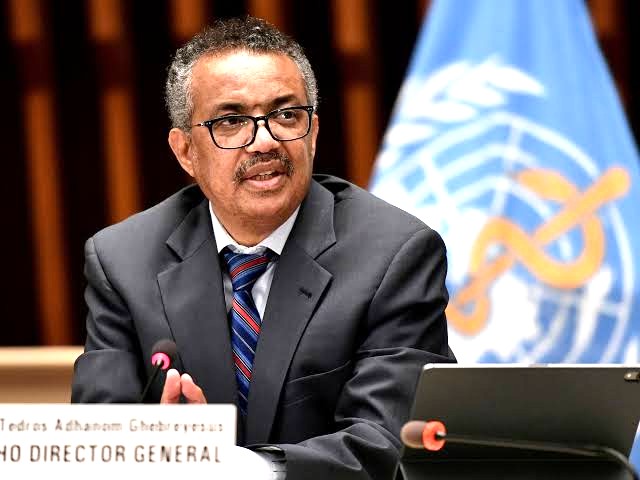
World Health Organization (WHO) Director-General Dr Tedros Adhanom Ghebreyesus has underscored the importance of contact tracing and surveillance after Kenya confirmed a third case of Ebola, caused by the Bundibugyo virus, among contacts of the country’s first patient.
Dr Tedros said the latest patient had already been placed in quarantine when the infection was detected and was now receiving supportive clinical care.
The early detection highlights the importance of identifying, monitoring and isolating people who may have been exposed to the virus to prevent further transmission.
The WHO chief said the organisation continues to support Kenya’s response as health authorities intensify surveillance and contact tracing following the confirmation of the latest infection.
Kenya’s Ministry of Health announced the third case, confirming that the patient was identified while in quarantine and promptly isolated for treatment.
The ministry reiterated that there was no evidence of community transmission, adding that investigations and monitoring of contacts were continuing.
The latest case brings the total number of confirmed Ebola infections in Kenya to three, with one death recorded and two patients receiving supportive care.
Health authorities have identified 130 contacts linked to the cases, of whom 127 had been traced and placed in quarantine as of the latest update.
The ministry said the remaining contacts were still being pursued as part of efforts to establish the full extent of possible exposure and prevent further infections.
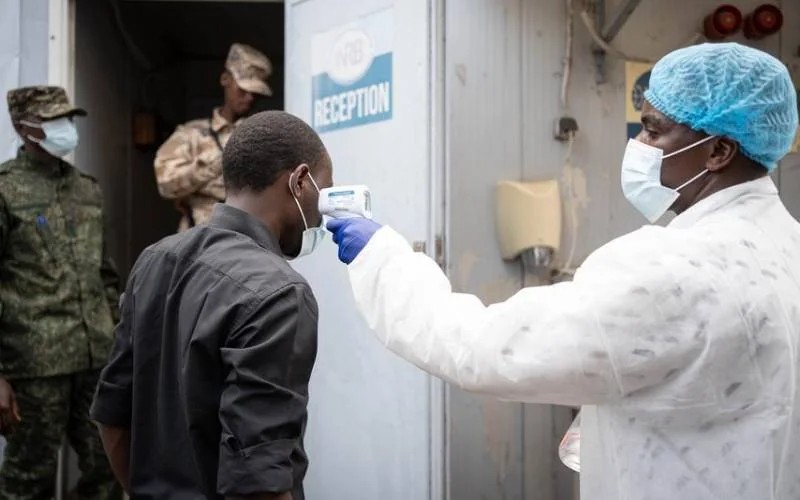
Kenya has also intensified screening at its points of entry, with 685,027 travellers screened as of October 15, 2026, according to the Ministry of Health.
The screening programme forms part of broader measures to detect suspected infections early, particularly among travellers arriving from areas affected by the outbreak.
The Bundibugyo virus is one of the viruses that cause Ebola disease. The infection can spread through direct contact with the blood and other bodily fluids of an infected person, as well as contaminated materials.
The disease can cause severe illness and requires prompt medical attention, isolation of suspected cases and careful monitoring of people who may have been exposed.
The Ministry of Health has urged the public to remain vigilant while relying on official information as surveillance and response operations continue.
Despite the confirmed cases, the government said Kenya remains open, with no restrictions imposed on travel, trade or public gatherings.
The ministry maintained that the absence of evidence of community transmission was an important distinction in assessing the situation, while stressing that contact tracing and surveillance remained critical to containing the infections.
The WHO continues to support the Kenyan government in its response, with early identification, isolation, clinical care and monitoring of contacts forming key components of efforts to prevent further spread.
Health authorities are expected to continue providing updates as investigations progress and more information becomes available about the contacts linked to the confirmed cases.