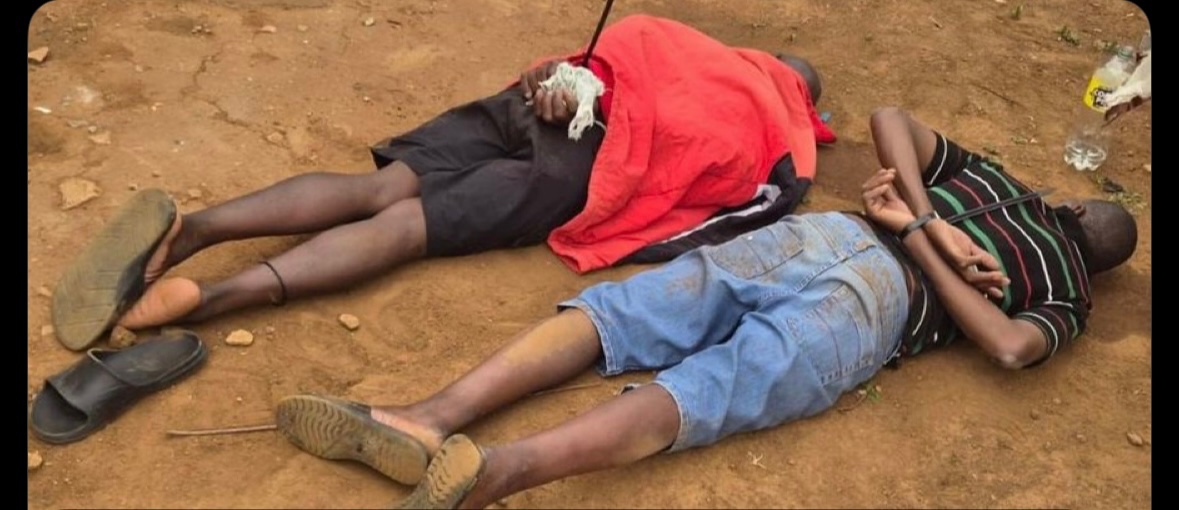
The World Health Organization (WHO) has warned that continued fighting in Ethiopia's Amhara and Tigray regions is pushing the country's already fragile health system closer to collapse, following a series of drone attacks that reportedly killed civilians, including children and a newborn.
WHO Director-General Tedros Adhanom Ghebreyesus raised the alarm on Monday, November 2, 2026, describing reports of attacks on civilians in the two regions as deeply disturbing and warning that escalating insecurity is threatening access to essential medical services.
In a statement, Tedros highlighted an attack on the Jaari 2 displacement camp in Amhara, where children, including a newborn, were among those reportedly killed. He also cited a separate drone attack in Rama, Tigray, where several people were reportedly killed while attempting to collect food.
The attack on the Jaari 2 camp occurred on Thursday, October 29, with at least 15 people killed in a series of drone strikes. Five children were among the victims, according to sources involved in rescue operations.
The camp, which accommodates more than 1,700 people displaced by previous violence, was hit by repeated explosions. A local official said authorities were arranging medical assistance for 36 injured people, with two later dying in hospital.
However, other reports reported a higher toll of 16 civilians killed and 22 injured, with residents describing repeated strikes on shelters occupied by displaced families.
In a separate incident on Friday, October 30, at least 12 civilians were reportedly killed in Rama while collecting sorghum scattered along a road after a grain truck was struck by a drone the previous night.
The Armed Conflict Location and Event Data Project (ACLED), which monitors political violence worldwide, also documented 12 deaths in the attack, alongside injuries and damage to civilian property.
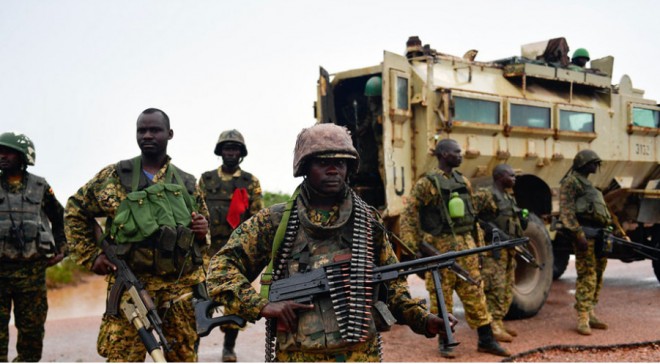
The incidents come amid renewed hostilities in northern Ethiopia, where government forces and armed groups have been involved in escalating confrontations, raising concerns over the safety of communities caught in the fighting.
Beyond the immediate civilian casualties, WHO warned that the violence is worsening an already strained healthcare situation across affected areas.
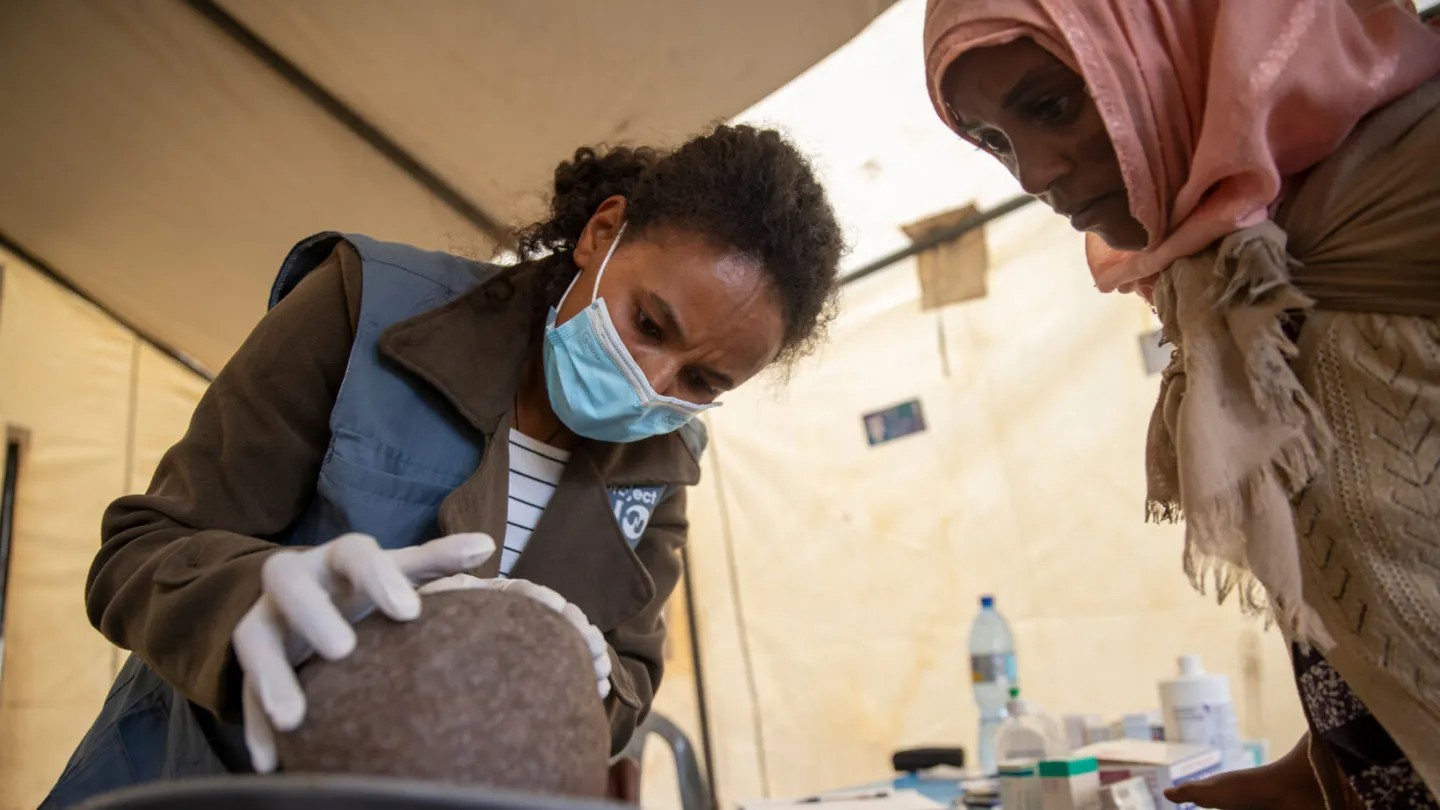
Hospitals are facing shortages of health workers, medicines and medical equipment, while ambulance services remain severely limited. Insecurity is also obstructing the delivery of life-saving medical supplies to some communities, making it increasingly difficult for patients to receive timely treatment.
Tedros said WHO and its United Nations partners were working around the clock to deliver additional medical supplies to all affected regions.
He cautioned that as fighting continues, more people risk losing access to essential healthcare, including emergency services, maternal and child healthcare and treatment for diseases.
The disruption threatens vulnerable populations who depend on functioning health facilities, particularly pregnant women, children and people requiring urgent medical attention.
The WHO chief called for the protection of civilians and urged that health workers and humanitarian supplies be allowed to reach communities affected by the violence.
He stressed that humanitarian assistance must not be obstructed as the conflict continues to threaten lives and undermine access to basic services.
"The most courageous choose peace. The best medicine is peace," Tedros said.