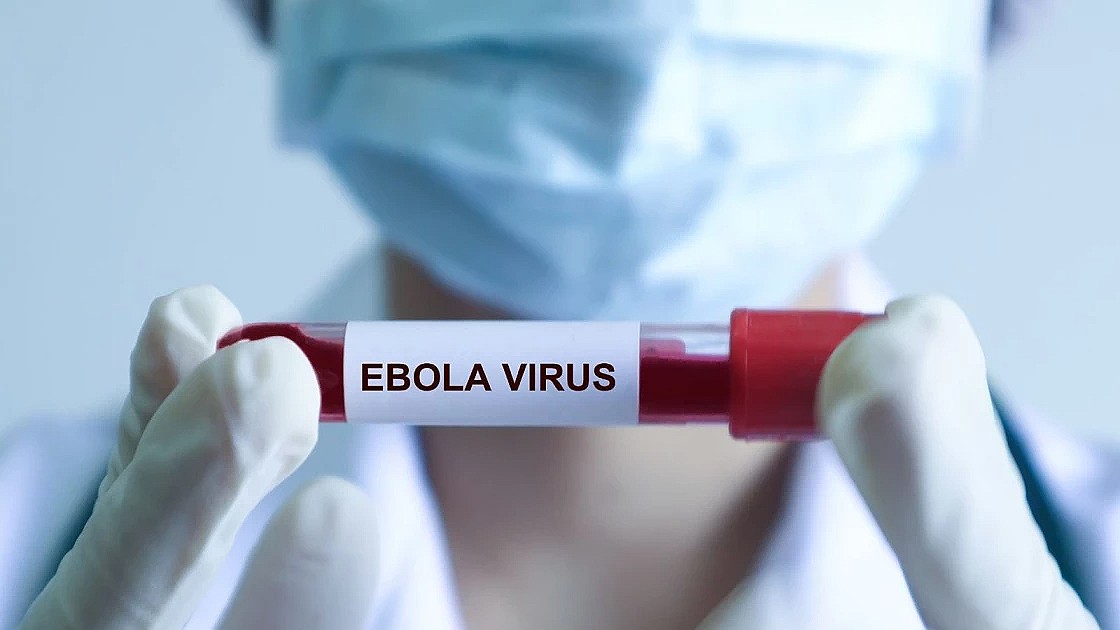
Health authorities in Nigeria are investigating two suspected cases of Ebola disease in the country's North-East region, prompting precautionary measures as laboratory tests are conducted to establish whether the individuals are infected.
The two individuals have been isolated as health officials begin identifying and listing people who may have come into contact with them in an effort to prevent possible transmission should the infections be confirmed.
Laboratory testing is currently underway, with authorities expected to provide further information once the results are available.
Health officials have emphasised that the two individuals are classified as suspected cases and have not been confirmed to have Ebola.
Their infection status will only be established after laboratory investigations are completed.
The development has heightened public health concerns in Nigeria, particularly given the country's previous experience with Ebola during the devastating 2014 West African outbreak, which affected several countries, including Guinea, Liberia and Sierra Leone.
Nigeria's Ebola history dates back to July 2014, when the country recorded its first case during the West African epidemic that primarily affected Guinea, Liberia and Sierra Leone.
The virus was introduced into Nigeria on July 20, 2014, when Patrick Sawyer, a Liberian-American government official infected with Ebola, arrived at Murtala Muhammed International Airport in Lagos from Liberia.
Sawyer became ill shortly after arriving and was admitted to a hospital in Lagos, where he died five days later.
His infection triggered a chain of transmission involving people who had come into contact with him, including healthcare workers who attended to him.
The outbreak subsequently spread to Port Harcourt after an infected contact travelled to the city for medical treatment, resulting in further infections.
Nigeria eventually recorded 20 Ebola cases, comprising 19 confirmed and one probable case. Eight people died, including seven confirmed cases and one probable case.
The outbreak was officially declared over on October 20, 2014, after the country completed 42 consecutive days without a new infection following the last confirmed patient's recovery and discharge.
The World Health Organization credited Nigeria's response to the rapid establishment of an emergency operations centre, extensive contact tracing, isolation of suspected infections, public awareness campaigns and coordination between government agencies and international health partners.
Nigeria's experience became an important example of how an imported Ebola infection could be contained through early detection, effective surveillance and coordinated public health interventions.
The latest developments come as Nigeria is also responding to a confirmed imported case of Ebola Bundibugyo virus disease in Abuja.
The infection was confirmed on October 20, 2026, in a 42-year-old woman who had travelled from Uganda through Addis Ababa. She developed symptoms four days after arriving in Nigeria and subsequently tested positive.
The Nigeria Centre for Disease Control initially identified 44 contacts, with the number rising to 62 by October 29.
The patient was subsequently medically evacuated to Switzerland for treatment.
The current investigations therefore underscore the importance of sustained surveillance, particularly as countries across the region strengthen cross-border monitoring amid the ongoing Ebola outbreak.
Health authorities continue to urge Nigerians to maintain good hand hygiene, practise enhanced sanitation and follow official public health guidance.
The public has also been cautioned against spreading unverified reports, with authorities promising further updates as laboratory results and epidemiological investigations provide more information.