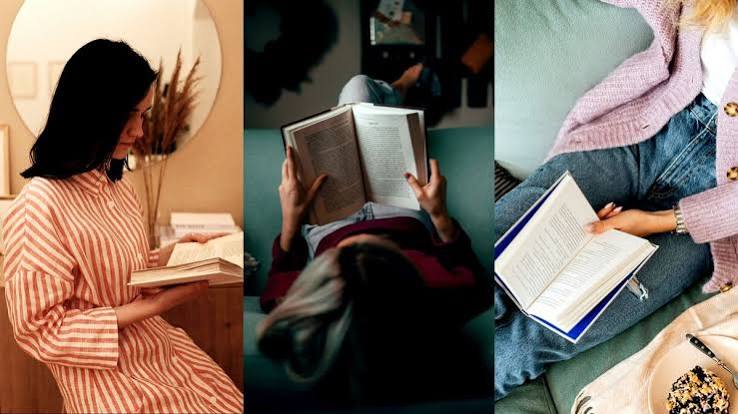
Gen Z in South Korea have a new obsession: reading books. The generation raised on short-form video has turned the pastime into something social, aesthetic and tied to identity, in a trend known as “text hip”, which was highlighted as an antidote to endless scrolling.
The term combines “text” with “hip” and means that reading is cool. Young Koreans share what they are reading on social media, join book clubs and reading sessions, and write online reviews, treating books as a way to express taste and identity as well as to take in a story.
Celebrity endorsements have also helped. One example is Schopenhauer to Read at Forty, an 800-page book first published in Korea a decade earlier, which became popular among Gen Z after the actress Han So-hee mentioned it in an interview and a member of the girl group IVE, Jang Won-young, recommended it.
The trend took off after South Korean author Han Kang won the Nobel Prize in Literature in 2024, which turned a passing fad into something that analysts expect to last longer. A spokesperson for the Kyobo Book Centre chain said at the time that reading was considered fashionable among young people.
Yes24, one of the country’s largest online booksellers, reported that sales to teenagers and young adults rose 18 percent in 2024, and sales of poetry, novels and plays rose 17.7 percent in the first two weeks of 2025 even after excluding Han’s works. The hand-copying of books, known as pilsa, has also taken off.
The change is visible on the streets of Seoul. Independent bookstores and book bars in neighbourhoods such as Seongsu-dong and Mangwon-dong have become places where people can spend time alone or swap thoughts and books with strangers.
Bookstores that used to be quiet are now social and some young readers have gone as far as asking strangers for their phone numbers, assuming that the book in someone’s hand reveals their intellect and character. Phone-free gatherings, where participants put their devices away to focus on being present, are also spreading.
Experts are divided over whether it is a genuine revival or a fashion. Critics ask if books are being read or merely displayed as accessories. Baek Won-geun, director of Korea’s Book and Society Research Institute, has said the real test is whether young people will sustain their interest in reading once life gets busier.