The United Nations has begun winding down its 35-year peacekeeping mission in Western Sahara following a failure by the Security Council to agree on an extension of its mandate, raising fresh concerns over the future of the disputed territory.
The withdrawal process began on Sunday, November 1, 2026, marking the end of a long-standing UN presence established to monitor a ceasefire between Morocco and the pro-independence Polisario Front in 1991.
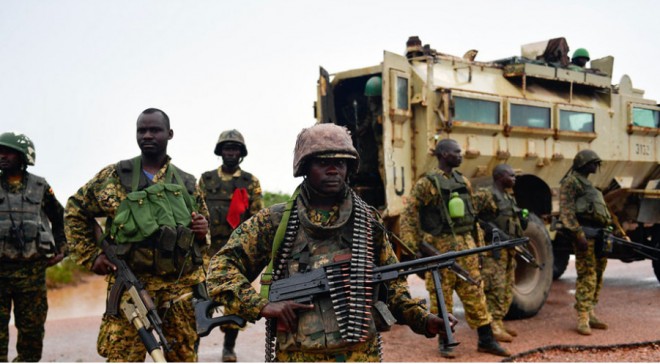
The mission, known as the United Nations Mission for the Referendum in Western Sahara (MINURSO), was established to monitor the ceasefire and facilitate a referendum that would allow the people of Western Sahara to determine the territory's future.
However, the planned referendum has never taken place due to prolonged disagreements between Morocco and the Polisario Front, particularly over voter eligibility and the terms of the proposed vote.
The mission's closure follows a contentious session at the UN Security Council on Friday, October 30, during which member states failed to adopt competing resolutions seeking to determine its future.
A United States-backed resolution proposing a one-year extension was vetoed by Russia, which argued that the proposal favoured Morocco's position in the dispute.
The council subsequently rejected a rival Russian proposal seeking a straightforward extension of MINURSO's mandate for another year, leaving the mission without the required authorisation to continue its peacekeeping operations.
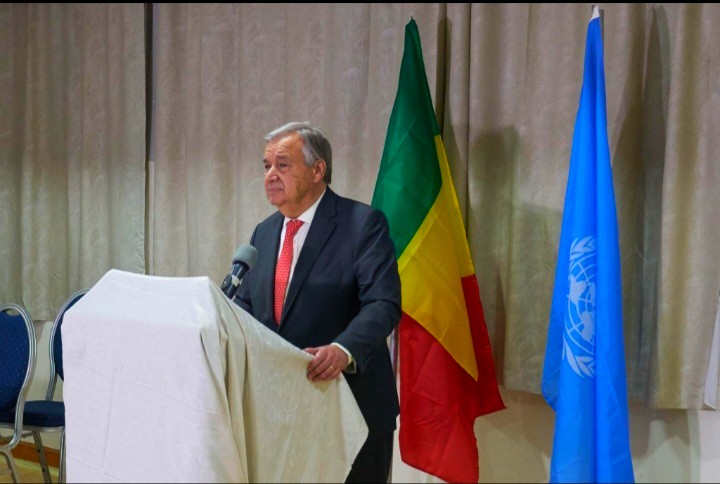
UN Secretary-General Antonio Guterres confirmed the commencement of the mission's liquidation phase, which will involve the transportation of equipment belonging to contributing countries and the orderly withdrawal of its assets.
A smaller UN team will oversee the process, including the return of personnel and the disposal or transfer of equipment.
The development has drawn different reactions from the parties involved in the decades-long dispute.
Morocco welcomed the failure to renew the mission's mandate, describing the development as significant to its position on Western Sahara.
Rabat has consistently maintained that the territory should remain under Moroccan sovereignty, proposing an autonomy arrangement that would allow the region to manage its internal affairs.
The Polisario Front, which has been seeking independence for Western Sahara, expressed concern over the Security Council's failure to reach an agreement, arguing that the development could undermine efforts to achieve a lasting political settlement.
Algeria, which supports the Polisario Front, also criticised the outcome, expressing concern over what it described as bias towards Morocco's position.
Western Sahara has remained at the centre of a territorial dispute since Spain withdrew from the former colony in the 1970s, with Morocco controlling most of the territory while the Polisario Front continues to demand independence.
Although the 1991 ceasefire brought an end to the main phase of fighting, tensions have persisted, with hostilities resuming in 2020 after the breakdown of the truce.
The end of MINURSO's peacekeeping mandate now raises questions about the future of monitoring efforts and the prospects of renewed negotiations between the rival sides.