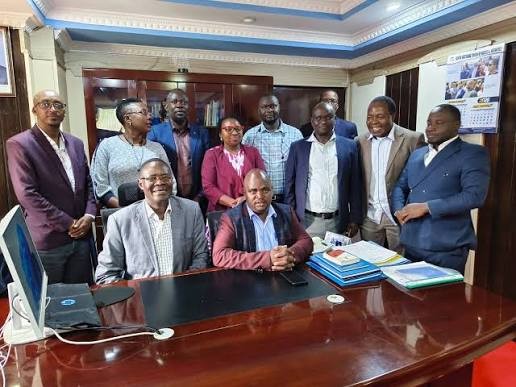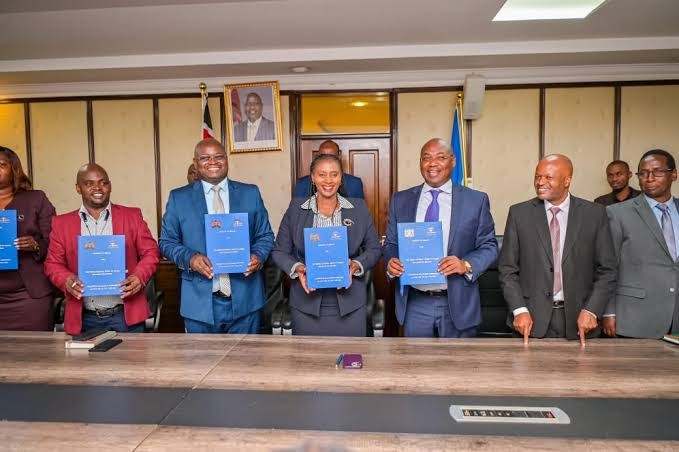
The Kenya National Union of Nurses and Midwives (KNUNM) and Kenyatta National Hospital (KNH) have signed their second Collective Bargaining Agreement (CBA), with the deal addressing nurses’ welfare and terms of service.
KNUNM Secretary-General Seth Panyako welcomed the conclusion of negotiations, thanking both parties for reaching the signing stage.
“I appreciate the negotiations made to come to this point of signing the CBA,” Panyako said.
He said the agreement would bring KNH nurses’ terms of service closer to those of their counterparts at Moi Teaching and Referral Hospital, adding that KNH nurses had lagged behind.
KNH Chief Executive Officer Dr Richard Lesiyampe said the agreement covers several human resource matters, including compensation for nurses’ uniforms.
“The CBA has a number of human capital-related issues. We’ve agreed to compensate our nurses with an additional Sh10,000 yearly allowance for their uniform,” Lesiyampe said.
The signing follows months of negotiations over nurses’ pay and working conditions.
In April 2026, KNH management and the union agreed that a CBA addendum dated September 8, 2025, would be incorporated into the 2025–2029 agreement following a dispute that disrupted hospital services.
The issues included medical cover, workload, promotions and the welfare of contract nurses.
In August, the Salaries and Remuneration Commission approved a phased increase in KNH nurses’ annual uniform allowance from Sh15,000 to Sh25,000 and their monthly nursing service allowance from Sh20,000 to Sh30,000 under the proposed CBA.
Implementation was subject to the applicable financial and procedural requirements.
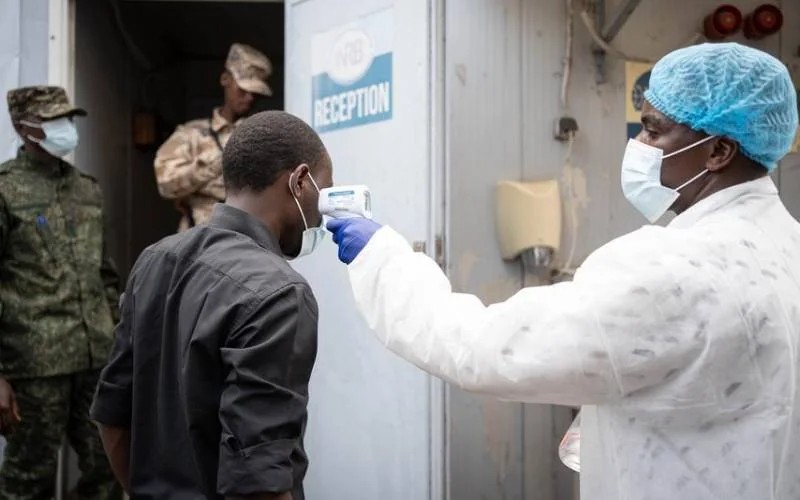
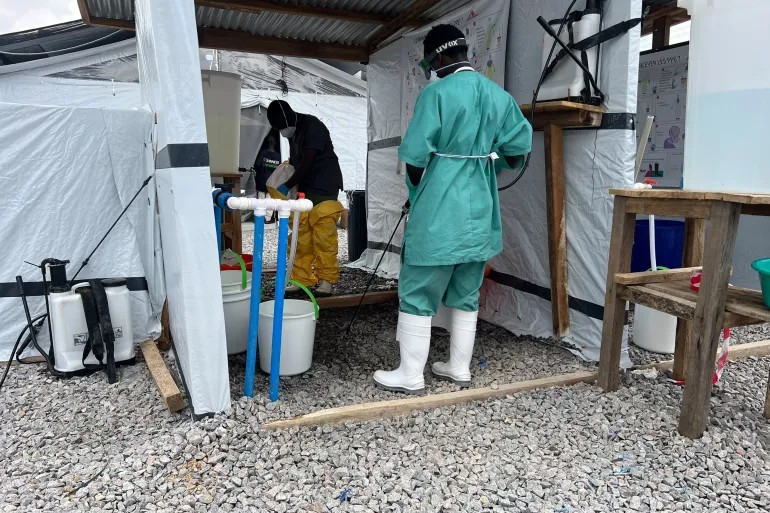
The ceremony also touched on the hospital’s preparedness for Ebola amid heightened surveillance following the confirmation of an imported case of the Bundibugyo strain in Kenya earlier this month.
Lesiyampe said KNH had established a treatment centre, trained staff and acquired protective equipment to handle suspected cases.
“We have a treatment centre here. We have trained our staff. We have protective gears for the same,” he said.
Panyako said Kenyan healthcare workers were properly trained to respond to Ebola, underscoring the importance of preparedness and protecting frontline medical personnel.
The agreement is expected to guide improvements in nurses’ working conditions and welfare as KNH continues to strengthen its healthcare services.