The Nairobi County Government has raised the alarm over a possible mumps outbreak in schools, urging parents to keep children displaying symptoms of the viral infection at home to curb further transmission.
Nairobi County Chief Officer for Public Health Tom Nyakaba said health officials had alerted schools and issued guidelines to help contain the spread of the disease, amid reports of infections in several learning institutions.
Speaking to the Nation, Nyakaba revealed that the county had recorded approximately 11 cases over the past two months, with infections reported sporadically in different schools. Three of the latest cases were reported at a school in Lang’ata, Nairobi County.
Current mumps cases in Nairobi
“We have advised schools to ensure their children are at home when they are exposed to the infection,” Nyakaba said, urging learning institutions to take precautionary measures to protect learners and staff.
The county official sought to reassure residents that the situation remained under control, noting that the number of reported infections was still relatively low. He added that affected learners were isolating to minimise the risk of spreading the virus to others.
The concerns come after a private school in Nairobi issued an advisory to parents on October 7, notifying them of reports of a mumps outbreak and warning about the highly contagious nature of the infection.
Symptoms and transmission of mumps
The school noted that symptoms can take between 12 and 25 days to appear after exposure, making it important for parents and school administrators to remain vigilant and monitor children for possible signs of infection.
Mumps is a contagious viral disease that spreads through saliva and respiratory droplets when an infected person coughs, sneezes or engages in close contact with others. The virus can also spread through the sharing of items contaminated with saliva, including drinking cups and utensils.
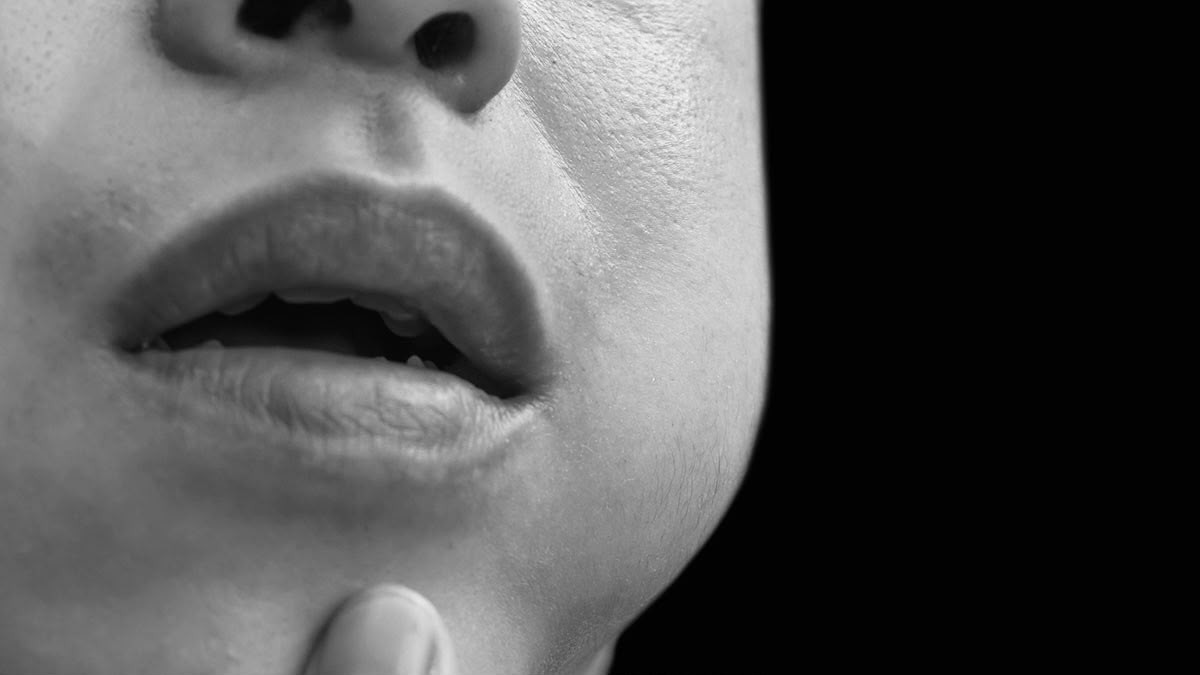
According to the United States Centers for Disease Control and Prevention (CDC), common symptoms include painful swelling of the salivary glands around the jaw, fever, headache, tiredness and loss of appetite.
The infection can spread rapidly in crowded environments such as schools, where learners interact closely in classrooms, playgrounds and other shared spaces.
Advice for parents and schools
Parents have been urged to seek medical advice if their children develop symptoms associated with mumps and to avoid sending sick learners to school while they may still be infectious.
They should also follow guidance from healthcare professionals on isolation and when it is safe for children to resume attending classes.
School administrators have also been encouraged to promptly communicate suspected cases to parents, promote proper hygiene and cooperate with public health officials in implementing preventive measures.