The Kenya Medical Association (KMA) has assured Kenyans that public gatherings can continue despite ongoing preparedness measures against the Ebola virus disease, Bundibugyo strain, urging the public to observe basic hygiene precautions and follow official health advisories.
In a public advisory, the Association said the Ministry of Health had confirmed that there were currently no restrictions on travel, trade, transport or public gatherings, allowing weddings, funerals, religious services, conferences, school activities and sporting events to proceed.
The clarification follows growing public discussion about the safety of gatherings amid concerns over the Ebola outbreak.
Public gatherings and health guidelines
KMA said its advisory was intended to provide accurate information in line with directives from the Ministry of Health.
According to the association, the Health Cabinet Secretary confirmed the position in a communication dated October 11, 2026.
However, KMA cautioned that the situation could change, urging Kenyans to remain alert to updates from the Ministry of Health.
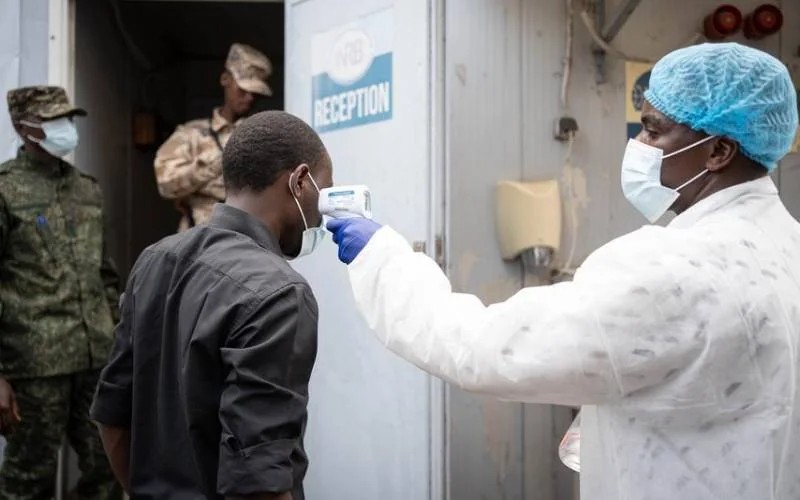
The association emphasised that organisers of public events should provide handwashing facilities or hand sanitisers, conduct temperature checks at entry points and designate a person to respond to suspected illness and liaise with the nearest health facility.
Members of the public were also urged to maintain proper hand hygiene, avoid sharing personal items such as towels, cups and utensils, and stay at home whenever they feel unwell.
KMA further advised people to avoid contact with the body fluids of anyone who is sick.
The association explained that Ebola does not spread through the air but through direct contact with the blood or body fluids of an infected person, someone who has died from the disease, or items contaminated with such fluids.
Understanding Ebola transmission
It added that people who have no symptoms do not transmit the disease.
Symptoms of Ebola include sudden fever, headache, muscle pain, weakness, vomiting and diarrhoea, with unexplained bleeding occurring in some cases.
However, the association warned that these symptoms may resemble those of malaria and typhoid, making medical assessment and laboratory testing necessary to confirm an Ebola infection.
KMA issued additional precautions for funerals, advising members of the public not to wash, touch or prepare the body of anyone who dies following a sudden illness accompanied by fever or bleeding.
Precautions for funerals and gatherings
Instead, families should contact the nearest health facility so that authorities can facilitate a safe and dignified burial.
People who have travelled from an affected area, been identified as contacts of a suspected case or had exposure to someone suspected of having Ebola were urged to seek medical guidance if symptoms develop. Such individuals should avoid gatherings, refrain from self-medication and contact the Ministry of Health through its toll-free line 719 or dial *719#.
The association also called on Kenyans to avoid spreading unverified information and to rely on updates from the Ministry of Health, the World Health Organization and qualified health professionals. It warned that stigmatising travellers, healthcare workers and people undergoing testing could discourage individuals from seeking medical attention or disclosing symptoms.
KMA noted that Kenya's first imported Ebola case had been detected and contacts traced quickly, describing the response as an indication that the country's preparedness systems were functioning.