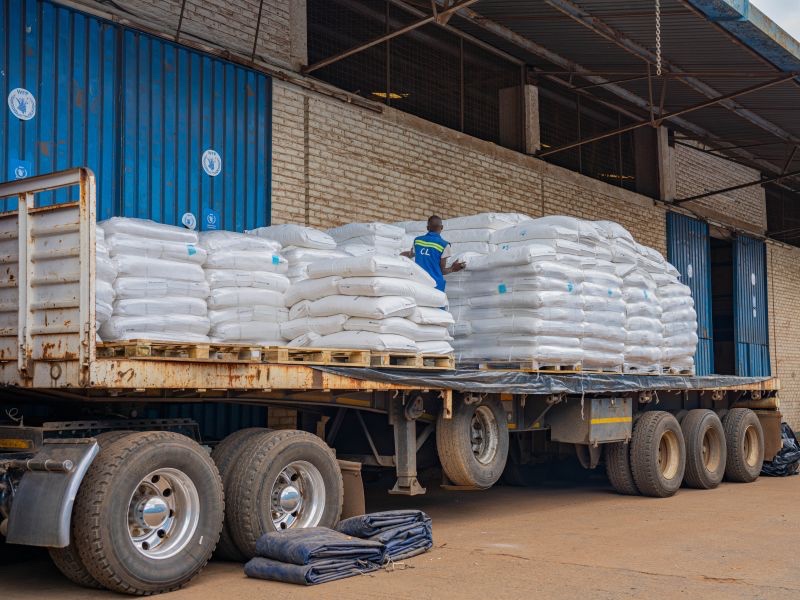
The United Nations World Food Programme (WFP) is set to reduce food assistance to thousands of refugees in Malawi from November, citing severe funding shortages and an increase in the number of people seeking refuge in the country.
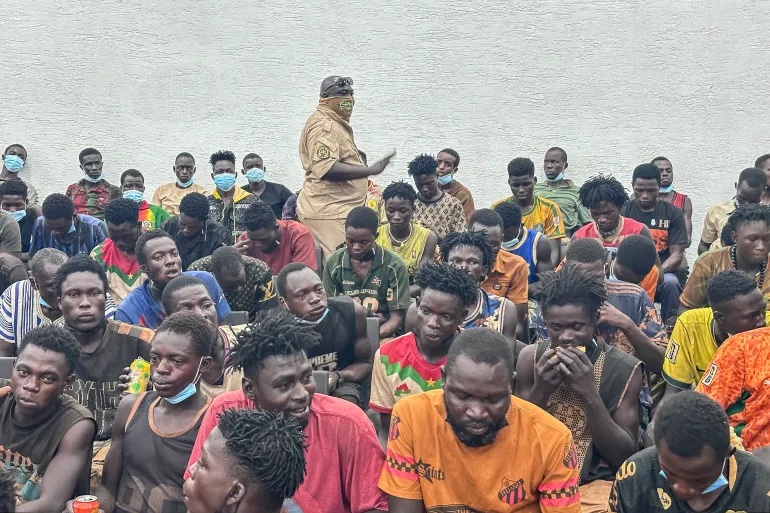
The agency says it will prioritise the most vulnerable households at Dzaleka Refugee Camp, where more than 65,000 refugees are currently hosted, after dwindling resources made it increasingly difficult to sustain food assistance for everyone.
Under the new arrangement, approximately 35,000 refugees identified as the most vulnerable will receive monthly cash assistance of 8 US dollars (approximately KSh 1,040) per person, covering only half of their monthly food requirements.
Since 2022, WFP has supported refugees at the camp by providing assistance covering up to 75 per cent of their food needs. However, the agency says the level of support has become unsustainable due to declining humanitarian funding and rising demand.
WFP Representative and Country Director in Malawi Hyoung-Joon Lim said the agency had progressively reduced food rations in an attempt to reach as many refugees as possible but had now been forced to exclude some households from assistance altogether.
Lim warned that the latest cuts would expose thousands of families, particularly those without reliable sources of income, to increased food insecurity.
He said the affected refugees had already fled conflict and persecution in their home countries in search of safety and should not be left struggling to access basic food supplies.
WFP estimates that it requires 7.2 million US dollars to restore full food assistance for the 35,000 most vulnerable refugees through April 2027.
The agency says the prioritisation process will be guided by a vulnerability assessment targeting households facing the greatest risks of food insecurity, malnutrition and protection concerns.
The eligibility criteria were developed through consultations involving WFP, the United Nations High Commissioner for Refugees (UNHCR), the Malawi government and representatives of refugee communities.
Meanwhile, UNHCR has raised concern over the implications of reduced humanitarian funding, warning that the needs of refugees and asylum seekers have not diminished despite the decline in resources available to support them.
UNHCR Multi-Country Office Representative for Malawi, Zambia and Zimbabwe, Helen Mebrahtu, said the funding constraints were forcing humanitarian agencies to make difficult decisions at a time when many refugee households continued to face significant challenges.
She said the agency would continue working with the Malawi government, WFP and other humanitarian partners to monitor the impact of the changes, address emerging protection concerns and advocate for additional funding.
Mebrahtu also called for stronger opportunities to enable refugees to become self-reliant and participate in the country's socio-economic activities.
Malawi's Commissioner for Refugees at the Ministry of Homeland Security, General Ignacio Maulana (retired), reaffirmed the government's commitment to protecting people fleeing conflict and persecution.
He said the government was working with international agencies and other partners to manage the situation while ensuring that humanitarian principles, dignity and refugee protection remained central to the response.
Authorities have also pledged to strengthen complaints and feedback mechanisms, protection referrals and monitoring of both households receiving assistance and those excluded from the programme.
WFP, UNHCR and the Malawi government maintain that refugees who will no longer qualify for food assistance will retain their refugee status and all associated rights.
However, humanitarian agencies warn that without additional financial support, thousands of displaced families could face worsening hunger as assistance continues to fall short of their basic needs.