Nigerian health authorities have completed a 21-day monitoring period for 62 people who came into contact with the country's first confirmed Ebola patient in more than a decade, with none developing the disease.
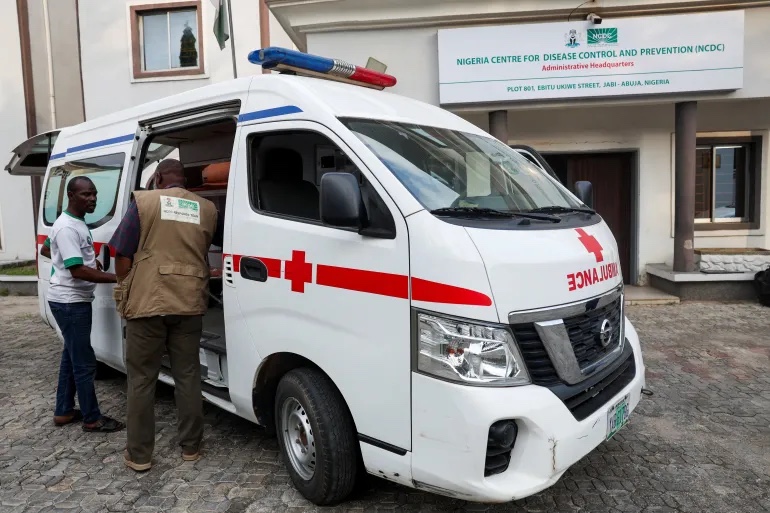
The Nigeria Centre for Disease Control and Prevention (NCDC) announced on Friday that the final contact had completed the monitoring period without testing positive for the virus, marking a significant milestone in the country's efforts to contain the infection.
Nigeria confirmed its first Ebola case in more than 10 years on October 20, 2026, involving a Swiss woman who had travelled to Uganda before arriving in the West African country.
The patient and her husband were subsequently evacuated to Switzerland, where she received treatment, recovered fully and was discharged from hospital.
According to the NCDC, 13 of the 62 contacts developed fever or other non-specific symptoms during the monitoring period.
However, laboratory tests returned negative results for all 13 individuals.
The agency also disclosed that seven Ebola alerts reported across five Nigerian states over the past three weeks had been investigated, with all suspected cases testing negative.
Despite the successful completion of contact monitoring, the NCDC cautioned that the development does not automatically mean Nigeria has been declared free of Ebola.
Under World Health Organization (WHO) guidelines, a country must complete 42 consecutive days without a new confirmed case, counted from the recovery or departure of the last confirmed patient, before an outbreak can officially be declared over.
The latest case in Nigeria is linked to the wider Ebola outbreak first identified in May 2026 in Ituri Province, eastern Democratic Republic of Congo (DRC).
The outbreak, involving the Bundibugyo strain of the virus, has spread beyond the DRC, with cases also reported in Uganda, France, Kenya and Nigeria.
In the DRC, government figures indicate that the outbreak has infected more than 11,000 people and claimed over 5,000 lives, making it the country's second-largest Ebola outbreak on record.
The Bundibugyo strain is particularly concerning because there are currently no approved vaccines or specific treatments for the variant, although patients can receive supportive medical care.
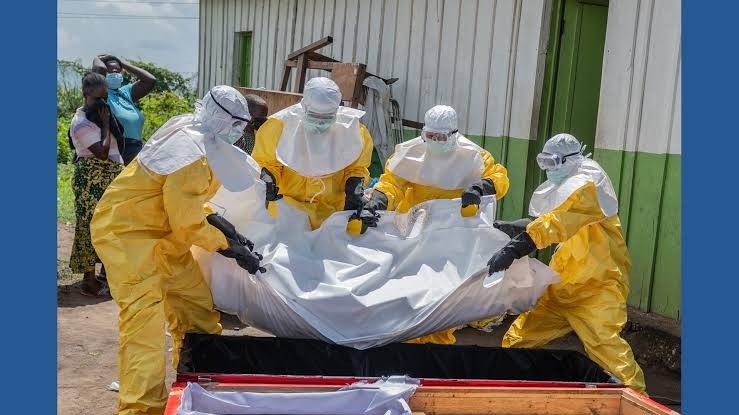
Ebola is a severe infectious disease transmitted through direct contact with the bodily fluids of infected people or contaminated materials, including clothing and bedding.
Health authorities continue to emphasise surveillance, rapid identification of suspected cases, isolation and contact tracing as key measures in preventing further transmission.
Nigeria's completion of the 21-day monitoring exercise provides a positive development in containing the imported case, although authorities must still meet the WHO's 42-day requirement before declaring the country Ebola-free.