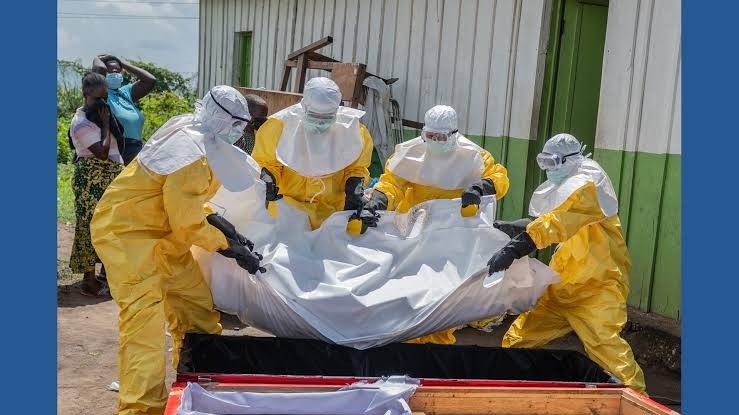
Attacks on health workers and medical facilities are increasingly disrupting efforts to contain a deadly Ebola outbreak in eastern Democratic Republic of Congo (DRC), with more than 5,400 people having died from the disease, Africa's leading public health agency has warned.
The Africa Centres for Disease Control and Prevention (Africa CDC) says growing insecurity in affected areas is making it difficult for medical teams to reach patients, trace contacts and provide essential treatment.
Speaking during a press briefing on Thursday, Africa CDC official Wessam Mankoula revealed that the Ebola response had faced several security incidents, including armed attacks, assaults on health workers and the destruction of medical facilities.
Mankoula said there had been four armed attacks, 16 assaults against people involved in the Ebola response and 11 health facilities that had been burned or otherwise targeted.
He warned that the attacks had become increasingly deadly since late September, raising concerns about the safety of health workers and communities in areas affected by the outbreak.
One of the deadliest incidents occurred last week in Cantine-Aloya, in North Kivu province, where an attack by the Allied Democratic Forces (ADF), an armed group linked to the Islamic State, left 66 people dead.
According to Mankoula, three health workers were among those killed in the attack, further weakening efforts to control the outbreak.
The violence has also affected the tracking of people who may have been exposed to the virus. More than 1,000 contacts have been lost to follow-up, while three confirmed Ebola patients remain unaccounted for.
Health authorities fear that the loss of contact with potentially exposed individuals could increase the risk of further infections and make it harder to understand how the virus is spreading.
The World Health Organization (WHO) has also raised concerns over the growing impact of insecurity on the response, warning that continued violence could reverse gains made in recent months.
During a separate briefing, WHO experts said the deteriorating security situation risked reversing the progress achieved over the past six months.
WHO Director-General Tedros Adhanom Ghebreyesus said insecurity had become one of the greatest obstacles to controlling the outbreak.
He noted that violence was restricting humanitarian access, disrupting response operations and making it harder for medical teams to reach affected communities quickly.
The outbreak was declared on May 15, and figures from the Congolese government show that 11,114 people have been infected, while 5,433 have died.
The rising death toll, combined with attacks on health workers and facilities, has placed additional pressure on an already difficult public health emergency.
Health agencies have warned that protecting medical personnel and ensuring safe access to affected communities will be critical to controlling the outbreak and preventing further loss of life.