The United States has imposed sanctions on Rwanda’s Ministry of Defence and a financial institution linked to the country’s security services over the ongoing conflict in the eastern Democratic Republic of Congo (DRC). Announced on October 28, 2026, the measures target alleged support for the M23 rebel group despite ongoing efforts to implement a regional peace agreement.
The US Treasury Department’s Office of Foreign Assets Control designated Rwanda’s Ministry of Defence and Zigama Credit and Savings Society, which Washington accuses of facilitating military support for M23 and its political wing, the Congo River Alliance.
According to the Treasury Department, Rwanda Defence Force troops have deployed across North and South Kivu provinces, operating alongside M23 and providing weapons, supplies, logistical assistance and training. Washington also alleges that Rwandan forces introduced surface-to-air missile systems and electronic jamming equipment into the conflict zone, raising concerns about civilian aviation safety.
The US government further alleges that Zigama facilitated payments for weapons, ammunition and military equipment, as well as financial transactions connected to M23 and its affiliated political organisation. The institution is also accused of helping transport gold originating from rebel-controlled areas of eastern Congo into Rwanda.
The sanctions block property and financial interests belonging to the designated entities that fall under US jurisdiction or the control of US persons. US persons are generally prohibited from conducting transactions involving the sanctioned entities unless an exemption or authorisation applies. The measures can also affect certain businesses owned at least 50 per cent by blocked persons.
The action follows earlier US sanctions imposed in March 2026 against the Rwanda Defence Force and four senior military officials over alleged support for M23. Washington said the latest measures were intended to increase pressure on Rwanda to withdraw its forces from eastern Congo and end support for the armed group.
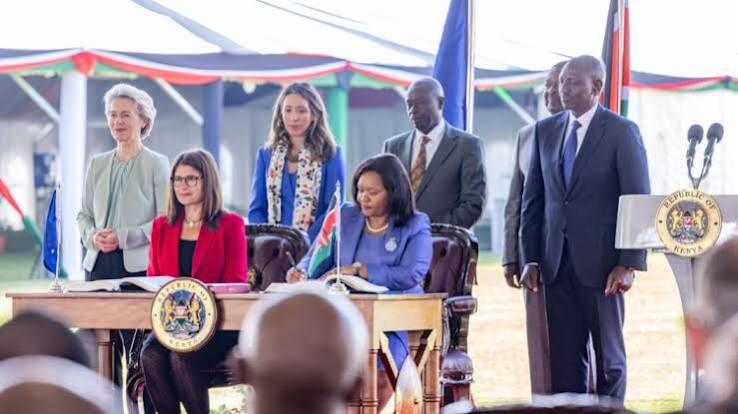
The sanctions also raise questions about the future of the Washington Accords for Peace and Prosperity, signed by the Congolese and Rwandan presidents on December 4, 2025. The agreement was intended to end hostilities and promote trade and investment across the African Great Lakes region, but fighting has continued.
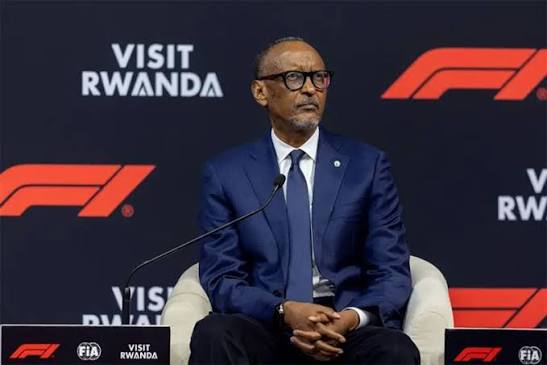
Rwanda has consistently denied supporting armed groups in Congo. Its government has said it remains prepared to implement the Washington Accords, while arguing that the DRC has not fulfilled commitments concerning the neutralisation of the Democratic Forces for the Liberation of Rwanda (FDLR), an armed group operating in eastern Congo.
The Congolese government welcomed the latest US measures and called on Rwanda to honour the peace agreement and withdraw its troops. Meanwhile, M23 continues to control territory in the mineral-rich eastern region, where the conflict has contributed to displacement, insecurity and a severe humanitarian crisis.
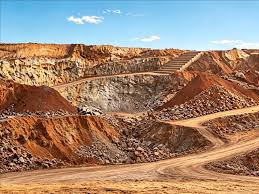
The economic implications could extend beyond the immediate targets. By highlighting alleged links between armed groups, financial networks and mineral trading, Washington is also urging businesses to examine supply chains involving gold and coltan from conflict-affected areas.
Whether the sanctions help secure a lasting ceasefire will depend on their enforcement and the willingness of the parties to meet their commitments. Continued fighting could undermine regional trade, investment and efforts to develop transparent mineral supply chains across the Great Lakes region.