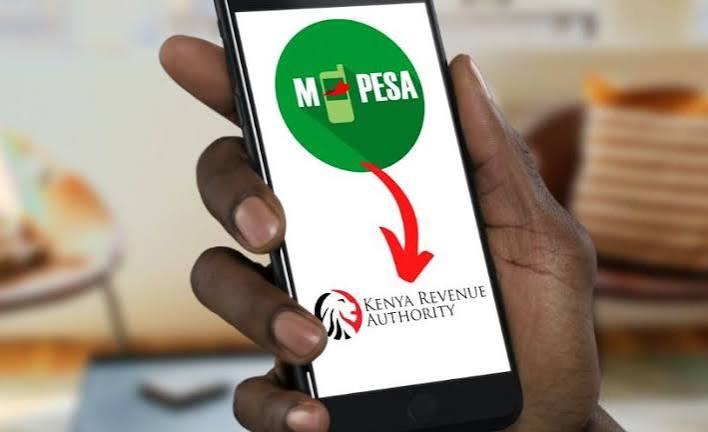
The Kenya Revenue Authority (KRA) is in talks with Safaricom to let M-Pesa issue electronic tax invoices on behalf of small and micro traders who receive payments through M-Pesa tills and paybills, in a move that would widen the taxman’s view of informal-sector sales and make it easier for small suppliers to sell to big companies.
Under the proposal, Safaricom would generate the invoices on the electronic tax invoice management system (eTIMS) for each business payment and send them to the KRA. This would give the tax authority a wider view of transactions among small traders who are largely outside the tax net. No start date has been announced, and the talks have not yet produced an agreement.
The proposal responds to a problem that has frustrated small businesses since eTIMS became mandatory for most business-to-business deals. Large firms need electronic invoices in order to claim expenses such as utilities, office supplies and repairs, and many have dropped small suppliers who cannot issue them. Micro traders often lack the skills or equipment to use the system. If M-Pesa generates the invoices, the burden falls on neither the small trader nor the large buyer.
The KRA is also looking at similar arrangements in the tea, sugar and coffee value chains, which depend on many small farmers as suppliers.
The talks follow a series of moves aimed at the same group of taxpayers. Earlier this year, the KRA opened a crackdown on small traders who change their M-Pesa till or paybill numbers to avoid leaving a trail of transactions, and it began sending targeted messages to traders whose payments had been detected, urging them to regularise their tax status.
In May, the authority’s Commissioner for Micro and Small Taxpayers, George Obell, said the KRA was building a virtual electronic tax register that would let businesses issue invoices automatically at the point of sale through digital payment platforms. He stressed that personal transfers between individuals would not be monitored and that the focus was on payments through paybills, tills and other merchant channels.
Current rules require businesses with annual turnover of more than Sh5 million to issue eTIMS invoices. Where a buyer purchases from a small trader below that threshold, the buyer must raise a buyer-initiated invoice through the KRA’s eCitizen platform.
Privacy advocates have raised concerns about increased digital monitoring of payments, and the KRA has said existing laws already require businesses to issue eTIMS-compliant invoices and file returns.