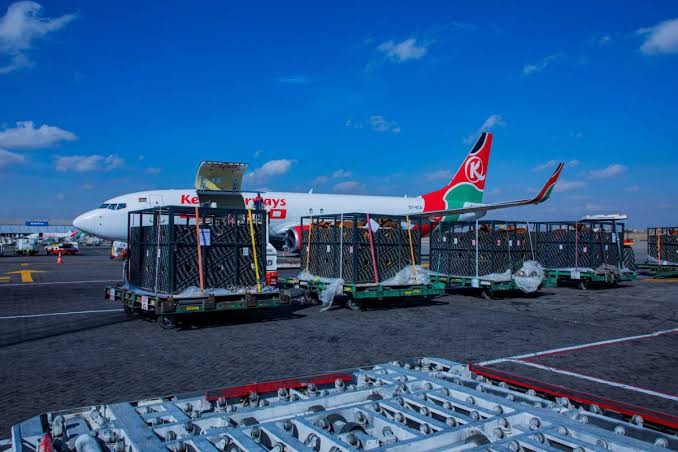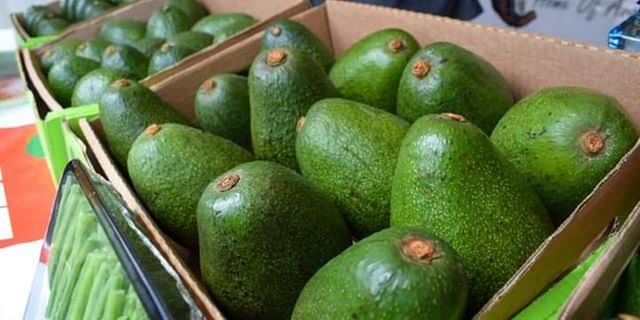
Kenya will stop sea shipments of four avocado varieties from Friday, October 30, 2026, after the Agriculture and Food Authority (AFA) found that current production is too low to support exports by sea, a move that leaves exporters to rely on more expensive air freight for the 2026/2027 season.
In a notice dated Wednesday, October 28, AFA Director General Calistus Efukho said a countrywide survey by the authority’s Horticultural Crops Directorate in major growing areas showed that volumes were insufficient. The survey also assessed current production patterns and forecasts for the next main season. The closure affects the Hass, Fuerte, Pinkerton and Jumbo varieties.
Air exports will continue, but only subject to inspection by the directorate and the provision of traceability details for every consignment. The authority says it will keep monitoring avocado maturity in the main growing areas and issue more guidance depending on conditions. It has not said when sea shipments may resume.
The closure also reaches the avocado oil industry. Processors have been told to stop harvesting for the season, and those holding oil stocks intended for export during the closure must seek verification from the directorate by Monday, November 2, through directorhcd@afa.go.ke. AFA has also suspended imports of avocado fruit for oil processing, to prevent anyone harvesting immature local fruit and passing it off as imported produce.
In a separate directive, Efukho warned mango exporters against mixing mango consignments with avocados for sea shipment during the closure. He said the practice, which some traders have been using to get around the restriction, breaches the Horticultural Crops Regulations, 2020. Exporters and processors who break the rules risk losing their licences, and AFA says it will not issue export permits for consignments prepared in violation of the directives.
The decision is a blow for exporters who depend on cheaper shipping to reach European and Middle Eastern markets, since air freight costs much more and can squeeze margins. It comes as the government is trying to expand horticulture, which a recent World Bank diagnostic named as one of the sectors with the biggest potential to create jobs and attract private investment, along with medical consumables and tourism. Industry groups have often warned that harvesting immature fruit damages Kenya’s reputation in export markets.