Kenya is tapping only about 10 percent of the export potential created by its duty-free, quota-free access to the European Union (EU) under the Economic Partnership Agreement (EPA), the Kenya Association of Manufacturers (KAM) said at the launch of the Kenya-EU Export Catalogue 2026 in Nairobi, as the lobby and the government push local firms to take up more of the market.
KAM said exports to the EU have increased in the two years since the EPA took effect on July 1, 2024, but that this still represents only a fraction of what is possible. Before the agreement, Kenyan goods faced EU import duties that made them more expensive than products from countries with preferential access. Kenya exported goods worth $1.85 billion to Europe in 2024, according to figures cited at the launch.
The catalogue, launched at the Serena Hotel by KAM together with the government and private sector partners, is meant to connect Kenyan producers with European importers by listing available products, potential markets and export requirements.
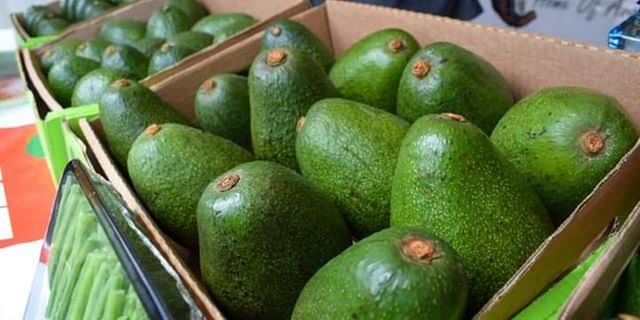
It sets out what agricultural exporters need, including phytosanitary certification, good agricultural practices and traceability. KAM said it aims to broaden Kenya’s export base beyond traditional agricultural products, drawing attention to manufactured goods and services.
Trade Principal Secretary Regina Ombam told businesses that duty-free and quota-free entry is already secured and that the private sector must aggressively target the remaining 90 percent of the EU market that Kenya has not yet reached. She said the catalogue gives Kenyan diplomats a concrete tool to market Kenyan goods, tackle non-tariff barriers and turn trade agreements into actual export deals.
Trade Secretary Michael Mandu said the government would help manufacturers use the market access, and KAM Chief Executive Tobias Alando said the catalogue turns framework agreements into tangible opportunities for firms and young job seekers.
The EU is Kenya’s biggest export destination outside the East African Community, accounting for about 21 percent of annual exports, and its second-largest trading partner. Kenya’s main exports there are horticultural produce, including cut flowers, vegetables and fruits, as well as tea and coffee. Total goods trade with the bloc reached about €3.1 billion in 2025.
The catalogue is part of a 10-year EPA Implementation Strategy launched in July, which aims to help micro, small and medium enterprises meet European technical standards, labelling rules and sustainability requirements. Officials said at the time that they want to double trade with the EU within five years. A legal challenge over whether the agreement complies with East African Community rules remains in the background.