The Trump administration is drafting a ban on imports of new Chinese optical transceivers used inside US data centres. Microsoft and trade groups, including the Information Technology Industry Council, have pressed the administration to halt the plan, warning it could slow the data-centre rollout. The FCC could still modify or shelve the restriction, and officials aim to publish it before the end of 2026.
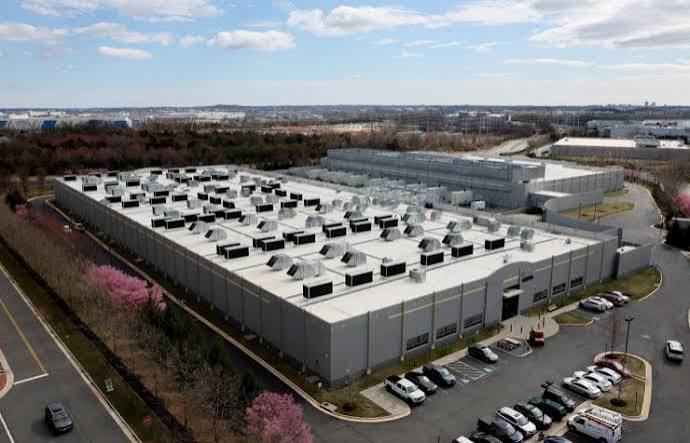
Optical transceivers convert electrical signals into light so data can travel through fibre-optic cables at high speed inside data centres. Their role is technical, but they are critical to the systems that train and run artificial intelligence models.
The proposed ban would cover new models of Chinese-made transceivers, and officials say the aim is to stop Chinese firms from stealing data, installing malware or disrupting service at US facilities.
Proposed ban on Chinese transceivers
The main target is Innolight, a Chinese maker that holds about 27 percent of the global data centre transceiver market, according to Counterpoint Research, and which generates about 90 percent of its revenue outside China.
Innolight was added to the Pentagon’s list of alleged Chinese military-linked companies in June. China as a whole has about two-thirds of the global optical transceiver market.
The cost risk falls on US cloud providers. A ban would push buyers such as Amazon Web Services, Microsoft Azure and Google Cloud towards US suppliers Coherent and Lumentum, which lack the scale to replace Chinese vendors quickly.
Impact on US cloud providers
Experts warn that higher costs, longer procurement lead times and slower construction could follow. Coherent and Lumentum shares rose sharply when the draft was reported.
Industry pressure is building. Reuters reported that Microsoft has been urging the administration to halt the plan. The company has 35 US data centres under construction and 134 planned, according to Cleanview.
The Information Technology Industry Council wrote to the FCC on August 13 asking it not to add transceivers to a trade blacklist, warning that supply disruptions could slow deployment. Reuters says the lobbying comes from a group of companies and trade groups.
The administration’s record is mixed. Reports show in February that the Commerce Department had shelved a group of import restrictions on China, including one targeting Chinese data centre equipment. Morgan Stanley’s October client note said the administration was considering curbs on transceivers capable of 3.2 terabits per second, a product whose production is not expected to ramp up until 2028.
Political implications of the ban
The politics of data centres also cut the other way. President Trump has argued that a backlash against data centres risks handing China the advantage in AI.
In an August post he warned that anti-data-centre sentiment was “a Golden Goose” being killed, and Data Center Watch counted at least 75 projects blocked or delayed by local objections in the first quarter of 2026.
China has said it will take all necessary measures against any ban that causes material harm to its interests, and has said it will continue to defend the lawful rights of Chinese companies.
The next signals will be whether the FCC publishes a proposed rule, whether it grants exemptions for non-Chinese suppliers, and how China responds. Cloud operators will be watching for any change to the timetable before construction schedules are affected.