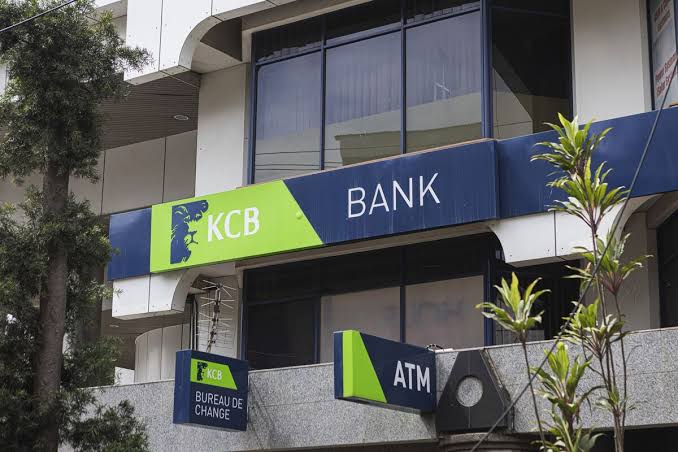
KCB Group’s profit after tax rose 23.9 percent to KSh58.6 billion in the nine months to September 30, 2026, from KSh47.3 billion a year earlier, according to results published on November 18, 2026. Growth was driven by higher lending, increased transaction volumes and fee income, along with lower bad-loan charges. Regional subsidiaries contributed about a third of group earnings.
KCB Bank Kenya, the group’s flagship, grew its net profit 20.7 percent to KSh40.8 billion over the period. The rest of the group, made up of subsidiaries in Burundi, South Sudan and Uganda along with KCB Investment Bank, lifted its earnings 24.3 percent to KSh19.6 billion. That subsidiary contribution, about a third of group profit, shows how much the regional network now matters to the bottom line.
Mobile lending was a major driver. KCB reported that mobile loan disbursements rose 26 percent to KSh492 billion over the nine months. These are short-term loans issued on a mobile phone, and they have become an important source of growth for Kenyan lenders as digital borrowing expands.
Management credited the result to rising transaction volumes, regional expansion and tighter cost control. Group chief executive Paul Russo and chairman Joseph Kinyua have pointed to disciplined credit risk management and the rehabilitation of distressed facilities as supports for earnings. Lower impairment charges helped the bottom line as bad loans fell.
The group’s first-half figures show the same direction. KCB reported profit before tax of KSh49.3 billion for the six months to June 2026, up 20.8 percent, while total income rose 9.5 percent to KSh108.1 billion. The nine-month result therefore points to continued momentum in the second half of the year.
Sustainability lending is also expanding. KCB disbursed KSh20.8 billion in green loans in the third quarter and screened KSh451 billion of loans under its environmental and social due diligence framework in the first nine months of 2026. KCB Foundation says its livelihoods programmes supported more than 55,000 jobs over the same period.
Recognition has followed. KCB was named Kenya’s Best Bank by Euromoney and Best Banking Group at the World Finance Banking Awards, and it was featured in the Financial Times’ list of Africa’s fastest-growing companies for 2026.
Commentary has linked the result to a falling interest-rate environment. Kenya Today noted that growth came despite lower interest rates, which usually squeeze lenders’ margins, and that fee income and lower loan-loss charges offset the pressure. That mix is worth watching if rates keep falling.
The next signals will be the full-year results for 2026 and whether the mobile lending and regional growth can be sustained. Investors will also watch whether the bank keeps asset quality improving as its loan book expands.