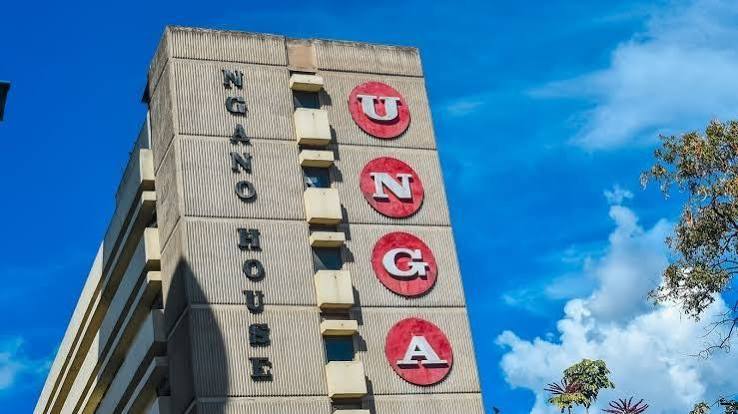
Unga Group’s borrowings from NCBA Bank rose to Sh3.57 billion in the year to June 2026, up from Sh1.8 billion a year earlier, according to its annual report. NCBA provides all of the miller’s bank loans. The company attributes the increase to rapid growth, larger raw-material stocks and higher receivables tied up in the business.
Unga’s annual report shows the miller grew sharply in the year, but its cash needs grew faster. Revenue rose 16.5 percent to KSh30.45 billion, from KSh26.13 billion a year earlier. Net profit more than doubled, rising 82.2 percent to KSh404.56 million, helped by higher sales volumes, better operating efficiency and lower financing costs.
Financial performance overview
Working capital absorbed the gains. Net operating cash flow swung to a deficit of KSh1.48 billion, from an inflow of KSh655.94 million in the previous year. The company said the swing reflected investment in the business, and the balance sheet shows where the money went.
Unga says it held larger raw-material stocks as a buffer against port disruption and longer import times. Holding more grain and other inputs protects production, but it locks up cash that would otherwise be available for operations or repayment. The report also cites higher receivables, which means more sales are being made on credit and collected later.
Impact of inventory management
According to the brief, unpaid invoices rose to KSh4.53 billion and stocks reached KSh5 billion by June 2026. Those balances help explain why the borrowings rose so sharply. I could not verify these figures against the annual report, so readers should check them before relying on the numbers.
NCBA’s role is significant. In 2024, NCBA bought Unga’s KSh860 million loan portfolio from Absa Bank Kenya, after restructuring it at a higher margin of the Central Bank Rate plus 6.35 percentage points. At that time, Unga’s total bank loans were about KSh2.3 billion. The current report indicates that NCBA is now the miller’s sole bank lender.
Risks of lender concentration
Concentration carries risk. A single lender supplying all bank debt gives the miller simpler negotiations, but it also means any change in NCBA’s appetite or pricing directly affects Unga’s funding. NCBA is also undergoing a major shareholder change after Nedbank’s acquisition of a 66 percent stake.
Unga has also kept shareholders waiting. It has not paid a dividend for the year to June 2025, and the board has said it will keep cash to sustain the recovery.
Future outlook for investors
The next signals will be the half-year results for the period to December 2026, the trend in stocks and receivables, and whether operating cash flow turns positive. Investors will watch whether the miller can convert its strong profits into cash without relying more heavily on borrowing.