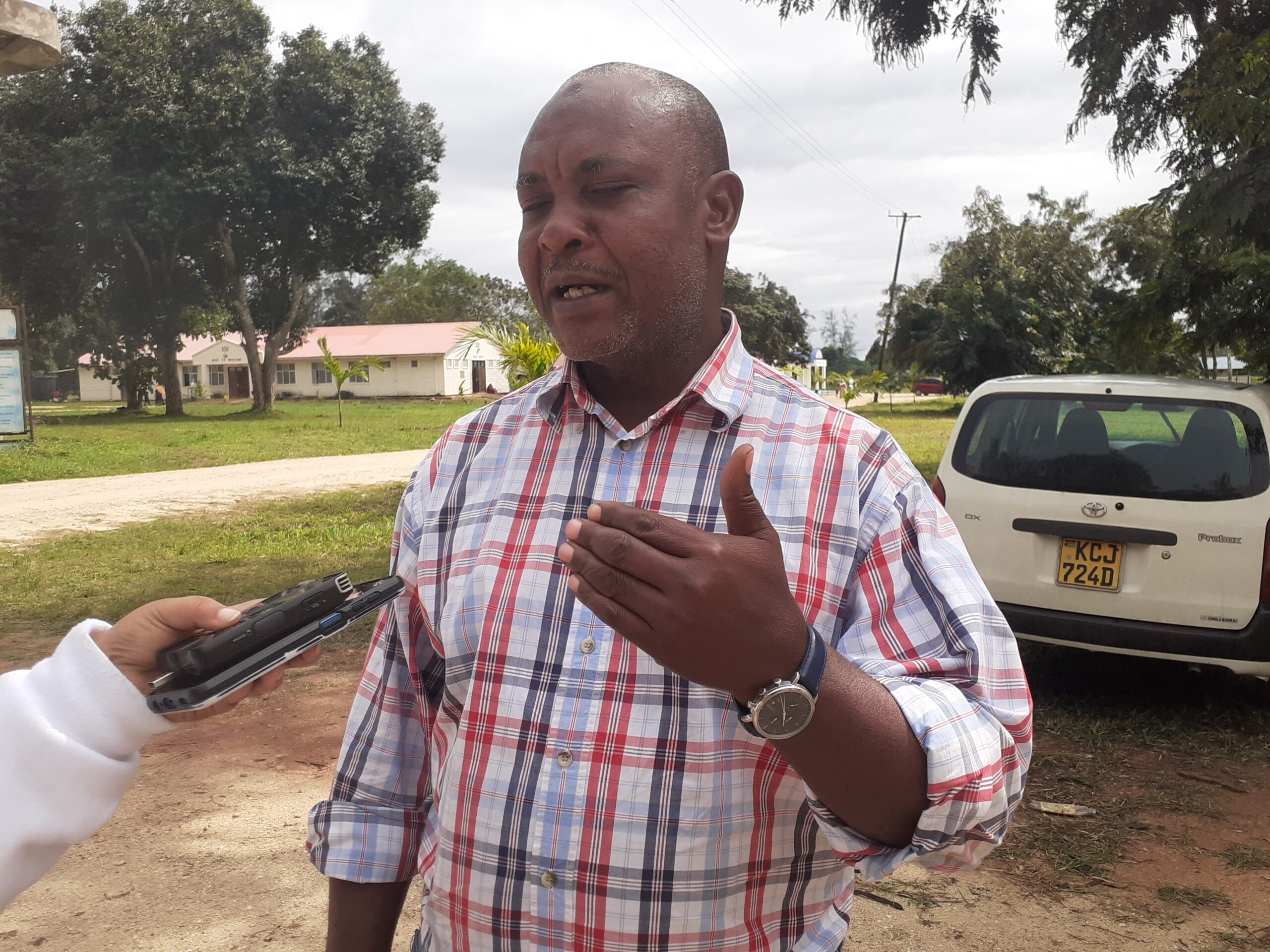
A deadly cholera outbreak has struck Kwale County, resulting in the tragic loss of three lives, including that of a four-year-old child, health officials have confirmed. The outbreak has raised alarms among health authorities as they scramble to contain the spread of the disease. Mohamed Said, the county’s Epidemic Response Officer, reported that 48 suspected cases have been identified, with laboratory tests confirming four positive cases. A worrying aspect of the outbreak is its cross-border link, as eight of the suspected patients are Tanzanian nationals.
Overview of the cholera outbreak
The presence of Tanzanian nationals among the suspected cases highlights the interconnectedness of the region. Many Tanzanians reside in Vanga, a town in Kwale County, due to business and family ties, which heightens the risk of cholera spreading across borders. “Out of the 48 cases, eight were Tanzanians. Many live in Vanga for business and family ties, which increases the risk of spread,” said Said. This situation underscores the challenges faced by health officials in managing diseases that do not respect geographical boundaries.
Cholera outbreaks in Kwale are not uncommon, often originating from border areas such as Tsunza and Lutsangani, and sometimes spreading from Changamwe and Port Reitz in Mombasa County. The region's proximity to Tanzania, which has been grappling with recurring cholera infections since 2024, exacerbates the situation. Said noted that between April and May, several patients arrived from Tanzania, seeking treatment in Kwale. “In March, we began receiving Tanzanian patients at Vanga and Jego health centers. Severe cases were referred to Lunga Lunga Hospital,” he added.
Challenges of cross-border transmission
While health authorities assert that the situation is under control, Said cautioned that the region is not yet out of danger. In response, the county government, in collaboration with Plan International, is set to launch a comprehensive sensitization campaign. This initiative aims to educate health workers, school children, and families in high-risk areas about cholera prevention. “We’re training frontline health staff, visiting schools to educate children about safe water, and teaching communities how to prevent infections,” said Said. The campaign will also involve community elders, village heads, chiefs, and assistant chiefs to ensure long-term prevention measures are implemented effectively.
Response and prevention efforts
The outbreak in Kwale serves as a stark reminder of the importance of cross-border cooperation in disease prevention and control. As health officials work tirelessly to curb the spread of cholera, the involvement of local communities and international partners is crucial in safeguarding public health and preventing future outbreaks.