Stockbrokers and investment banks could earn up to Sh7 billion in commissions from facilitating large block trades worth Sh367 billion, involving blue-chip shares including Safaricom, NCBA Group and Kenya Pipeline Company. The estimate is an upper bound, and the actual fees depend on the commission rates applied to each transaction.
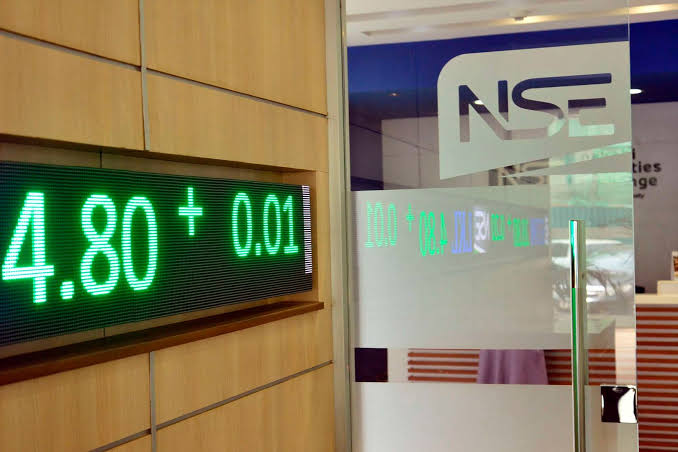
Block trades are large private transfers of shares executed through the Nairobi Securities Exchange’s Block Trade Board, which was set up in 2023 for sales worth more than Sh3 billion and representing at least 5 percent of an issuer’s shares. Brokers that arrange these trades earn commissions, so a surge in such deals lifts their revenue quickly.
The Safaricom transaction shows how large the fees can be. The Sh204.3 billion sale of the government’s 15 percent stake to Vodacom was executed as a block trade of 6.01 billion shares at Sh34 each, the largest single deal ever on the bourse.
Industry sources told Business Daily that KCB Investment Bank and SBG Securities each earned about Sh2 billion for their role, with each receiving a commission of about 1 percent from its client.
The rules set the ceiling. Stockbrokers can charge a commission of up to 1.78 percent on transactions, and the NSE and Capital Markets Authority also take a levy of 0.12 percent on each transaction, while the Central Depository and Settlement Corporation charges 0.08 percent. Large deals are often executed at discounted rates, which means the headline fees depend heavily on negotiated terms.
Turnover has surged. Equity turnover on the NSE reached about Sh395 billion in the nine months to September 2026, with the Safaricom block trade accounting for roughly half of that total. Equity turnover had been only Sh56 billion in the first half of 2025, so the gap shows how much activity has been concentrated in a few large transactions.
Brokers’ earnings have grown with the market. Stockbrokers reported a 73 percent rise in commissions to Sh2.76 billion in the first half of 2026, but higher operating costs, which rose from Sh2.1 billion to Sh5.2 billion, offset part of the gain at the net profit level. Brokers therefore earn more, but not all of it reaches the bottom line.
The NCBA transaction contributed to the wave. Nedbank’s acquisition of 66 percent of NCBA was settled through a block trade of 1.087 billion shares on November 3, lifting that day’s equity turnover to Sh107.7 billion. Kenya Pipeline’s IPO and the Mansa X funds’ growth also boosted brokers and investment banks in the first half.
Concentration matters. A small number of firms handled most of the largest transactions, and the top brokers accounted for the bulk of trades in some months. Analysts say the windfall is tied to a few exceptional deals, so brokers’ earnings may not stay at these levels once the big transactions are complete.
The next signals will be the brokers’ interim results, the value of block trades on the NSE, and whether a sale such as Diageo’s planned exit from East African Breweries reaches the block trade board. Investors will also watch whether the commission boom feeds into lower trading costs or stays with the brokers.