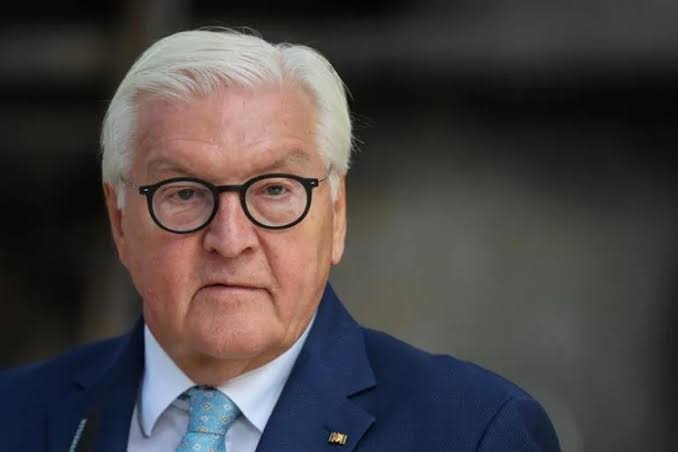
German President Frank-Walter Steinmeier will be in Nairobi on Wednesday, November 25, 2026, as part of a five-day African tour with a German business delegation. The trip, which runs from November 22 to 26, includes Côte d’Ivoire and Ghana, and in Kenya Steinmeier is expected to meet President William Ruto at State House. The visit comes as Germany’s largest union, IG Metall, calls a fresh 24-hour strike in a pay dispute at home.
The trip is Steinmeier’s eleventh and final tour of Africa as federal president, a term he has served since March 2017. Business and economic cooperation is central to the agenda.
The visit is intended to broaden ties in renewable energy, technical and vocational education, labour migration and the recruitment of skilled workers, areas where Nairobi and Berlin have been working together.
In Kenya, Steinmeier’s programme includes talks with Ruto and visits to technology and healthcare initiatives.
Reports say the visit covers Nairobi and Naivasha, and includes a visit to a mobile hospital operated by Zuri Health at Tatu City on Wednesday morning. The German side will also meet civil society representatives during the stay.
The business delegation is a central feature. German representatives from major corporations and medium-sized enterprises will explore investment and trade opportunities, reflecting Berlin’s interest in expanding commercial partnerships in East Africa. German companies have a long presence in Kenya’s manufacturing, engineering and services sectors.
Before Nairobi, the trip includes Côte d’Ivoire and Ghana. In Ghana, Steinmeier is expected to meet President John Dramani Mahama and open the German-African Business Summit in Accra on November 24. The tour is a sign of Germany’s push to deepen commercial ties across the continent as competition for African markets increases.
At home, IG Metall is escalating a pay dispute in the metal and electrical industries. The union’s executive board approved 24-hour warning strikes on November 12, moving beyond the short stoppages of earlier weeks. Reports say the union is calling new 24-hour strikes for the coming week, with car and shipyard workers among those targeted. Employers have not accepted the union’s demands, and no fourth round of negotiations had been agreed when the escalation was announced.
Union members who take part in the strikes receive strike pay from IG Metall to compensate for lost wages. The dispute has affected major manufacturers, including agricultural machinery makers, and the union says its members are voting in workplaces on the next round of action.
The next signals will be the outcome of Steinmeier’s talks in Accra and Nairobi, any trade or investment agreements announced during the visit, and whether IG Metall’s strikes lead to renewed negotiations with employers. Investors in both countries will watch how the trip and the labour dispute affect German industry’s outlook.