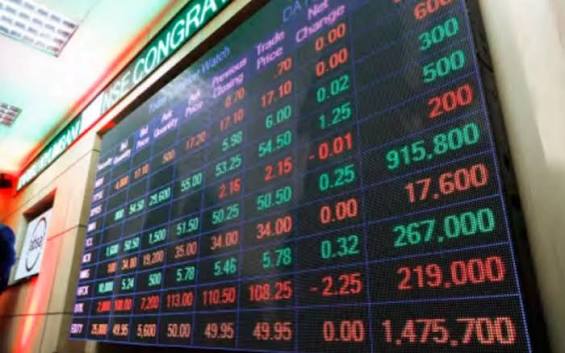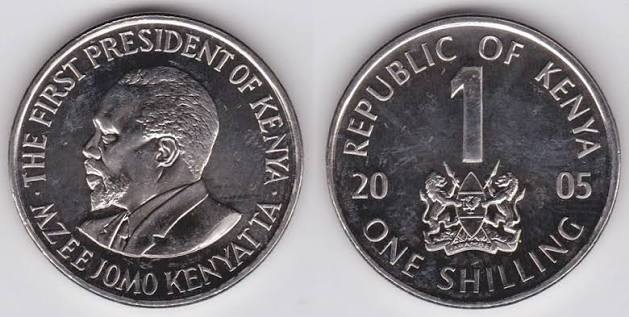
The Kenyan shilling traded at Sh129.96 to the US dollar on Tuesday, October 27, 2026, according to the Central Bank of Kenya’s (CBK) daily exchange rates, edging closer to the Sh130 mark but still holding within the narrow range it has kept all month.
That is seven cents weaker than the Sh129.89 quoted on Friday, October 23, and the weakest level among the CBK rates reported this month. It compares with Sh129.71 on October 1 and Sh129.76 on October 5. The CBK’s weekly bulletin said the shilling remained stable against major international and regional currencies in the week ending October 22, when it traded at Sh129.91 against Sh129.81 a week earlier.
Against other major currencies, the shilling was stronger. The British pound was quoted at Sh173.26, down from Sh173.58 on Friday, while the euro eased to Sh145.10 from Sh145.34. The Japanese yen fell to Sh82.43 per 100 yen from Sh82.62, and the South African rand slipped to Sh7.80 from Sh7.86, so each unit of these currencies now buys fewer shillings.
In the region, one Kenyan shilling bought 34.58 Ugandan shillings, up sharply from 33.14 on Friday, which means the shilling gained against the Ugandan currency. It bought 20.38 Tanzanian shillings, compared with 20.36, and 11.35 Rwandan francs, compared with 11.36.
The currency continues to draw support from a solid cushion of foreign exchange reserves. The CBK reported reserves of $14.693 billion on October 22, equivalent to 5.9 months of import cover, above the statutory minimum of four months. That is little changed from $14.689 billion a week earlier, though lower than the $15.042 billion, or 6.1 months of cover, recorded on September 24.
The Monetary Policy Committee left the Central Bank Rate unchanged at 8.75 percent earlier this month, saying the stance is appropriate to keep inflation expectations anchored and the exchange rate stable. Inflation stood at 6.8 percent in September, within the CBK’s target range of 2.5 percent to 7.5 percent. The Kenya Shilling Overnight Interbank Average (KESONIA) has remained steady at 8.75 percent.
Higher global oil prices are one risk to watch, since Kenya’s import bill is sensitive to fuel costs and a bigger bill can put pressure on demand for dollars.