Principal Secretary for Industry Juma Mukhwana says the government is banking on more electricity generation and better road and rail links to boost manufacturing and exports, with planned nuclear power expected to lift the energy supply that factories depend on.
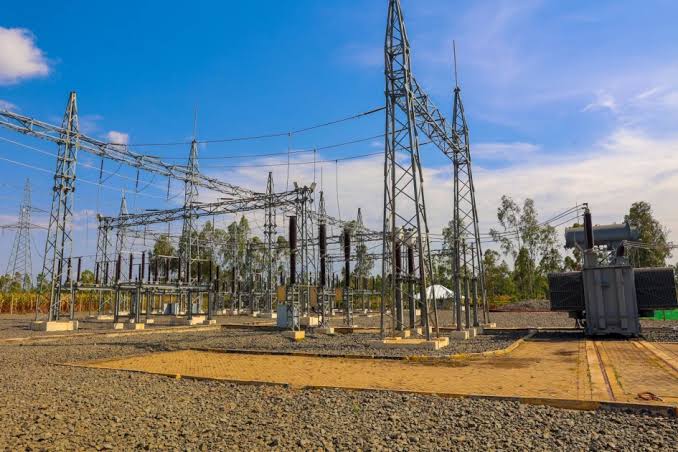
Mukhwana said the planned nuclear plant could increase electricity supply and support industrial growth and production. Kenya announced its nuclear programme in March, targeting construction of its first plant in Siaya County from 2027 and commissioning in 2034, at an estimated cost of about Sh500 billion.
Officials have given different capacity figures, ranging from 1,000 to 3,000 megawatts. The government has said it wants to raise national capacity from about 3,300 megawatts to 10,000 megawatts within five to seven years, and has described nuclear power as baseload energy for industry.
On transport, the PS said road expansion, including the railway extension, will ease the movement of goods from factories to the Port of Mombasa for export. He has made similar remarks recently, saying the Standard Gauge Railway, major roads and the port should link factories to suppliers, workers and markets, and warning that a railway without industrial cargo is a missed opportunity. Earlier, on a visit to factories in Athi River, he acknowledged that poor feeder roads were hurting investors and said the government would work with Machakos County to repair them.
Mukhwana added that partnerships between government, industry and academia will help manufacturers produce affordable goods and grow the sector. Such links are meant to help firms access research, skills and new technology, so that they can lower costs and compete better with imports.
The government’s push comes as manufacturing has failed to grow as quickly as planned. Its share of the economy has stayed below 10 percent for a decade, well below the 15 percent that the Kenya Kwanza manifesto promised by 2025.
Manufacturers regularly cite high electricity costs, unreliable supply and expensive transport as major obstacles, and Kenya imports some of its power from neighbouring countries.
The nuclear programme has also faced questions. Critics point to unresolved financing, contested community consent in Siaya and a history of missed timelines, with no vendor yet selected according to reports from earlier this year. Mukhwana has urged Kenyans to assess major industrial projects on their economic merits rather than through partisan politics.