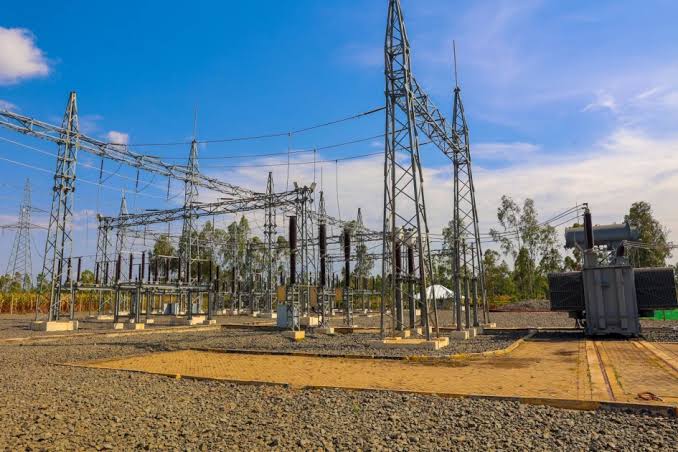
The Kenya Electricity Transmission Company (KETRACO) has announced completion of the KSh 1.2 billion Kitui–Wote electricity transmission project, strengthening the power network serving parts of eastern Kenya and providing an alternative route for electricity supply during disruptions.
The transmission link is designed to improve reliability in Kitui, Makueni and surrounding areas by allowing electricity to reach the region through more than one pathway. The additional route is intended to reduce dependence on existing infrastructure and help limit interruptions when a transmission line experiences a fault or requires maintenance.
The project forms part of Kenya’s broader investment in electricity transmission infrastructure as demand grows from households, businesses, agriculture and public services. Reliable electricity is essential for commercial activity, particularly in regions where businesses rely on refrigeration, machinery, digital services and consistent power for daily operations.
KETRACO is responsible for developing and operating high-voltage electricity transmission infrastructure, connecting power-generation facilities to distribution networks and strengthening links across the national grid.
The Kitui–Wote line has previously been reported as energised in January 2026. At the time, KETRACO said the 132-kilovolt connection was already helping improve power flows between Kitui and Wote, with electricity also moving towards Sultan Hamud. The latest completion announcement marks a further update on the project’s delivery.
The line supports what engineers call an N-1 contingency standard. Under this approach, the power system is designed to continue supplying electricity if one major component, such as a transmission line, fails. Having an alternative route allows operators to redirect supply and reduce the likelihood of widespread outages.
The arrangement is particularly important for eastern Kenya, where the existing transmission network has faced pressure from growing demand and reliance on specific supply routes. An additional connection can also provide more flexibility during planned maintenance, helping engineers carry out work without unnecessarily disrupting customers.
KETRACO has been pursuing a wider programme to expand transmission infrastructure and improve the resilience of Kenya’s national grid. The company’s long-term plans include building additional transmission lines and increasing transformation capacity to accommodate new generation sources and rising demand.
The wider network expansion is also relevant to Kenya’s renewable-energy ambitions. New transmission infrastructure can help move electricity from generation sites to demand centres and improve the system’s ability to accommodate changes in power supply.
For households and businesses in Kitui, Wote and neighbouring areas, the project’s principal benefit is the prospect of a more reliable supply rather than an immediate reduction in electricity tariffs. The actual impact on outages will depend on network operations, maintenance, demand levels and the condition of other infrastructure connected to the line.
The project highlights the importance of transmission investment alongside new power generation. Increasing electricity production alone cannot guarantee reliable supply if the grid lacks the capacity or alternative routes needed to deliver that power to consumers.