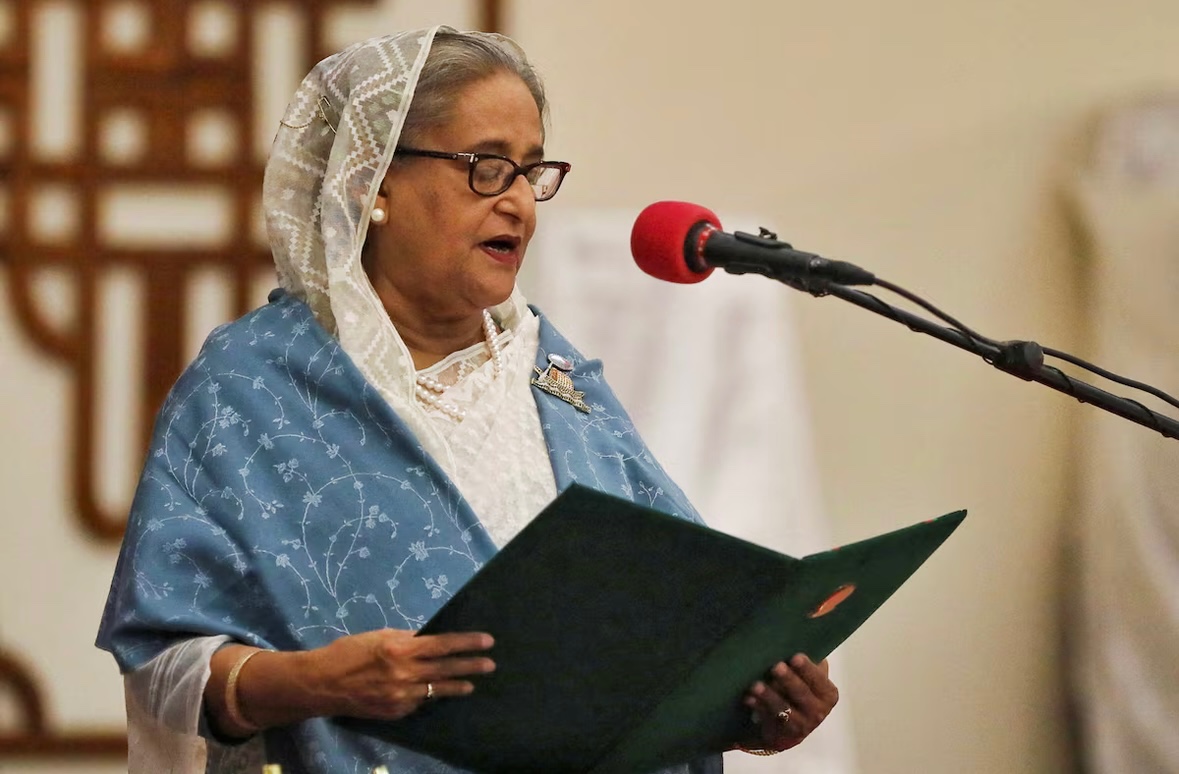
Ousted Bangladeshi Prime Minister Sheikh Hasina has formally requested a new passport and national identity card, signalling a possible return to her home country after more than two years in self-imposed exile in India.
The request, made on Monday, November 9, 2026, marks her first known direct communication of this nature since fleeing Bangladesh in 2024 following a deadly student-led uprising that brought an end to her 20-year rule.
According to a letter seen by Reuters, Hasina’s legal representatives have written to Bangladesh’s embassy in New Delhi seeking the urgent issuance of new travel and identification documents to facilitate her return.
The letter, prepared by her lawyers at London-based Matrix Chambers, was addressed to Preeti Rahman, Bangladesh’s acting high commissioner in India.
“In view of the reported revocation of her existing Bangladeshi passport and National Identity Card (NID) by the Interim Government and other authorities, I respectfully request that you take the necessary steps to issue a new Bangladeshi passport and National Identity Card for our client,” the lawyers stated.
They further asked that the applications be processed expeditiously, citing Hasina’s Bangladeshi nationality and the country’s obligations under international human rights instruments.
The development comes as Hasina signals her intention to return to Bangladesh in December, potentially setting the stage for a major political and legal confrontation.
In previous remarks to Reuters, the former prime minister said she intended to return and surrender before a court. Her aides indicated on Monday that the exact date of her return would be announced once the necessary formalities had been completed.
However, her planned return comes against the backdrop of serious legal challenges. In November 2025, Bangladesh’s war-crimes court sentenced Hasina to death in absentia after finding her responsible for ordering a deadly crackdown on protesters during the 2024 uprising.
Hasina has denied the allegations and has remained in India since leaving office. Her departure followed weeks of demonstrations led largely by students, which escalated into widespread unrest and ultimately forced her from power.
Her former political outfit, the Awami League, was once Bangladesh’s largest political party but was subsequently banned following her removal from office. Several of its senior members have since been arrested, while others have fled the country and sought refuge in India and other destinations.
Despite her political downfall, Hasina continues to enjoy support among sections of the Bangladeshi population, making her potential return a sensitive issue for the country’s leadership.
Her reappearance could deepen existing political divisions as the government works to restore stability following years of unrest and uncertainty.
The move could also have implications for Bangladesh’s diplomatic relations with India, which have been strained since New Delhi offered Hasina refuge after her removal from power.
With her legal team now seeking fresh identification documents, attention is likely to turn to whether Bangladeshi authorities will approve the request and how the government will respond to her stated intention to return.