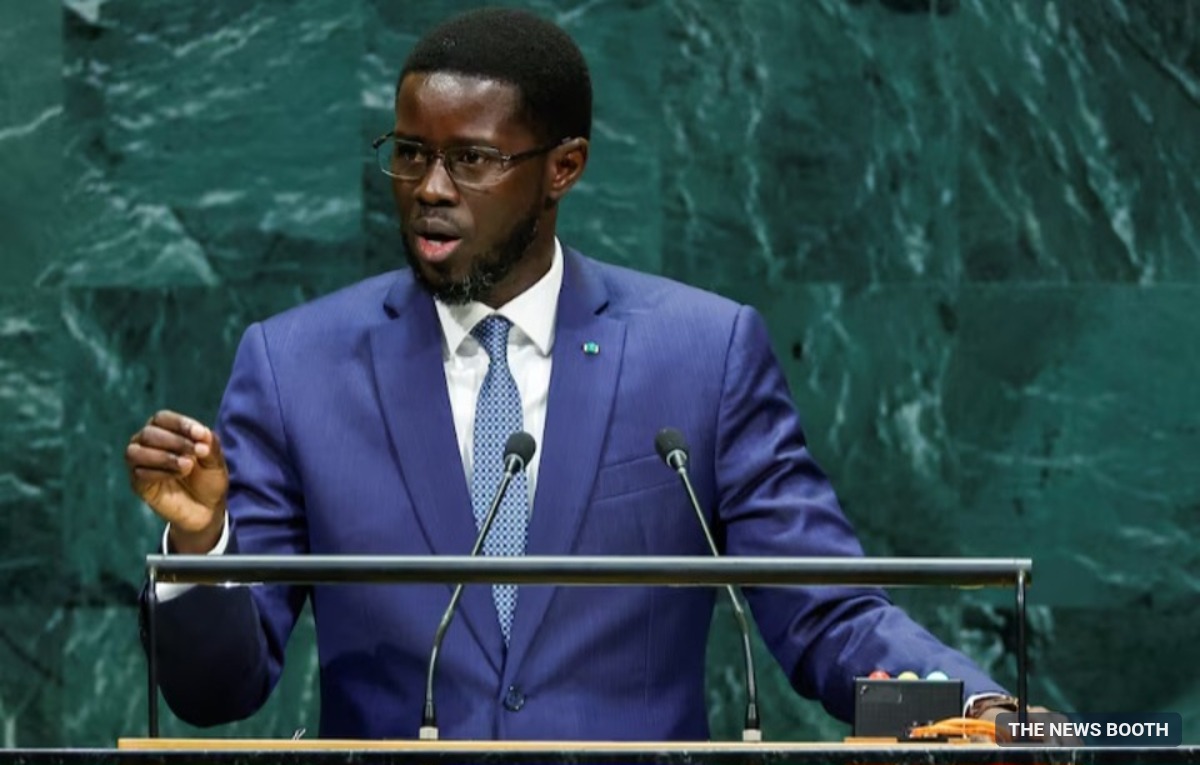
Senegal's National Assembly has adopted a resolution opposing President Bassirou Diomaye Faye's decision to implement changes to the country's 2026 budget despite lawmakers having previously rejected the revised proposals.
The resolution, passed on Wednesday, November 25, received 128 votes in favour and nine against, deepening the political standoff between the president and parliament over the management of public finances.
The dispute centres on Faye's decision last week to push through amendments to the 2026 budget by decree, effectively bypassing parliament after lawmakers rejected the revised bill.
The president defended his move by citing his responsibility as head of state to guarantee the regular functioning of government institutions.
However, members of the National Assembly, led by the ruling Pastef party, have challenged the decision, arguing that the government has not provided sufficient transparency on the country's public finances and the assumptions behind its revised budget.
The disagreement has also exposed divisions between Faye and his former Prime Minister Ousmane Sonko, who now heads the National Assembly.
Sonko's Pastef party controls parliament and has opposed both the amended 2026 budget and the proposed 2027 budget in their current form.
The growing disagreement has raised concerns over Senegal's efforts to secure a new $2.2 billion support programme from the International Monetary Fund (IMF), which remains dependent on further progress in the country's financial plans.
The programme is considered important to Senegal's strategy to restructure its growing public debt burden, although it has not yet received approval from the IMF executive board.
Before the resolution was adopted, Pastef lawmakers questioned the government's handling of public finances, insisting that more information was needed regarding the country's debt position and the assumptions used to prepare the revised budget.
The dispute has also attracted attention from financial analysts, with concerns emerging over its possible impact on Senegal's medium-term economic plans.
Morgan Stanley strategist Neville Mandimika warned on Tuesday that the budget standoff posed a significant risk to the country's fiscal strategy.
In a research note, Mandimika expressed doubts about Senegal's ability to complete its debt restructuring within 2026, stating that achieving the target would be challenging.
The parliamentary resolution marks another development in the disagreement over the government's authority to implement budget changes without legislative approval.
With parliament maintaining its opposition to the revised financial proposals, the disagreement now presents a challenge to efforts to advance the IMF-supported programme and address the country's debt burden.
The outcome of the standoff is expected to remain important for Senegal's public finances as the government and lawmakers face pressure to reach an agreement on the country's budget and economic direction.