Africa has received its first supplies of a cheaper generic HIV prevention injection expected to cost just $40 per person annually, in a development that could expand access to one of the most effective tools against new infections, particularly in countries carrying the highest burden of the disease.
The Global Fund to Fight AIDS, Tuberculosis and Malaria confirmed on Wednesday, November 25, 2026, that the first global deliveries of generic lenacapavir had arrived in Zambia, with another shipment expected in Uganda in the coming days.
Zimbabwe is scheduled to receive its first supplies in early 2027, as international health partners accelerate efforts to make the drug available across more low- and middle-income countries.
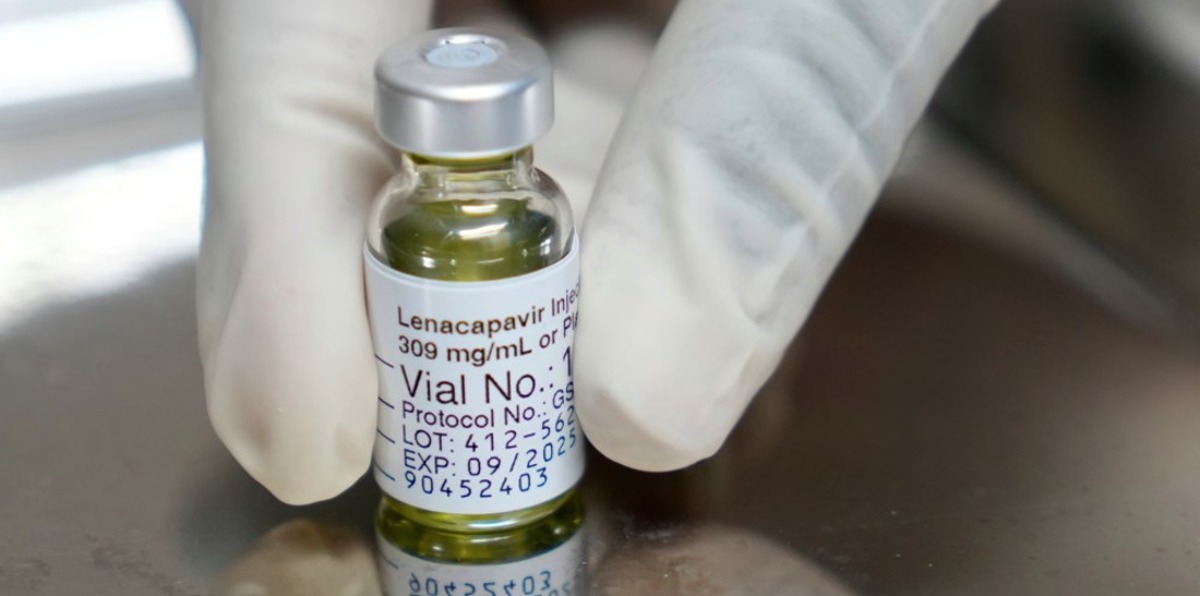
The generic version is expected to cost approximately $40 per person annually, a significant reduction from the original branded formulation developed by US pharmaceutical company Gilead Sciences, which previously cost approximately $28,000 annually in the United States.
Lenacapavir is administered through an injection twice a year and works by targeting the capsid, the protective protein shell surrounding HIV, interfering with the virus's ability to multiply and establish infection.
Unlike conventional pre-exposure prophylaxis (PrEP), which requires users to take preventive pills daily, the long-acting injection offers protection through just two doses annually, potentially addressing challenges associated with adherence, privacy and stigma.
The World Health Organization (WHO) recommended lenacapavir as an additional HIV prevention option in July 2025, following clinical trials that demonstrated near-total protection against infection among participants receiving the injection.
In the PURPOSE 1 clinical trial conducted among adolescent girls and young women in South Africa and Uganda, none of the 2,134 participants who received lenacapavir contracted HIV during the study period.
The findings highlighted the drug's potential in protecting populations disproportionately affected by new infections, particularly young women in sub-Saharan Africa.
According to the Global Fund, more than 189,000 people across 10 countries had received their first dose of lenacapavir by November 2026. The organisation expects 24 countries to have received supplies by the end of this year.
Working with the United States government, the Global Fund aims to reach at least three million people with the injection by the end of 2028. It also plans to deliver four times the volume of lenacapavir in 2027 compared with 2026, with generic production expected to increase availability.
The wider rollout comes as sub-Saharan Africa continues to account for approximately 65 per cent of people living with HIV worldwide. WHO estimates that 40.8 million people were living with HIV globally at the end of 2024, with 1.3 million new infections recorded during the same year.
Kenya is already among the African countries introducing lenacapavir for HIV prevention. The Ministry of Health received an initial shipment of 21,000 starter doses in February 2026, with a phased rollout targeting 15 high-burden counties in its first phase.
The government subsequently launched the injection on February 26, making it available free of charge to eligible individuals at selected public health facilities.
However, the latest generic shipments announced by the Global Fund are separate from Kenya's earlier rollout of the original product, with Zambia and Uganda identified as the initial destinations for the generic supplies.
The expansion also comes amid concerns over reductions in international HIV funding, particularly following changes to United States foreign assistance, which have raised questions about the sustainability of prevention and treatment programmes across Africa.
The United Nations has set 2030 as the target for ending AIDS as a public health threat, with wider access to affordable prevention medicines expected to play a critical role in achieving the goal.