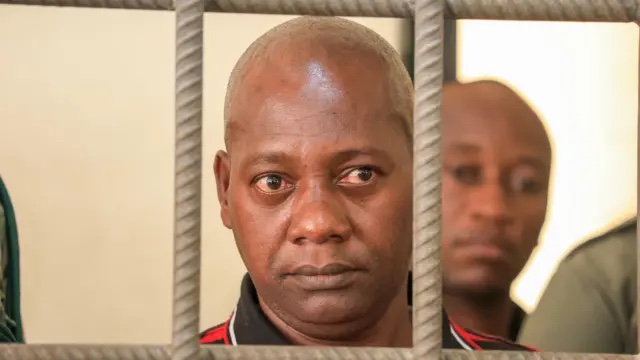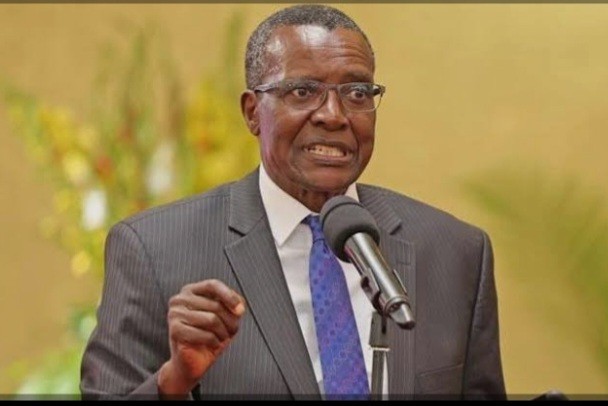
Dr. Vincent Brown, a Rwandan doctor, has been charged in a London court for his alleged involvement in the 1994 Rwandan genocide, specifically for overseeing six killings. This case is particularly notable as it represents the first instance where the United Kingdom has prosecuted an individual for participation in the ethnic violence that devastated Rwanda, claiming hundreds of thousands of lives. The charges against Dr. Brown were presented by British prosecutors, who assert that he played a significant role in the atrocities committed during the genocide.
Charges against Dr. Vincent Brown
Prosecutor Jane Stansfield, during a court session on Tuesday, underscored the severity of the accusations against Dr. Brown. She emphasized the importance of justice for the victims and survivors of the genocide, highlighting the broader implications of this case in the global fight against impunity for such crimes. The Rwandan genocide, which unfolded over a harrowing 100 days, resulted in the deaths of an estimated 800,000 Tutsis and moderate Hutus. The international community has since been actively involved in efforts to hold those responsible accountable, with various trials conducted by both international tribunals and national courts.
The prosecution of Dr. Brown in the UK is a significant development in these ongoing efforts to address the crimes of the 1994 genocide. It underscores the global commitment to ensuring that perpetrators of such heinous acts face justice, regardless of their current location. The case is expected to draw considerable attention, both in the UK and internationally, as it represents a crucial step in the broader quest for accountability and reconciliation.
Significance of the prosecution
The trial of Dr. Brown is not only a legal proceeding but also a poignant reminder of the international community's responsibility to uphold justice and human rights. It is anticipated that the outcome of this case could have lasting implications for similar prosecutions in the future, potentially setting a precedent for how other countries handle cases involving genocide and crimes against humanity. As the trial progresses, it will likely serve as a barometer for the effectiveness of international cooperation in bringing perpetrators to justice, reinforcing the message that such crimes will not go unpunished.
Broader implications for justice
In the broader context, this case highlights the enduring impact of the Rwandan genocide on global justice systems and the ongoing efforts to heal and rebuild in the aftermath of such atrocities. The pursuit of justice for the victims and survivors continues to be a vital component of the reconciliation process, both within Rwanda and across the international community.