Kenya has recorded 18 consecutive days without a new confirmed Ebola case, with six patients having recovered from the Bundibugyo virus disease outbreak, leaving only one patient still receiving treatment.
In an update issued on Friday, November 6, 2026, the Ministry of Health said the country had made significant progress in containing the outbreak, which was first confirmed on October 6, 2026, as an imported case.
The ministry confirmed that the sixth male patient had tested negative for the virus and met all the medical criteria for discharge.
He was expected to leave hospital on Friday, bringing the number of recovered patients to six.
Only one patient remains under medical care and continues to receive treatment and close monitoring.
The total number of confirmed infections remains at nine, with the ministry reporting that all cases were linked to a single known chain of transmission.
No further spread has been detected in the community.
The Ministry also reported progress in monitoring people who had come into contact with confirmed cases.
Sixty-six contacts have completed the mandatory 21-day monitoring period and returned home, while another 52 remain under quarantine and are expected to complete their monitoring by November 11, 2026.
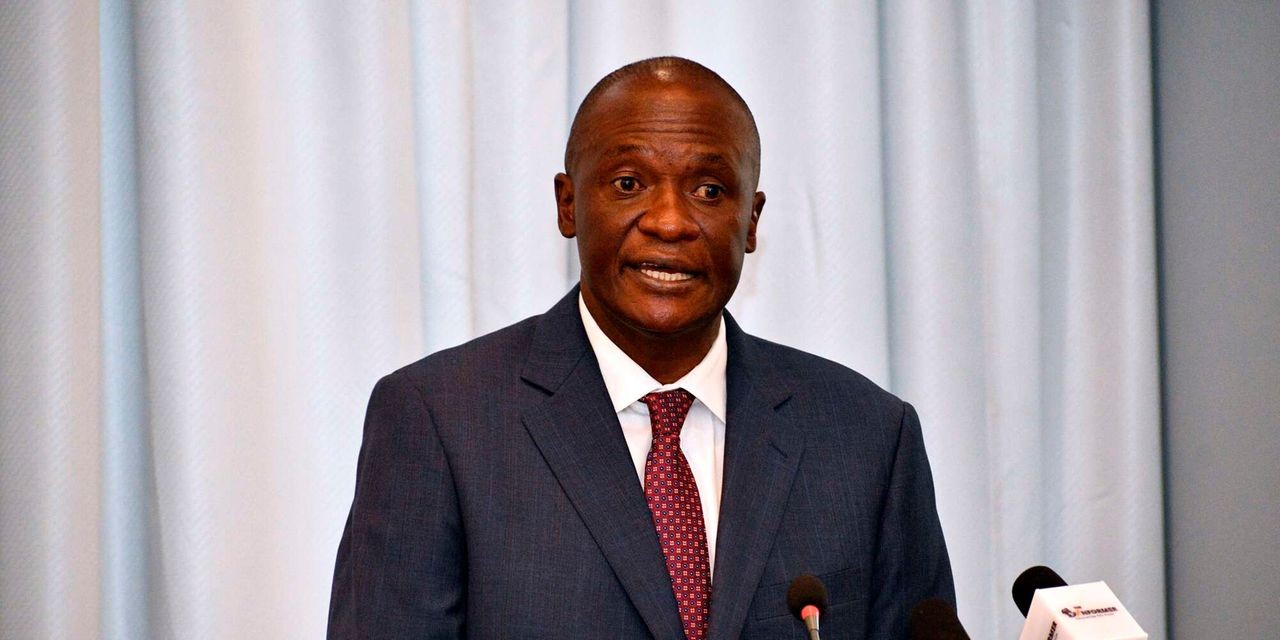
According to the Director-General for Health, Dr Patrick Amoth, the progress is a result of coordinated interventions that enabled health authorities to identify cases early, isolate and treat infected patients, trace contacts and strengthen infection prevention measures.
The ministry said every person who developed symptoms after the initial case had already been placed under quarantine, limiting opportunities for further transmission.
However, Kenya is yet to be declared free of the outbreak, with health authorities maintaining that the country must complete the internationally recognised 42-day observation period without recording a new infection.
The countdown will begin once the last patient has been discharged from the treatment centre after testing negative for the virus.
The 42-day period represents twice the longest known incubation period of the disease.
If no additional case is confirmed during that period, the outbreak will officially be declared over.
The ministry has cautioned Kenyans against becoming complacent despite the encouraging progress, noting that Ebola remains active in the region and that outbreaks in neighbouring countries could pose a continued risk.
As part of its surveillance measures, Kenya will maintain screening at all 26 designated points of entry.
More than 760,000 travellers have so far been screened since the outbreak response began.
Emergency operations centres and rapid response teams will also remain on alert across all counties as the government continues working with regional and international health partners.
Travellers entering the country have been urged to complete the electronic traveller surveillance form through the UHAI Chatbot before arrival, truthfully declare any symptoms and report illness occurring within 21 days of arrival.
The ministry has also urged members of the public to remain vigilant and seek medical attention early if they experience symptoms associated with Ebola, including fever, weakness, muscle pain, vomiting, diarrhoea or unexplained bleeding.
Kenyans have further been advised to avoid contact with the blood and body fluids of sick people, wash their hands regularly with soap and water and avoid handling sick or dead wild animals or consuming their meat.
Health authorities have also appealed to communities to welcome recovered patients and people released from quarantine without discrimination or stigma.
Dr Amoth expressed appreciation to health workers, surveillance teams, burial teams, community health promoters, public health officers, county governments, security agencies and development partners for supporting the response.
The ministry specifically acknowledged the role played by Kenyatta National Hospital and The Nairobi Hospital, alongside the World Health Organization, Africa CDC, UNICEF and the Intergovernmental Authority on Development (IGAD).
Meanwhile, the government has maintained that Kenya remains open, with no restrictions imposed on travel, trade or public gatherings as a result of the outbreak.
Members of the public have been asked to report suspected cases or seek further information through the toll-free number 719 or the Jali WhatsApp chatbot on 0700 719 719.
The ministry says surveillance and response operations will continue until Kenya completes the required 42-day period and is officially declared Ebola-free.