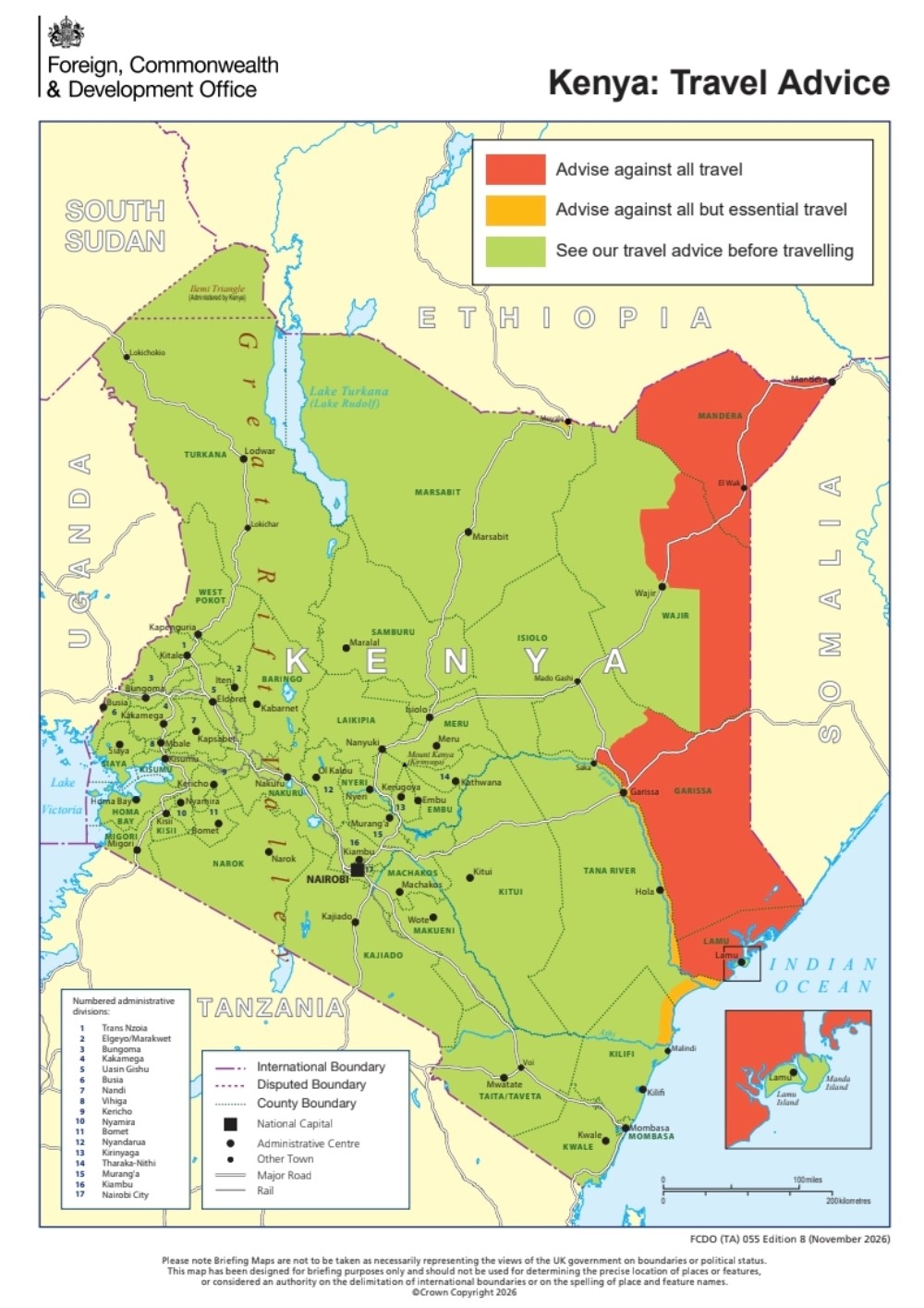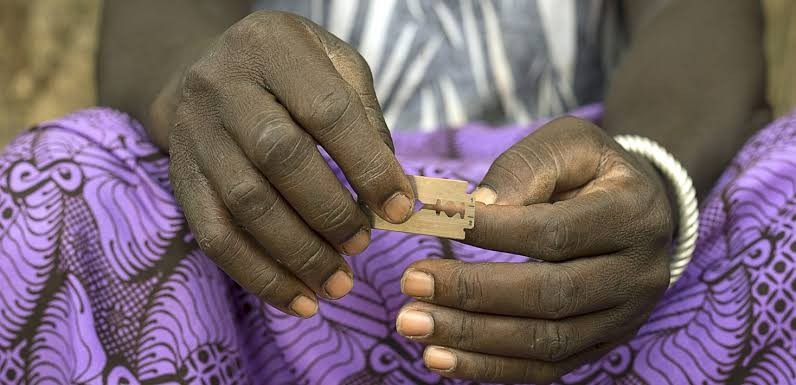
A woman has been sentenced to two concurrent three-year prison terms, or an alternative fine of KSh200,000, after being convicted of allowing her home to be used to subject four girls aged between six and 10 years to Female Genital Mutilation (FGM).
Mariam Daudi was convicted by the Kipini Mobile Court after the prosecution established that she provided her premises for the procedure to be performed on the four minors.
The victims, identified as F.S., aged six; M.I., six; R.H., seven; and R.S., 10, were the subject of the criminal proceedings prosecuted by Job Nyakundi before Magistrate Leah Wasige.
Daudi faced two charges under the Prohibition of Female Genital Mutilation Act, 2011.
These were using premises to perform FGM, contrary to Section 22, and failing to report the commission of an offence, contrary to Section 24 of the same law.
During the trial, the prosecution called seven witnesses to demonstrate Daudi's involvement and establish the circumstances surrounding the offences.
The witnesses included the four girls, a clinical officer, the Assistant County Commissioner for Kipini Division and the investigating officer, whose evidence helped the court examine the case.
When placed on her defence, Daudi called one witness, her brother, before closing her case.
After evaluating the evidence presented by both sides, the court found that the prosecution had proved the two charges against her, leading to her conviction and sentencing.
The magistrate ordered that the three-year prison terms run concurrently, meaning Daudi will serve the sentences at the same time rather than consecutively. She also has the option of paying the alternative fine of KSh200,000.
In her remarks, Magistrate Wasige said the case should serve as a lesson to members of the Orma community and other communities that continue to practise or promote FGM.
The case underscores that responsibility under the law extends beyond individuals who directly perform FGM.
Those who knowingly provide premises or other forms of assistance to facilitate the practice can also face prosecution.
Similarly, the law requires individuals to report offences rather than remain silent when they become aware of them.
FGM is a harmful practice that can expose girls to serious physical and psychological consequences, including complications that may affect their health and wellbeing throughout their lives.
The Prohibition of Female Genital Mutilation Act criminalises the practice and related conduct that enables it to take place.
The law is aimed at protecting girls and women from the procedure and strengthening accountability among those who facilitate it.
The Office of the Director of Public Prosecutions says it continues to work with law enforcement agencies and other stakeholders to protect children and vulnerable persons from harmful cultural practices and ensure those responsible are brought before the courts.
The conviction sends a warning that providing a home or other premises for FGM does not shield those involved from criminal responsibility.