President William Ruto has defended his administration's economic record following criticism over a World Bank assessment that highlighted weaknesses in Kenya's industrial incentives and raised questions about the cost of major infrastructure projects.
The November 2026 Kenya Economic Update revisited concerns over Special Economic Zones (SEZs), citing the World Bank's 2025 Public Finance Review, which found limited gains in manufacturing and exports from the proliferation of tax-favoured zones. It also warned of potential distortions over which companies qualify for SEZ registration.
The latest report noted that tax expenditures had risen to 3.38 per cent of gross domestic product, up from 2.2 per cent in 2020, increasing the importance of assessing whether tax exemptions generate sufficient economic benefits.
The concerns come as Kenya pursues SEZs as a central pillar of its manufacturing and export expansion strategy, with projects including Dongo Kundu, Naivasha and Tatu City expected to attract investment, create jobs and increase locally manufactured exports.
The World Bank also highlighted the Standard Gauge Railway (SGR), estimating that Kenya could have saved up to US$900 million, approximately KSh117 billion, in initial construction costs if the Mombasa-Nairobi line had been delivered at comparable costs to Tanzania's railway.
The report identified direct contracting instead of competitive tendering, land speculation and alleged irregularities in land titling, valuation and compensation among factors contributing to the cost differences. The comparison is an estimate of potential savings, not a finding that the entire amount was stolen.
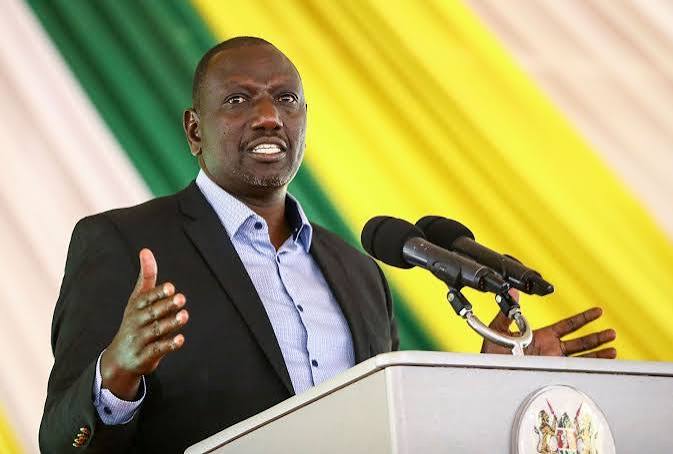
Speaking in Narok on November 15, Ruto challenged critics to read the entire 52-page report rather than concentrate on its negative findings. He said the document also recognised economic improvements and government reforms, including the eCitizen platform and electronic government procurement system.
On the SGR, the President argued that the Mombasa-Nairobi section was built under his predecessor, Uhuru Kenyatta, and said his administration was pursuing further railway extensions.
The findings raise a broader question for Kenya's industrialisation agenda: whether tax incentives and large infrastructure investments are translating into measurable production, exports, jobs and productivity gains.
For businesses and taxpayers, the issue is not simply how much government spends to attract investors, but whether the resulting economic activity justifies the incentives and public resources committed.