President William Ruto has cited higher maize production as evidence of progress in Kenya’s food security efforts, even as the government prepares to import up to 25 million bags to address an expected supply deficit.
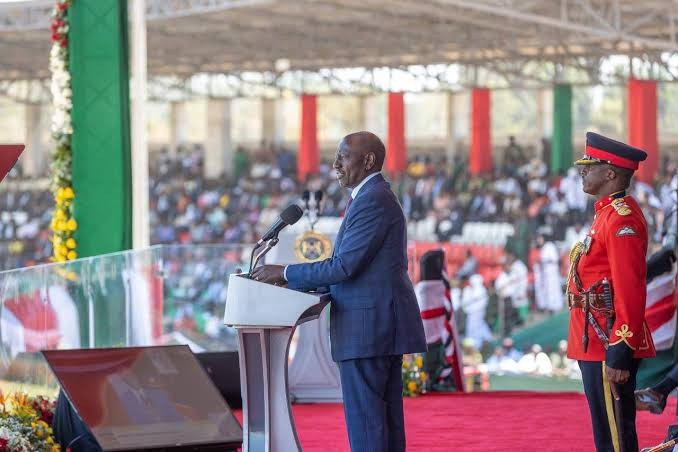
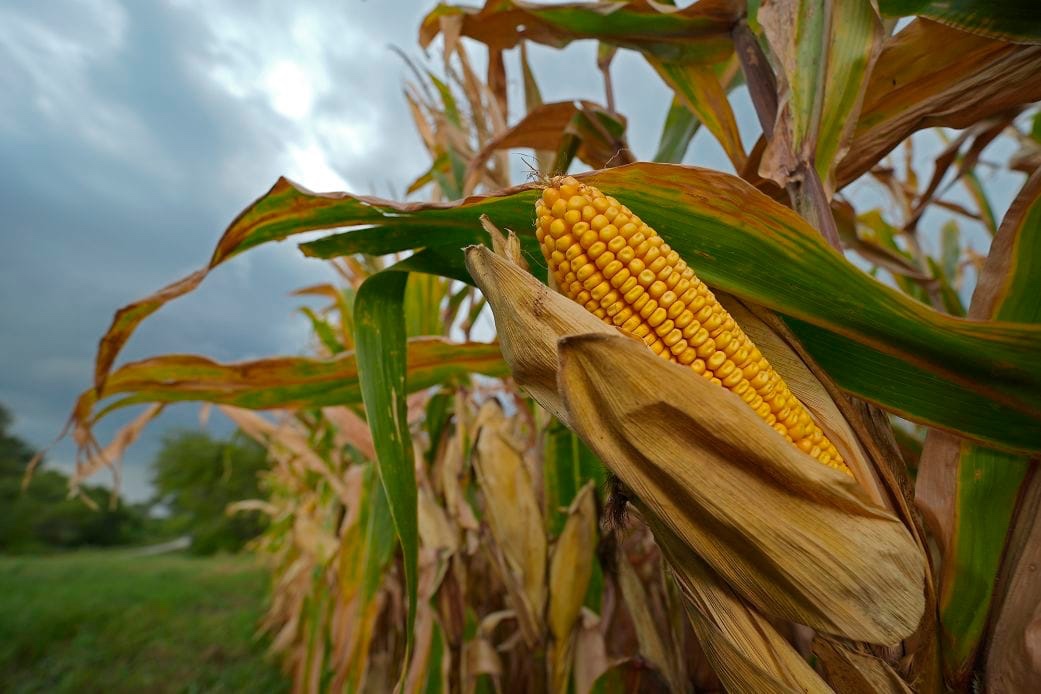
Speaking during Mashujaa Day celebrations at Kipchoge Keino Stadium in Eldoret on Tuesday, October 20, Ruto said maize production had increased from 34.3 million bags in 2022 to 71 million bags in 2025.
He attributed the rise partly to agricultural reforms, including the subsidised fertiliser programme.
“Maize production has increased from 34.3 million bags in 2022 to 71 million bags in the year 2025,” the President said.
Ruto also said maize imports had fallen from 9.9 million bags to 3.3 million bags over the same period, which he presented as an indication that domestic production had reduced Kenya’s reliance on imported grain.
The Ministry of Agriculture has reported the same production figures. In an October 8 update, it said the government had subsidised more than 38 million bags of fertiliser since 2022, cutting the price from KSh7,500 to KSh2,000 per bag.
The reported increase comes as the government responds to a different supply outlook for 2026.
In August, it announced plans to facilitate the importation of up to 25 million 90-kilogramme bags of maize to cover an anticipated deficit attributed to drought and reduced production in some major maize-growing areas.
It was reported on August 19 that the imports were intended to prevent shortages and stabilise supplies.
Agriculture and Livestock Development Cabinet Secretary Mutahi Kagwe said arrangements had been made to facilitate the imports.
The import plan does not by itself contradict the reported 2025 harvest. The 71-million-bag figure concerns production in the previous year, while the proposed imports are intended to address an expected shortfall in 2026.
The differing figures nevertheless underscore the volatility of Kenya’s food supply.
Maize production is affected by rainfall, drought, access to farm inputs and conditions in major growing regions. The crop is also a staple for millions of households, making supply levels and prices a significant concern for consumers.
The government has identified irrigation, subsidised inputs and improved agricultural infrastructure as measures aimed at increasing domestic production and reducing exposure to weather-related disruptions.
For farmers, the balance between local harvests and imports can influence market demand, prices and returns. For consumers, the immediate concern is whether the country can maintain adequate supplies while keeping maize flour affordable.