Every October 20, Kenya sets aside a national holiday to reflect on its past and the sacrifices that shaped the country’s journey to independence.
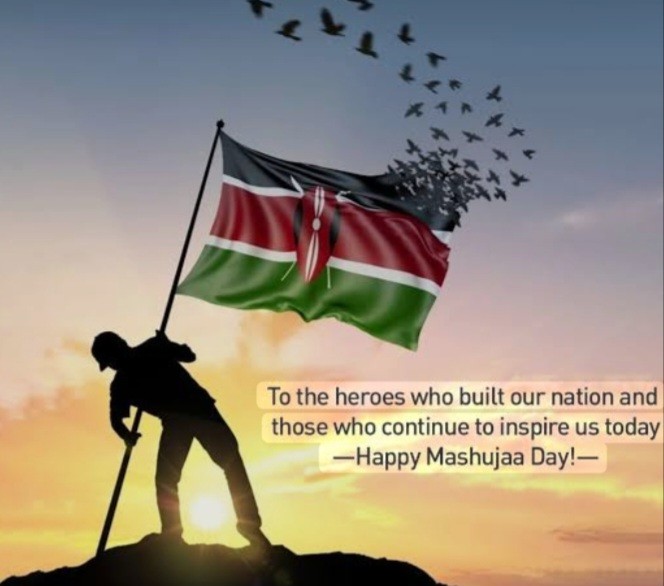
Known today as Mashujaa Day, the occasion has its roots in the colonial struggle and has evolved into a broader celebration of the country’s history and national identity.
The date carries historical significance because it was on October 20, 1952, that the colonial administration declared a state of emergency in Kenya as it moved to suppress the Mau Mau uprising.
The emergency marked a turning point in the struggle against British rule, leading to mass arrests, detention and intensified military operations against those involved in the independence movement.
Among those arrested during the crackdown was Jomo Kenyatta, alongside five other nationalists commonly remembered as the Kapenguria Six.
The six were Jomo Kenyatta, Bildad Kaggia, Achieng Oneko, Kungu Karumba, Paul Ngei and Fred Kubai.
They were arrested in October 1952 and later tried at Kapenguria in what became one of the most prominent cases associated with the colonial government's campaign against the independence movement.
The authorities accused them of involvement with the Mau Mau movement, an allegation they contested. Their trial and imprisonment became significant episodes in Kenya’s wider struggle for self-rule.
The Kapenguria Six came to symbolise the political repression faced by Kenyan nationalists during the state of emergency. Their detention also highlighted the growing confrontation between the colonial administration and those demanding an end to British rule.
For many years after independence, October 20 was observed as Kenyatta Day, in honour of Kenya’s founding President. The holiday reflected the central place Kenyatta held in the country's independence history.
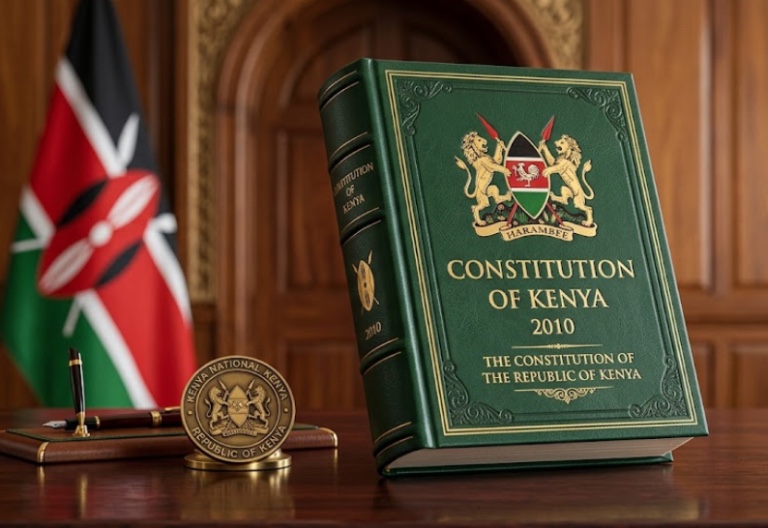
That changed with the promulgation of the Constitution of Kenya in August 2010. The new Constitution established Mashujaa Day as one of the country's three national days, alongside Madaraka Day on June 1 and Jamhuri Day on December 12.
The change from Kenyatta Day to Mashujaa Day broadened the meaning of the holiday beyond one individual, creating space to recognise contributions to Kenya from different communities and fields.
The Swahili word mashujaa means heroes. The day therefore reflects a wider understanding of national service, linking the struggle for independence with the work of building and developing the country after colonial rule.
The history behind the date also reflects the cost of the independence struggle. The declaration of the state of emergency brought arrests, restrictions, displacement and violence, while thousands of Kenyans experienced detention and other hardships during the conflict.
These events remain an important part of the country's historical memory and continue to shape discussions about colonialism, freedom and the sacrifices made for self-rule.
Today, Mashujaa Day is marked through national celebrations, speeches, cultural performances and public reflection. The annual event also provides an opportunity to revisit the country's history and consider how the ideals of freedom, dignity and national unity can be carried forward.
Its significance lies not only in remembering the events of 1952, but also in recognising how Kenya's understanding of national identity has developed over time.
From its origins in the colonial emergency to its current place in the Constitution, October 20 has become a day through which Kenya remembers its past while reflecting on the values that should guide its future.