President William Ruto has proposed exempting workers earning KSh 32,333 or less per month from Pay-As-You-Earn (PAYE) tax and expanding the National Internship Programme by 50,000 places from January 2027, announcing four measures targeting household expenses, property ownership and youth unemployment.
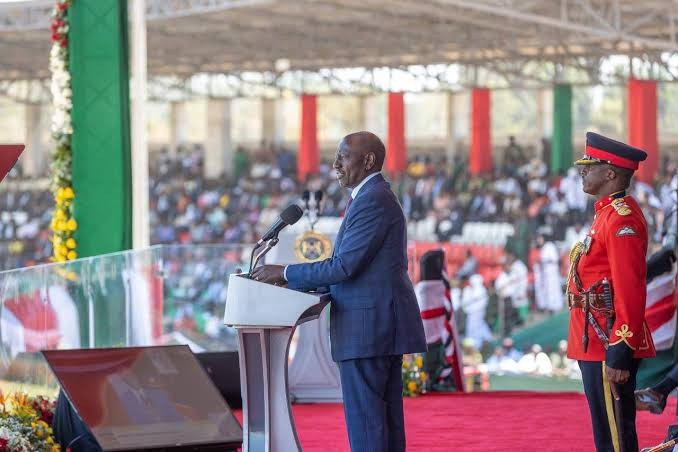
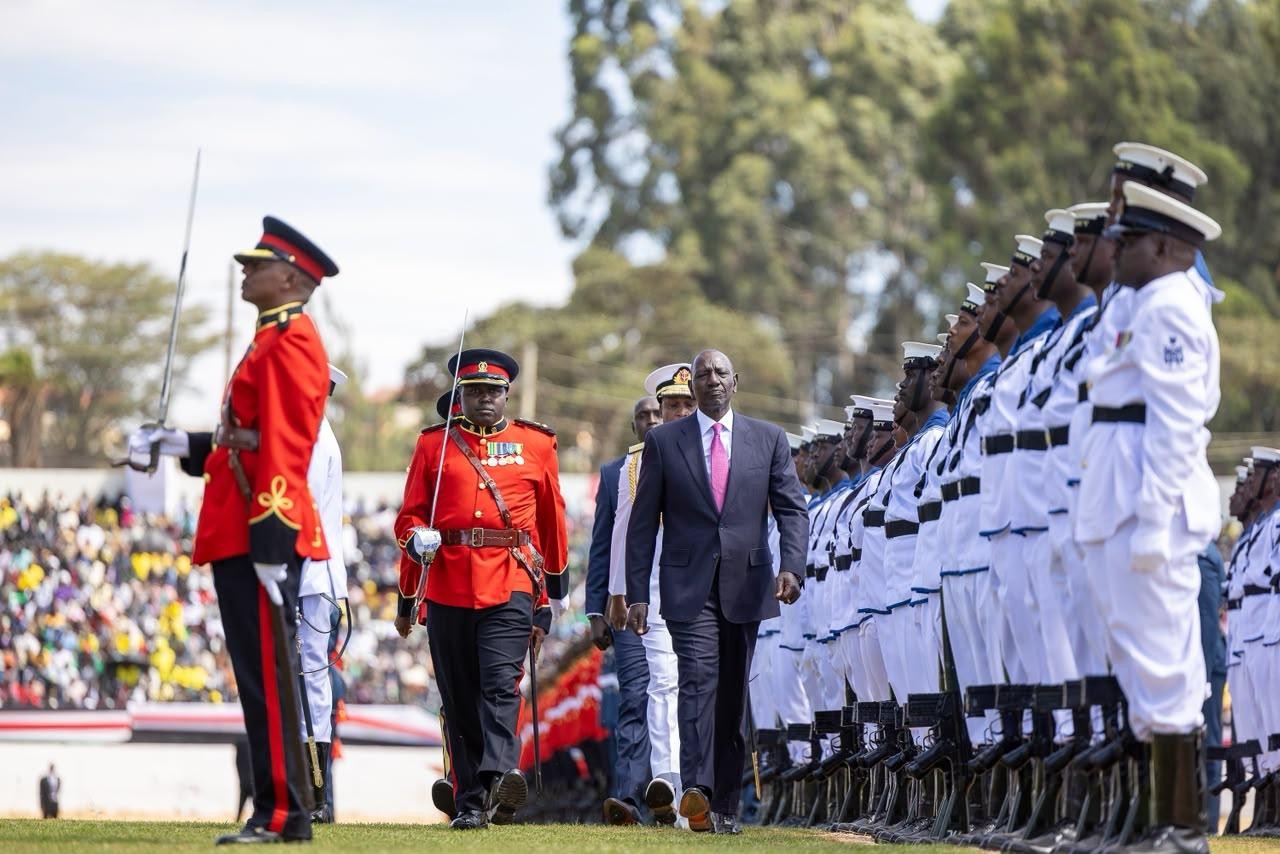
Speaking during Mashujaa Day celebrations at Kipchoge Keino Stadium in Eldoret on Tuesday, October 20, Ruto said he had directed the National Treasury to present the proposals to Parliament the following week.
The package also includes exempting land transactions valued at KSh 1 million or less from stamp duty and removing the 25 per cent import duty on mobile phones, subject to the necessary legal and regional customs processes.
“These measures address four barriers that Kenyans confront every day: the burden of taxation on modest incomes, the cost of acquiring property, the expense of accessing digital opportunities, and the difficulty of entering the labour market,” Ruto said.
The proposed PAYE exemption would leave eligible workers with more money to meet household expenses, including food, transport and school fees.
“For workers on modest incomes, every shilling saved means more money for food, transport, school expenses and the needs of their families,” the President said.
On property ownership, Ruto said the National Treasury had developed proposals to exempt land transactions worth KSh 1 million or less from stamp duty while introducing progressive rates for higher-value transactions.
He said the changes would help reduce the cost of acquiring and transferring land, particularly for Kenyans with lower incomes.
The proposed removal of the 25 per cent import duty on mobile phones is intended to make digital devices more affordable and widen access to online learning, financial services and employment opportunities.
“As we all know, a mobile phone is no longer a luxury: it is a classroom, a marketplace, a bank and an office for many young Kenyans, a gateway to employment,” Ruto said.
The fourth measure targets graduates struggling to secure their first jobs. From January 2027, the government plans to accommodate an additional 50,000 young people in the National Internship Programme, with monthly stipends for participants.
The President said placements would be conducted through a transparent, digital and merit-based system, alongside incentives for private employers to provide meaningful work experience.
“Too many young people cannot secure employment without experience, yet cannot gain experience without employment,” he said.
Ruto acknowledged that more work was needed to improve livelihoods, despite the progress his administration says it has made over the past four years.
“Progress must never become an excuse for complacency,” he said, adding that leadership should be measured by the willingness to respond to citizens’ demands.
The announcements also formed part of Ruto’s broader defence of his administration’s economic agenda ahead of the 2027 General Election. He challenged political opponents to present alternative policies on employment, healthcare, housing and agriculture rather than rely on personal attacks and ethnic mobilisation.
“No government program is above criticism. No leader is beyond accountability,” he said.
The four measures are proposals rather than implemented changes. Their implementation will depend on the necessary legislative, fiscal and administrative processes, with Ruto saying the National Treasury would submit them to Parliament the following week.