Kenya's exporters face growing uncertainty as governments introduce more trade-related restrictions, raising the risk of higher costs and tougher market access for businesses selling goods internationally.
The World Trade Organisation (WTO) recorded 1,048 new trade-related measures globally during the first half of 2026, reflecting an acceleration in trade policy activity amid geopolitical tensions and changing economic priorities.
Of these, 333 were restrictive or other non-facilitating measures, exceeding the 300 recorded during the whole of 2025. However, the WTO also recorded 466 trade-facilitating measures during the same six-month period, showing that the global picture includes both restrictions and efforts to keep trade flowing.
The increase in restrictive measures could affect Kenyan exporters operating in markets where governments introduce additional tariffs, import controls, technical standards or other requirements.
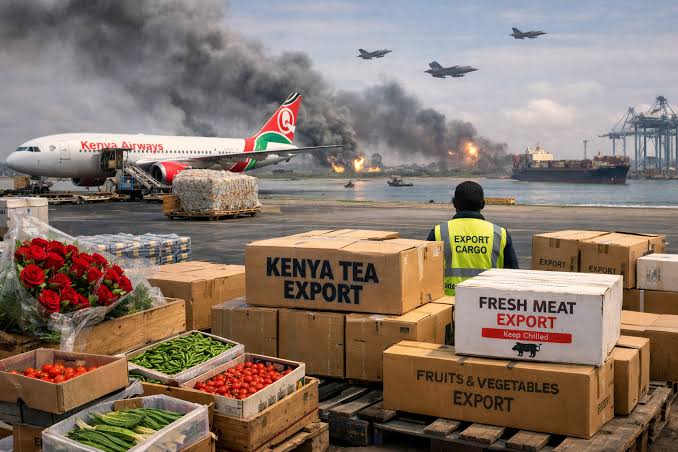
Tea, coffee, flowers and horticultural produce are among the country's important export products, with their international competitiveness dependent on predictable access to overseas markets, reliable logistics and manageable compliance costs.
For agricultural exporters, additional border requirements or changes in import regulations can increase documentation expenses, delay shipments and raise the cost of meeting foreign market standards.
The pressure could also extend to manufacturers and businesses that rely on imported machinery, petroleum products and industrial inputs. Trade restrictions affecting suppliers or transport routes can increase procurement costs and disrupt production.
Kenya's exposure is significant because the country imports considerably more merchandise than it exports.
According to the Kenya National Bureau of Statistics' 2026 Economic Survey, merchandise imports reached KSh2.77 trillion in 2025, compared with total exports of approximately KSh1.12 trillion. The resulting trade deficit stood at KSh1.65 trillion.
The WTO said restrictive import-related measures introduced in the first half of 2026 covered approximately US$2 trillion in global imports, while restrictive export-related measures covered US$794 billion in exports.
The organisation also reported that the accumulated stock of import-related restrictive measures introduced since 2009 and still in force covered 21.3% of world imports by June 2026.
For Kenya, the figures underline the importance of diversifying export destinations, strengthening regional trade and improving the competitiveness of locally produced goods.
However, the WTO data does not mean that all 333 new restrictive measures directly target Kenyan products. Their actual impact will depend on the countries introducing them, the products covered and Kenya's trading relationships with those markets.
The challenge for exporters will be navigating an increasingly complicated international trading environment while maintaining prices, quality and reliable delivery.