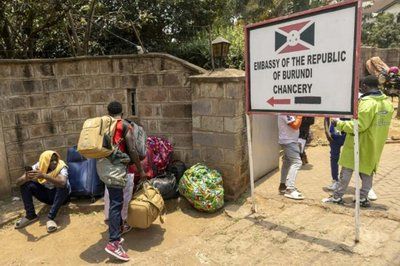
The Police Reforms Working Group Kenya (PRWG-K) has issued a stern warning regarding the enforcement of a government directive aimed at small-scale retail and hawking businesses operated by foreign nationals. The group cautions that such measures could potentially lead to increased harassment, xenophobia, and regional tensions. In a detailed statement, PRWG-K highlighted that enforcement actions, which commenced on September 7, 2026, have reportedly resulted in incidents of intimidation, profiling, extortion, and harassment of foreign nationals, with a particular focus on traders from East African Community countries such as Burundi and the Democratic Republic of Congo.
The group expressed grave concerns over reports of arbitrary arrests, confiscation of property, and excessive use of force by law enforcement officers, actions they argue are in direct violation of constitutional standards. PRWG-K has called for all enforcement agencies to adhere strictly to due process, emphasizing the importance of upholding the rule of law and protecting the rights of all individuals, regardless of nationality.
Furthermore, PRWG-K warned that the crackdown could potentially undermine Kenya’s commitments under the East African Community Common Market Protocol. This protocol facilitates the free movement of people, workers, goods, and services, and guarantees the rights of establishment and residence for citizens of partner states. The group stressed that any actions perceived as hostile towards foreign traders could damage Kenya's reputation as a regional leader in promoting integration and cooperation.
In addition to these concerns, PRWG-K urged the public to refrain from engaging in vigilantism, xenophobic attacks, destruction of property, and other forms of harassment against foreign traders. The organisation is advocating for the suspension of what it describes as non-statutory enforcement measures, proposing instead a structured policy dialogue involving relevant government ministries and trade associations. They argue that any changes to small-scale trade regulations should be subjected to public participation, research-backed impact assessments, and the appropriate legislative processes to ensure fairness and transparency.
PRWG-K has committed to collaborating with human rights organisations to document and report any alleged cases of abuse, extortion, or torture resulting from the enforcement operations. The group has called on both the government and the public to safeguard peaceful coexistence and address concerns over competition in the small-scale business sector through lawful and institutional channels. By doing so, they hope to maintain harmony and uphold the principles of justice and equality within the region.