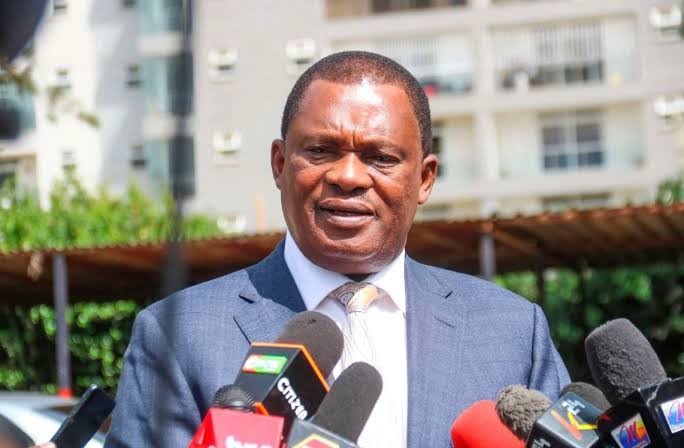
Democratic Party leader Justin Muturi has criticised Parliament’s handling of proposed changes to election laws ahead of the 2027 General Election, insisting that court directions on livestreaming election results must be respected to safeguard transparency and public confidence in the electoral process.
Muturi says Kenyans deserve an electoral system in which the management and declaration of results can be scrutinised, arguing that openness is essential to protecting the integrity of the vote.
The former National Assembly Speaker maintains that the United Opposition will stand firm in defending voters’ rights, warning against any changes to election laws that could undermine transparency or weaken public confidence in the outcome of the 2027 polls.
The criticism comes amid controversy over the Elections (Amendment) (No. 2) Bill, 2024, which was passed by the National Assembly on October 22. The proposed changes triggered concerns over whether the legal requirement for the Independent Electoral and Boundaries Commission (IEBC) to livestream presidential election results announced at polling stations would remain in place.
However, the State Department for Parliamentary Affairs has clarified that the National Assembly removed the clause proposing changes to Section 39 of the Elections Act, retaining the existing livestreaming requirement. The Bill is expected to return to the Senate for consideration of the National Assembly’s amendments.
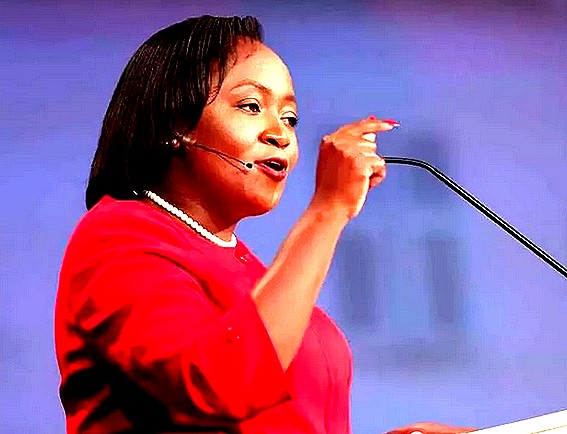
Meanwhile, Democratic Party Deputy Party Leader Jane Mbuthia has challenged Democracy for the Citizens Party (DCP) Deputy Party Leader Cleopas Malala over his remarks on possible opposition leadership arrangements ahead of the 2027 elections.
Mbuthia told Malala to stick to his lane after he suggested that Wiper leader Kalonzo Musyoka would meet DCP leader Rigathi Gachagua to discuss the possibility of Kalonzo deputising Nairobi Senator Edwin Sifuna in a potential opposition presidential ticket.
Malala has said DCP intends to engage Kalonzo in coalition talks as opposition leaders explore the possibility of backing a joint candidate to challenge President William Ruto in 2027. He has also indicated that his party is pushing for Sifuna to lead the proposed opposition ticket.
Mbuthia, however, maintains that discussions on opposition leadership positions should be handled by the principals themselves rather than their deputies.
Her remarks highlight emerging differences over who should negotiate and determine the opposition’s leadership structure as political parties begin consultations ahead of the next General Election.
The question of who will lead a possible united opposition ticket, and who could serve as running mate, remains part of the wider political discussions as leaders consider alliances and strategies for the 2027 contest.
The two developments underscore the growing focus on both electoral safeguards and opposition coalition-building, with the livestreaming debate centred on public scrutiny of election results while political parties continue to negotiate their positions ahead of the polls.