Nine Kenyan micro and small enterprises have secured new market opportunities in Rwanda following their participation in the 26th East African Community Micro, Small and Medium Enterprises (MSMEs) Trade Fair, which concluded on Sunday, November 8.
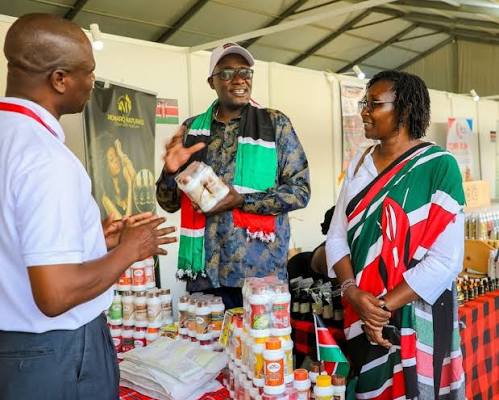
The businesses were among more than 600 Kenyan exhibitors who travelled to Kigali to showcase locally manufactured products, meet potential buyers and establish commercial partnerships with Rwandan retailers and distributors.
Several exhibitors reported selling out their stocks, receiving supply orders or entering negotiations with supermarket chains, signalling growing opportunities for Kenyan small businesses to expand beyond the domestic market.
Mukurweini Edible Oils, a Nyeri-based enterprise participating under the Kenya Jobs and Economic Transformation Project, sold its entire stock at the exhibition and received requests to supply major supermarkets in Rwanda.
Mamloo Foods, a peanut butter manufacturer from Busia, entered advanced negotiations to supply five supermarket chains, potentially giving the business access to a wider consumer market.
Yatta Juice, produced by a Machakos cooperative society operating through a Constituency Industrial Development Centre, also sold out its initial stock and received enquiries from Rwandan customers and distributors.
Other businesses reporting progress included NYOTA Kuku Ranch from Baringo, which was close to selling out its products amid strong demand, and Torochan Cereals from Kericho, which received supply orders.
Techwin Machines, a Nairobi-based manufacturer, secured direct orders for machinery, while Ankole Leather from Meru was invited to supply retail outlets in Rwanda.
The Micro and Small Enterprises Authority (MSEA) Director General, Henry Rithaa, said the participating businesses were already converting exhibition opportunities into commercial deals.
MSEA said it was supporting the enterprises with logistics and coordination, including transport arrangements and assistance with Kenya Bureau of Standards compliance, to help businesses fulfil orders secured during the fair.
Kenya's participation was led by the State Department for MSME Development, working with agencies including MSEA, Kenya Industrial Estates, the Kenya Bureau of Standards, the Women Enterprise Fund and the Kenya National Chamber of Commerce and Industry.
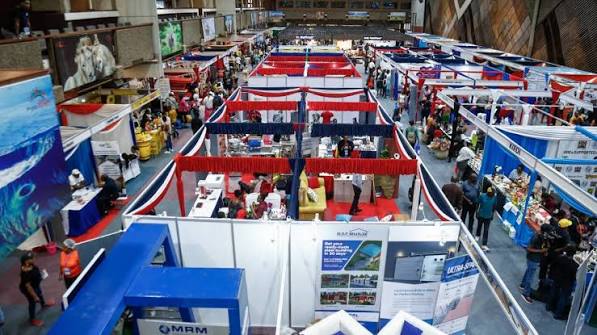
The trade fair, held at the Gikondo Expo Ground from October 30 to November 8, brought together more than 1,200 enterprises from the eight EAC Partner States. This year's theme focused on advancing regional value chains in leather and horticulture.
The opportunities come as Kenya seeks to deepen commercial ties with Rwanda. Kenyan exports to the country exceeded US$398 million in 2025, according to figures cited by the State Department for MSME Development during the trade fair.
However, converting exhibition sales into lasting export businesses will require more than access to buyers. Small enterprises must maintain consistent production, meet destination-market standards, manage transport costs and secure financing to fulfil larger orders.
The East African Community has also identified high cross-border trade costs, limited access to affordable finance and non-tariff barriers as challenges facing regional businesses.
For the nine Kenyan enterprises, the Kigali exhibition has provided an entry point into a neighbouring market. The next test will be turning initial orders and negotiations into regular supply contracts that can support business expansion and employment at home.