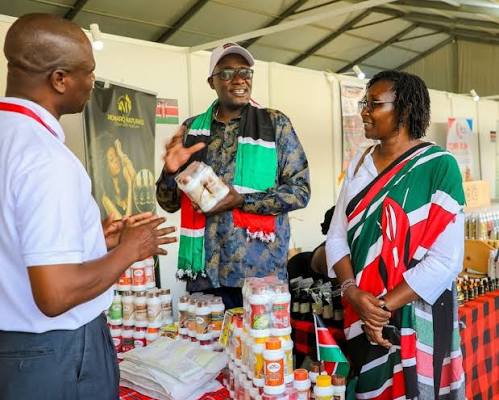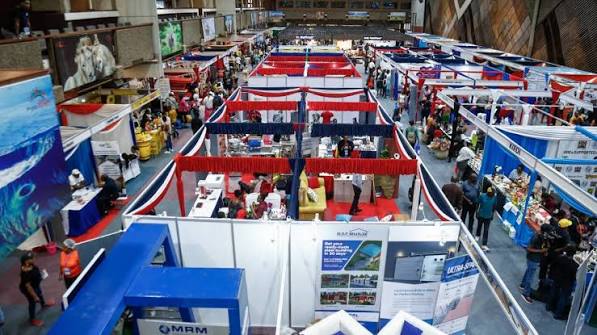
Kenya’s five-day Changamka Shopping Festival ended on Saturday, November 7, after bringing together more than 400 exhibitors at the Kenyatta International Convention Centre (KICC) in Nairobi, as manufacturers renewed calls for reforms to make locally produced goods more competitive.
The festival, held alongside the fourth Kenya Industrialisation Summit, provided a platform for manufacturers, small businesses and entrepreneurs to display Kenyan-made products, engage consumers and establish connections with potential buyers and distributors.
Organised by the Kenya Association of Manufacturers (KAM) in partnership with the Ministry of Investments, Trade and Industry, the event ran from November 3 to 7 under the Buy Kenya, Build Kenya campaign.
While the exhibition showcased the range of products being manufactured locally, discussions at the industrialisation summit highlighted the financial and regulatory challenges facing businesses seeking to expand production.
Manufacturers called for more predictable tax policies, harmonised regulations and lower operating costs, arguing that overlapping charges and frequent policy changes make it difficult for businesses to plan investments and compete with imported products.
KAM also pushed for faster payment of Value Added Tax refunds, proposing that monthly payouts be increased to KSh5 billion. The manufacturers' lobby further called for stronger export incentives, including extending benefits beyond Export Processing Zones and providing full excise duty rebates on inputs used in export production.
The demands underline the gap between Kenya's ambition to expand manufacturing and the conditions businesses face when producing goods locally.
President William Ruto used the gathering to reiterate plans to establish an Industrialisation Fund offering manufacturers loans at single-digit interest rates. The government said it was in the final stages of setting up the facility, which is expected to help businesses access longer-term financing for expansion and investment in technology.
The President also highlighted the growth of Special Economic Zones, which are intended to attract investment through dedicated industrial infrastructure and incentives. However, manufacturers continue to seek a more coordinated regulatory environment to make such investment locations easier to operate in.
The exhibition also demonstrated how manufacturing can create opportunities beyond large factories. Kifaru Steel, for instance, said its operations support a network of more than 300 small and medium-sized enterprises involved in producing fencing products. The company also pledged to donate five chain-link manufacturing machines to young entrepreneurs.
Kenya's industrialisation agenda carries significant employment and investment implications. The government has set a target of increasing manufacturing's contribution to gross domestic product to 20 per cent by 2030 and creating one million formal industrial jobs.
However, the conclusion of the summit and festival does not itself guarantee new investment or policy changes. The impact will depend on whether the government follows through on financing proposals, tax reforms and regulatory improvements, while manufacturers turn the visibility and business connections gained at Changamka into sustained sales.
For consumers, the campaign's success will ultimately depend on whether Kenyan-made products can consistently compete on price, quality and availability against imports.