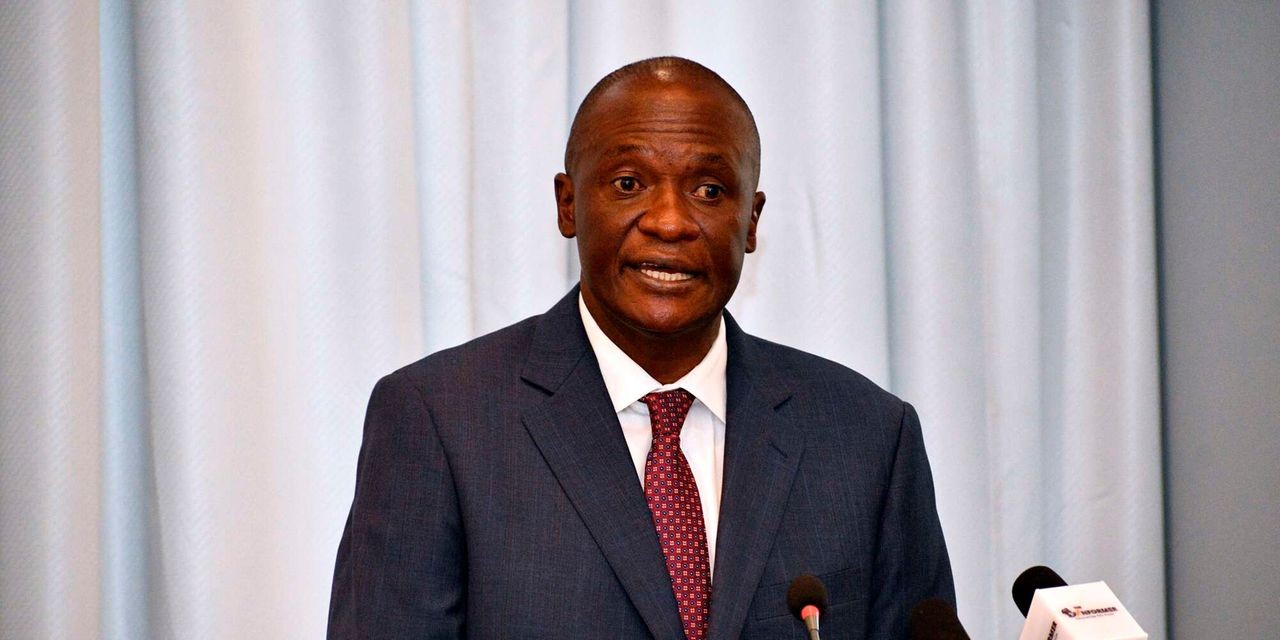
The National Cohesion and Integration Commission (NCIC) has summoned two Members of Parliament, Kimilili MP Didmus Wekesa Barasa and Turkana South MP John Ariko Namoit, over public utterances made in their respective constituencies. This move comes as part of the commission's ongoing efforts to address and mitigate instances of hate speech and promote national unity across the country. The summons, dated September 22, 2026, require the two lawmakers to appear before the commission on September 29 for inquiries into the statements under investigation.
NCIC summons MPs over hate speech
Didmus Barasa has been summoned over remarks allegedly made in Sirisia Constituency, Bungoma County, on September 19, 2026. The NCIC has directed Barasa to present himself at their offices located on the 17th floor of Britam Tower, Upper Hill, Nairobi, at 10 a.m. The summons reference several provisions of the National Cohesion and Integration Act, including sections 13, 25, 27, 28, 29, 30, 56, 59, 60, 61, 62, and 63, read together with Section 63E. These sections broadly cover the promotion of national cohesion, the prohibition of hate speech, and the mechanisms for addressing grievances related to ethnic and racial discrimination.
Meanwhile, John Namoit has been summoned over remarks allegedly made in Kaputir Location, Kapurir Ward, Turkana South Constituency, on September 2, 2026. He is scheduled to appear before the commission at 2 p.m. on the same day. The statements cited in the summons involve Namoit's concerns over livestock raids affecting communities in Turkana South. He reportedly questioned the government's response to insecurity in the region and made remarks concerning members of the Pokot community living and grazing in the area, including allegations of their involvement in livestock raids.
Details of the allegations
The NCIC is investigating these statements under its mandate to promote national cohesion and guard against negative ethnicity, racism, religious intolerance, and hate speech. This mandate is crucial in a diverse country like Kenya, where ethnic tensions can easily escalate into violence if not carefully managed. Both lawmakers will have the opportunity to respond to the allegations, present evidence, and make representations before the commission makes its determination.
Consequences of non-compliance
The NCIC has warned that failure to appear at the specified date, time, and venue could result in arrest warrants and the initiation of criminal or contempt proceedings. This underscores the seriousness with which the commission views the matter, as it seeks to uphold peace and unity in the country. The outcome of these inquiries could set a precedent for how similar cases are handled in the future, emphasizing the importance of responsible public discourse among leaders.