The National Cohesion and Integration Commission (NCIC) has identified a trust deficit as one of five major roadblocks to peaceful 2027 General Election, with dialogue, youth engagement and institutional partnerships forming part of its strategy to rebuild public confidence.
The commission is highlighting the challenge as Kenya prepares for the next electoral cycle, warning that limited trust between citizens and institutions, divisions among communities and political incitement require early intervention to prevent tensions from escalating into violence.
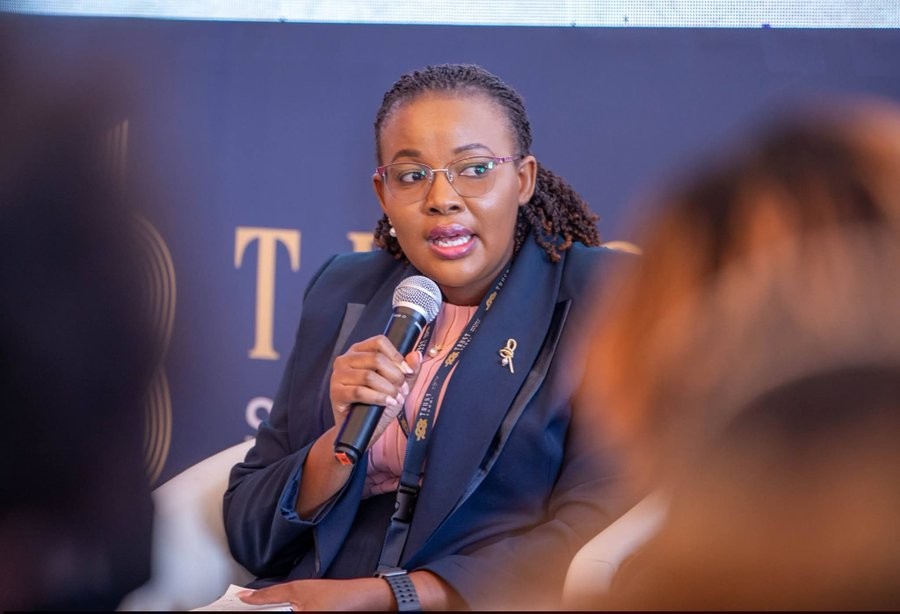
NCIC Commissioner Jerusah Mwaathime is representing Chairperson Bishop Dr Kepha N. Omae at the Trust Summit 2026, taking place at Glee Hotel in Nairobi from October 21 to 23.
Mwaathime is a panellist in the Leadership Baraza themed “Standing on Solid Ground of Democratic Values”, which examines how values-based leadership, accountability and institutional credibility influence public trust.
During the engagement, she is highlighting the link between trust and national cohesion, drawing on the commission’s Roadmap to a Violence-Free 2027 General Election, which identifies the trust deficit as one of five major obstacles to peaceful elections.
The roadmap prioritises structured dialogue, youth engagement, intergenerational conversations and partnerships between institutions as measures to rebuild confidence among citizens, public institutions and communities.
NCIC launched the second edition of the roadmap, dubbed Uchaguzi Bila Noma, on August 25, 2026, to strengthen efforts to prevent electoral violence, hate speech and political intolerance ahead of the polls.
The initiative seeks to strengthen early-warning and response mechanisms, promote responsible political leadership and improve coordination among security agencies, electoral institutions, political actors, civil society organisations and communities.
At the launch, NCIC outlined several potential drivers of electoral conflict, including political intolerance, ethnic mobilisation, misinformation and disinformation, unemployment, historical grievances and organised criminal gangs.
The commission has also proposed nationwide conflict hotspot mapping, stronger mediation structures, peace and cohesion monitoring, and engagement with political parties and candidates on responsible conduct.
On October 16, NCIC Director of Research and Knowledge Management Millicent Okatch had warned that public mistrust, political violence and online incitement remained threats to peaceful elections.
Okatch said the commission was engaging communities, institutions and young people to address these challenges before they escalated, while promoting civic education and issue-based political participation.
The focus on public trust also features in the broader agenda of the Trust Summit, which brings together government officials, civil society representatives, business leaders, academics, media practitioners and young people to examine declining confidence in institutions and identify practical ways to rebuild it.
The summit’s theme, “Weaving Trust: Binding Strands for a Stronger Global Order,” centres on accountability, institutional credibility and cooperation as foundations for more resilient societies.
For NCIC, the challenge ahead of the 2027 elections is to translate these principles into stronger relationships between citizens and institutions, while encouraging political leaders and communities to resolve differences peacefully.
The commission continues to promote integrity, fairness, inclusion and accountable leadership as essential pillars of national cohesion and peaceful coexistence.