Traders selling basic commodities across Kenya are reporting weaker demand as households cut spending amid the high cost of living, putting pressure on sales and daily earnings for small businesses dealing in essential goods.
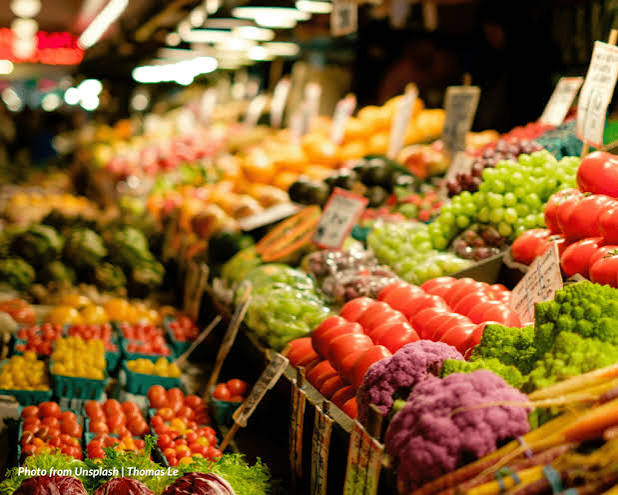
Tomato and onion vendors say customers are buying less fresh produce as they try to stretch household budgets. The decline in purchasing has affected business activity, with some traders reporting that they are selling smaller quantities than before.
For vendors who rely on daily sales to cover business and household expenses, reduced demand can quickly create financial pressure. Lower turnover may leave traders with less money to restock produce, pay transport costs and meet other operating expenses.
Fresh produce sellers also face the challenge of dealing with goods that can spoil if they remain unsold for too long. When customers purchase smaller quantities, traders may have to adjust the amount they bring to market to reduce the risk of losses.
The situation highlights the link between household purchasing power and the performance of small retail businesses. Even when consumers continue buying essential goods, changes in the amount they can afford may affect the volume of sales made by vendors.
Traders say easing the cost of living and improving consumers’ purchasing power would help revive demand. They are calling for measures that make essential goods and other household expenses more affordable, allowing consumers to spend more consistently.
For small businesses, stronger demand could help stabilise daily earnings and support more predictable restocking. However, vendors remain exposed to changes in household budgets and the costs associated with purchasing and transporting fresh produce.
The effects of weaker demand can extend beyond individual stalls, affecting suppliers and other businesses involved in moving produce from farms to markets. When vendors reduce their purchases, the impact can spread through the supply chain.
The traders’ concerns underscore the pressures facing businesses that depend on frequent, low-value purchases from consumers. Their recovery will depend partly on whether household budgets improve and customers regain the ability to buy goods in the quantities they need.
Until then, vendors may continue adjusting their purchases and sales to match demand, while seeking broader economic measures that could ease pressure on consumers and support business activity.