Only 51 per cent of patients seeking treatment at Level Two and Level Three hospitals and dispensaries have access to essential medicines, forcing many to turn to private chemists, where they often pay more for drugs.
The shortage has raised concerns about access to affordable healthcare, even as the Kenya Medical Supplies Authority (KEMSA) reports an improvement in its medical supplies refill rate to 92 per cent.
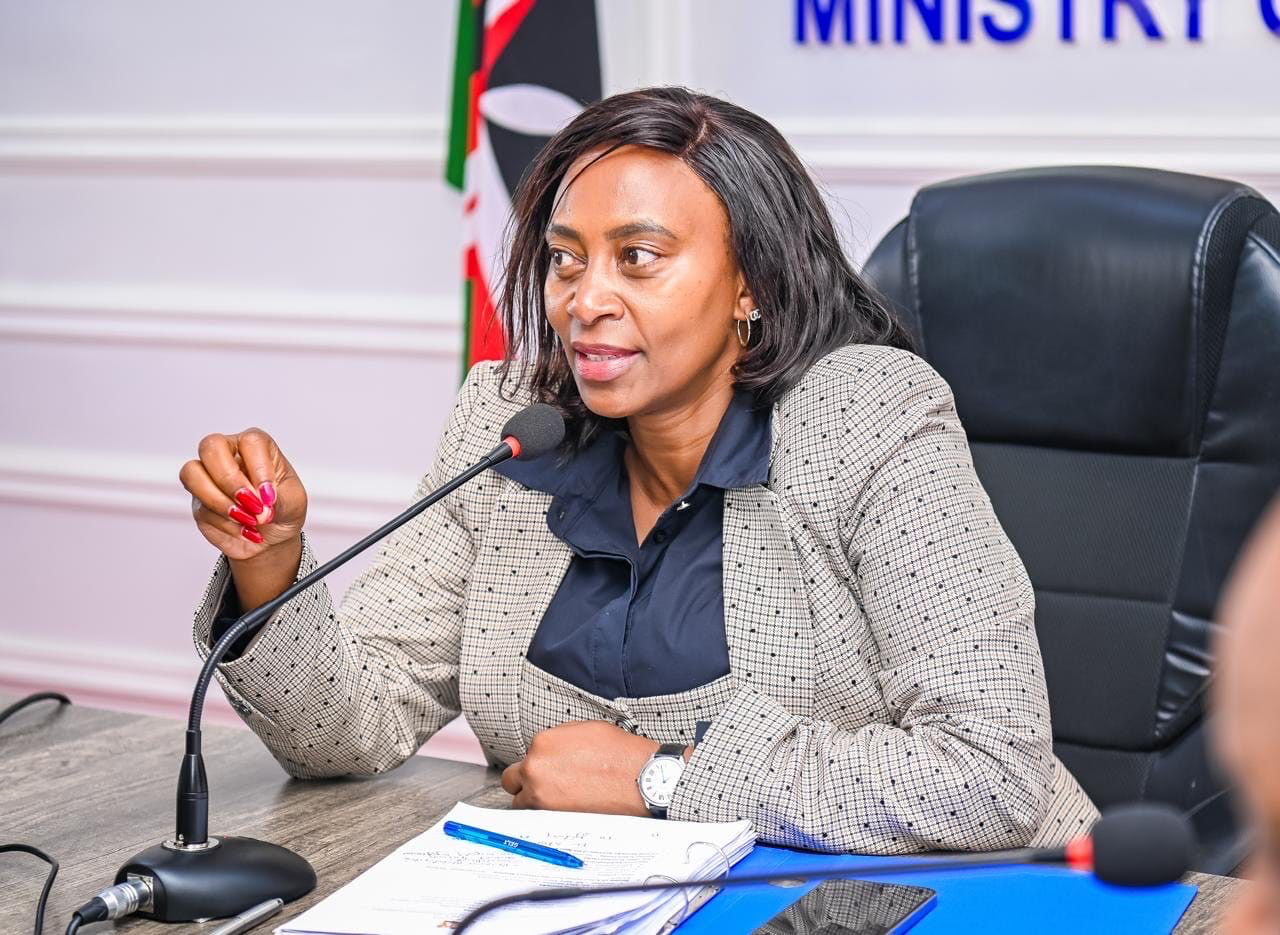
Principal Secretary for Medical Supplies Dr Ouma Oluga said the gap between the supply of medicines to health facilities and patients' access to the drugs remained a major challenge.He noted that patients in lower-level health facilities continued to face difficulties accessing essential medicines despite improvements in the supply chain.
The situation has also raised concerns about possible collusion between some pharmacists and private chemists operating near hospitals. Such practices are suspected of contributing to the diversion of medicines and forcing patients to buy drugs from private outlets.
Speaking in Naivasha during the KEMSA National and County Referral Hospitals Conference, Oluga said ongoing reforms at the agency were aimed at addressing past cases of corruption and improving the delivery of medical supplies to health facilities.He said the reforms were intended to strengthen accountability, improve efficiency and ensure that essential medicines reached the patients who needed them.
Oluga added that a new legal framework now allows individual hospitals to engage KEMSA directly for timely medical supplies. The move is expected to help health facilities respond more quickly to shortages and improve the availability of essential medicines.
The government is also promoting local manufacturing of medical products to reduce dependence on imports, improve the availability of supplies and protect the country from disruptions in global supply chains.
According to Oluga, the reforms have already contributed to a reduction of up to seven per cent in the cost of some medicines.He said KEMSA was consolidating its supply chain systems to reduce costs and improve the delivery of medicines to hospitals.
“Despite KEMSA's medical supplies refill rate hitting 92 per cent, only 51 per cent of patients have access to essential medicines, especially at Level Two and Level Three hospitals and dispensaries,” said Oluga.
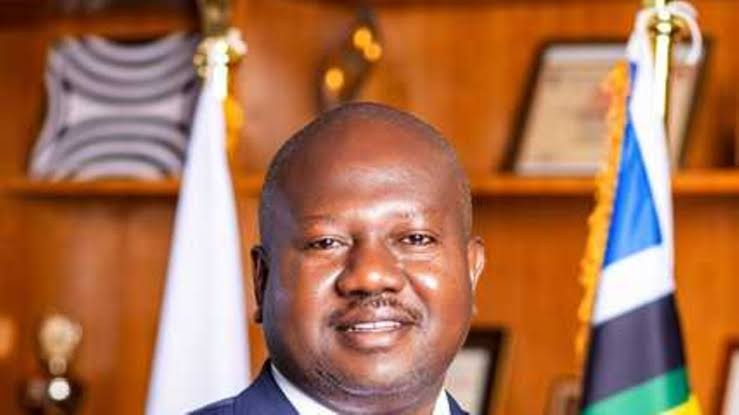
KEMSA Chief Executive Officer Dr Waqo Dulache said the agency was strengthening its supply chain systems and adopting modern technology to improve the stocking of medicines in health facilities.
Dulache said the reforms were also focused on improving inventory management, strengthening product traceability and making the supply of medicines more predictable.He noted that better tracking systems would help the agency monitor medical products from the point of supply to their delivery at health facilities.
The measures are expected to improve planning, reduce supply disruptions and ensure hospitals receive the medicines they require.