A mother from Jomvu, Mombasa County, has been detained by police for allegedly preventing her child from sitting the 2026 national assessments after objecting to the examination index number assigned to the learner.
The woman reportedly raised concerns over the number 666, which had been allocated to her child, claiming it was associated with the devil.
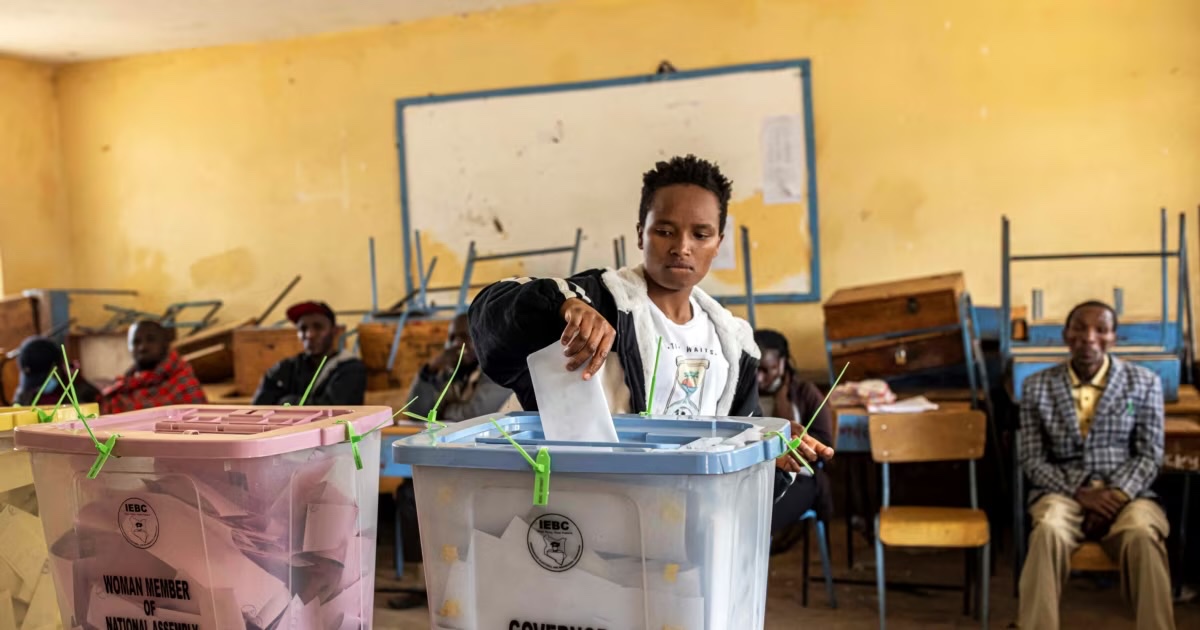
The incident has sparked attention as thousands of learners across the country continue with the second day of the Kenya Primary School Education Assessment (KPSEA) and the Kenya Junior School Education Assessment (KJSEA).
The assessments are administered by the Kenya National Examinations Council (KNEC) as part of the country’s education system, helping evaluate learners’ progress under the Competency-Based Curriculum.
On Tuesday, Grade 6 learners are sitting Integrated Science and Kiswahili papers, while Junior Secondary learners are taking Kiswahili Lugha and Kiswahili Insha na Utangulizi wa Fasihi.
The examinations are part of the national assessment process that determines learners’ progress as they transition through the education system.
The Jomvu incident highlights how personal beliefs and concerns over examination details can potentially interfere with a learner’s access to scheduled assessments.
Examination index numbers are used to identify candidates and organise the administration and marking of national assessments.
However, the number assigned to a candidate does not determine their academic ability or examination performance.
The number 666 has religious and cultural associations in some communities, where it is commonly linked to biblical references to the devil. Such interpretations, however, do not change the administrative purpose of examination index numbers.
The reported incident also raises questions about the importance of ensuring that learners are allowed to participate in examinations without unnecessary disruption, particularly during critical assessment periods.
Parents and guardians play an important role in supporting candidates by ensuring they attend examination centres on time and are adequately prepared for their papers.
The 2026 national assessments are being conducted across the country, with learners expected to follow the official examination timetable issued by KNEC.
Authorities have yet to publicly provide further details about the circumstances surrounding the Jomvu incident, including whether the child eventually managed to sit the scheduled papers.
Police have detained the mother as investigations into the matter continue.
Further details are expected as authorities establish the circumstances surrounding the alleged obstruction of the learner’s participation in the national assessments.