The Council of Governors (CoG) is seeking the support of religious leaders in a renewed nationwide campaign against illicit alcohol, as authorities intensify efforts to curb the production and distribution of illegal brews.
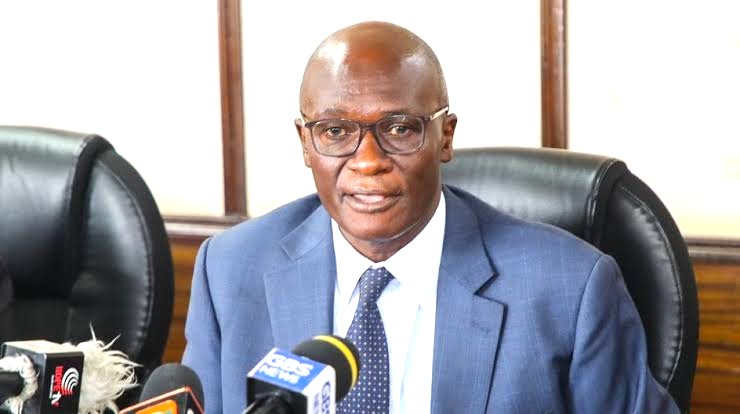
CoG Chairperson and Tharaka Nithi Governor Muthomi Njuki said the church has a critical role to play in the fight, citing its influence in shaping moral values and guiding communities.
Speaking in Meru during a meeting with clergy from the region, Njuki called on religious leaders to speak out against illicit alcohol and mobilise their congregations to support efforts aimed at eliminating the vice.
He said the church’s close relationship with communities could help raise awareness about the dangers of illicit brews, particularly among young people who are increasingly affected by alcohol-related problems.
Njuki identified the Mount Kenya region as one of the areas significantly affected by the problem, noting that the involvement of religious institutions would strengthen efforts to address the growing concern.
He argued that clergy members could help change attitudes towards illicit alcohol by using their platforms to educate the public, discourage consumption and encourage communities to report illegal brewing and distribution activities.
The governor also revealed that the Council of Governors is part of a task force led by Deputy President Kithure Kindiki, which is coordinating interventions to address the illicit alcohol problem.
According to Njuki, decisions and measures developed through the task force are expected to be implemented across Kenya’s 47 counties, with the aim of reducing the harm caused by illegal alcohol production and consumption.
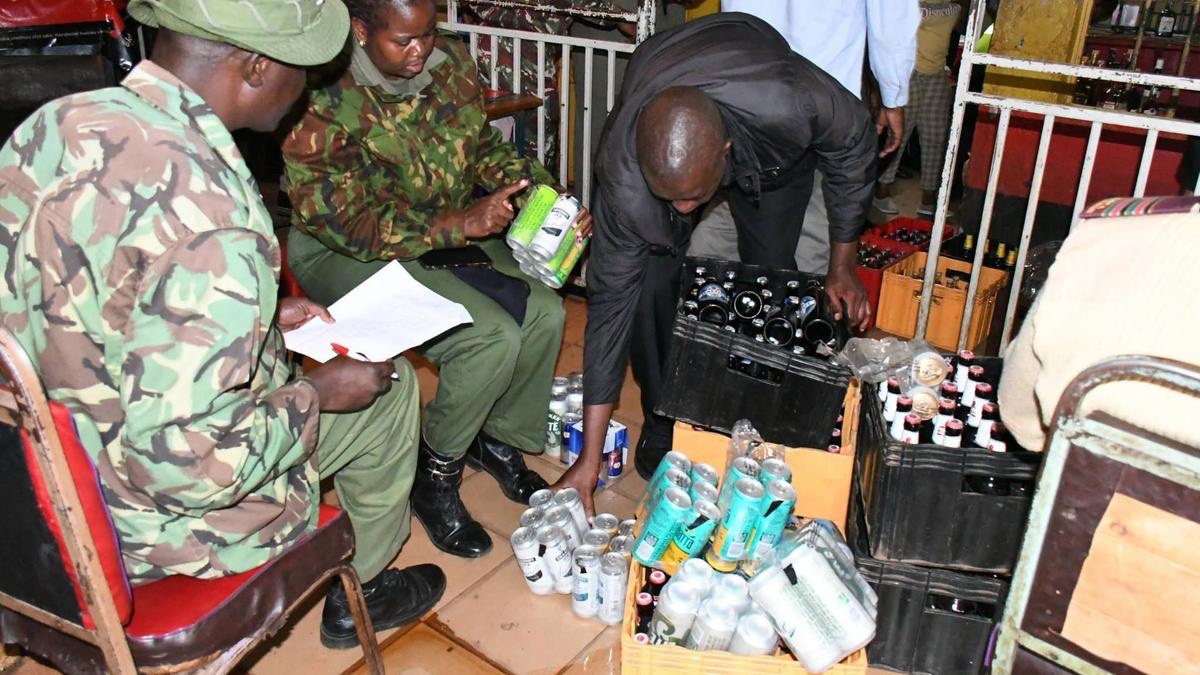
One of the immediate interventions involves targeting individuals operating unlicensed breweries, including those allegedly using residential premises to manufacture and distribute illicit alcoholic drinks.
Njuki said county governments had instructed their enforcement officers to step up operations against such establishments as part of broader efforts to disrupt illegal alcohol supply networks.
The proposed crackdown is also expected to place greater emphasis on the regulation of manufacturers and distributors through stricter licensing procedures and compliance checks.
County authorities are being urged to verify the documentation of applicants before issuing licences and ensure that businesses meet the required legal standards.
The location of alcohol manufacturing and distribution premises is another area of concern, with calls for authorities to consider their proximity to sensitive institutions, including schools and churches, when assessing licence applications.
The renewed campaign brings together county governments, national government agencies and religious institutions in an effort to tackle illicit alcohol through enforcement, regulation and community engagement.
Njuki’s appeal to the clergy underscores the role community leaders could play alongside law enforcement officers in addressing the problem, particularly through public education and cooperation with authorities.