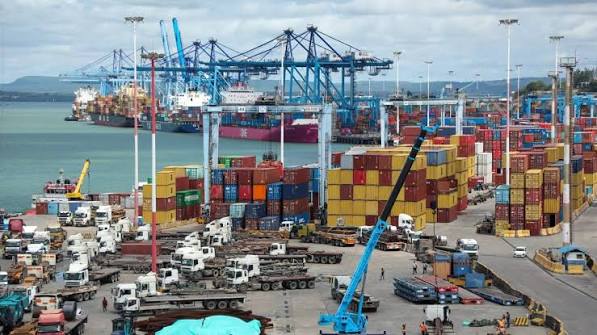
The Port of Mombasa ranked 375th out of 403 ports assessed in the 2024 World Bank Global Container Port Performance Index, highlighting persistent efficiency challenges at one of East Africa’s most important trade gateways.
The ranking deteriorated from 326th out of 348 ports in the 2022 assessment, according to the World Bank’s November 2026 Kenya Economic Update. The report said port management and operational inefficiencies were contributing to congestion, uncertainty and additional costs for businesses.
The port is the largest in the East African region, but the lender said its performance has been affected by management challenges, rent-seeking and delays in implementing improvements. It noted that the Kenya Ports Authority had five different managing directors over the previous decade, including two acting managing directors between 2020 and 2023.
Businesses using the port face multiple inspections, recurring system downtime, rising fees and demands for bribes. These challenges can delay cargo clearance and increase the cost of moving goods into and out of the country.
The Shippers Council of Eastern Africa estimated in 2025 that logistics costs at the port accounted for between 35 and 42 per cent of the total landed cost of goods. The council also raised concerns about the growing number of agencies conducting inspections, additional fees and delays linked to system interruptions.
The World Bank said Kenya also underperformed relative to regional and aspirational peers on several components of logistics performance, including customs, infrastructure and international shipments that require ports or airports.
The report contrasted Mombasa’s performance with improvements recorded at other African ports. Dakar Port in Senegal rose from 371st to 108th in the global index within two years, while Tanger-Med Port in Morocco ranked among the world’s most efficient ports.
For Kenyan businesses, delays and high transport costs can make imported inputs more expensive and reduce the competitiveness of exports. The burden can also affect consumers when additional logistics expenses are passed on through the prices of goods.
The World Bank identified better port management, fewer unnecessary inspections, more reliable systems and stronger accountability as important steps towards reducing logistics costs.
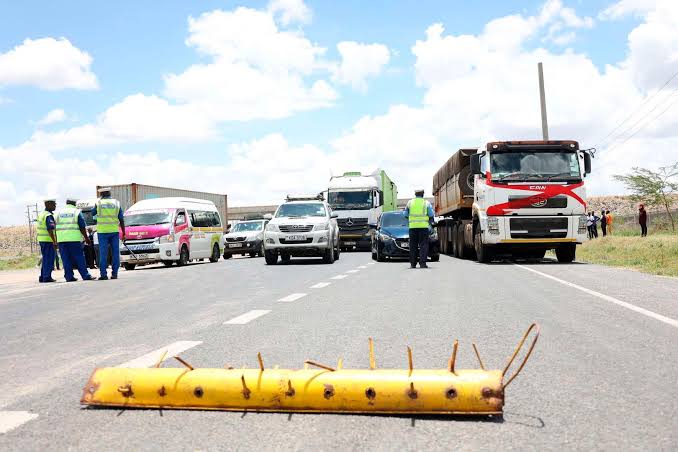
It also called for reforms to inland transport, including reducing official and unofficial checkpoints that contribute to delays along transport routes.
Improving the efficiency of Mombasa Port will be important to lowering trade costs and strengthening Kenya’s position as a regional logistics and distribution hub.